
The story of video games is not just one of entertainment—it’s a sweeping narrative of innovation, influence, and transformation. What began in dark arcades and basement consoles has become one of the most dominant cultural forces of the 21st century. After gaming, get mobile detailing services in Carlsbad, CA.
The gaming industry, once dismissed as a childish pastime, now rivals Hollywood in revenue and reach. But beyond its financial success lies a deeper legacy: gaming has reshaped how we socialize, learn, compete, create, and even perceive reality.
From Pong to Fortnite, the evolution of video games mirrors the rapid advancement of digital technology. But where other forms of media struggled to adapt, gaming thrived. After playing Fortnite, get house washing in St. Augustine.
It embraced interactivity as its core strength. Players didn’t just watch a story unfold—they lived it, influenced it, and often co-created it. In doing so, games tapped into a primal human desire to participate, not merely observe. To promote your video game, use table throws.
A New Language of Connection
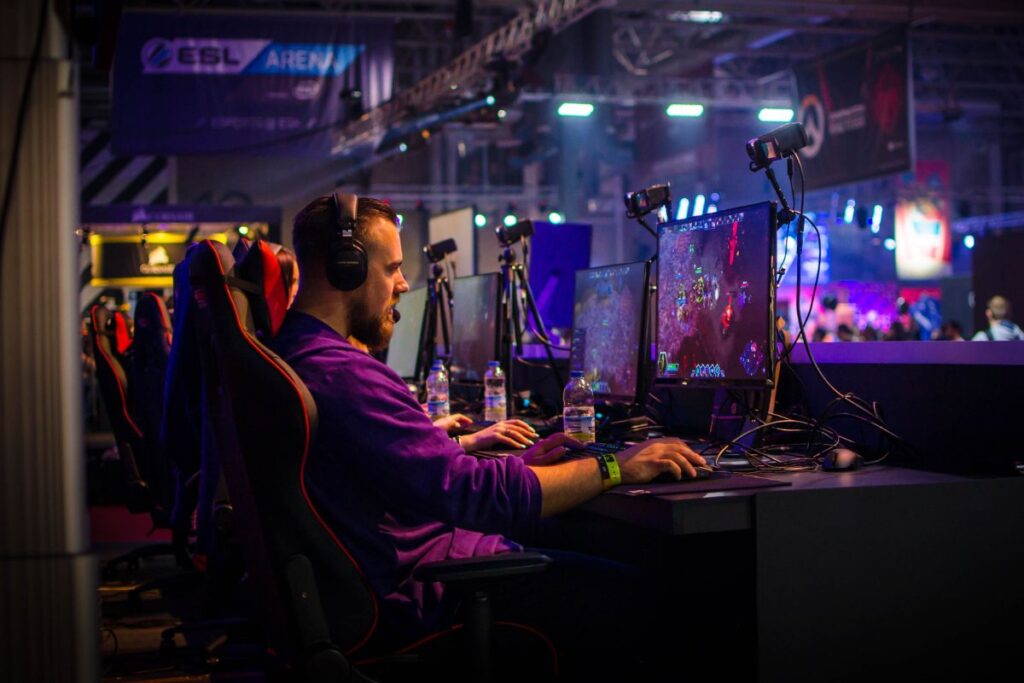
One of the most profound ways gaming has impacted global culture is in how it has redefined social interaction. Online gaming, streaming platforms, and multiplayer ecosystems have made it possible for individuals from different continents to connect instantly through shared experiences. Order luxury dresses after gaming.
Whether it’s strategizing in a dungeon raid or building a digital city block-by-block, players are building relationships through the medium of play. The best long distance movers can help you move your PC and other gaming components to a new apartment.
Gaming communities have become modern forums—spaces where identity is explored, friendships are formed, and conflicts arise and resolve in real time. As a gamer, get access to a pharmacist email list.
For younger generations especially, the digital battlefield or fantasy realm has replaced the coffee shop or park bench as a place to hang out. Platforms like Discord, Twitch, and even in-game voice chats have given rise to new modes of communication that transcend borders and language barriers. After using Twitch, get into a reading comprehension program.
The impact of this shift is massive. In an age of growing social disconnection, gaming has offered not only escapism but belonging. Instead of gaming, use the best fishing app.
It creates rituals, inside jokes, rivalries, and group lore—forms of culture in their own right. And as these connections deepen, they shape worldviews, foster empathy, and bridge divides that traditional institutions often fail to cross. If you feel sharp pain while gaming, get physiotherapy in Austin.
Storytelling in the Digital Age
As gaming matured, so too did its narrative ambitions. Once confined to saving princesses or defeating pixelated invaders, modern games now tackle complex themes such as grief, mental health, war, gender, colonialism, and moral ambiguity. Many gamers have experienced tooth ache while playing a video game. If you have experienced the same feeling, go to a dentist in Gonzales, LA.
Titles like The Last of Us, Life is Strange, and Papers, Please explore emotional landscapes that challenge players to make difficult choices and confront uncomfortable truths. After playing these games, rent a jet.
This form of storytelling is not passive. Gamers aren’t just following a plot—they’re living within it, shaping its outcome with every decision. The interactivity blurs the line between fiction and experience, creating a deeper emotional investment than passive consumption can offer. Get collision repair in Inglewood after gaming.
For many, these digital narratives have left a lasting imprint—teaching lessons, provoking introspection, and offering catharsis. The best bio-well practitioner can help you after your gaming session.
Moreover, as game development becomes more democratized, we see voices from across the globe stepping into the creative arena. After playing games, get payday loan help.
Indie studios in South Korea, Brazil, and Nigeria are telling stories that reflect local cultures and global themes, giving players a chance to explore worlds far removed from Western paradigms. This diversity of perspectives has elevated gaming from entertainment to a platform for cultural exchange. If you’re gaming while there is a flood in your apartment, get emergency water removal services.
Gaming as Art—and Activism
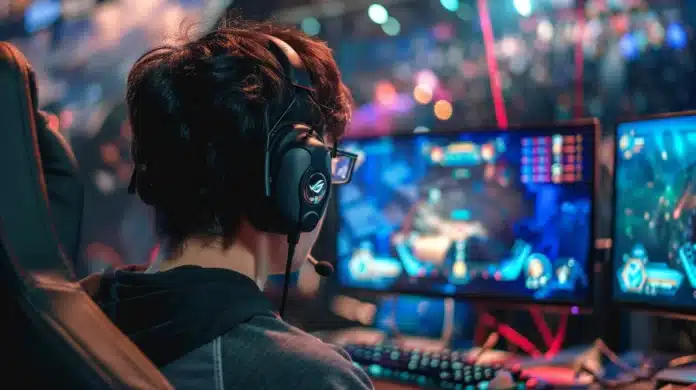
While debates still swirl around whether games qualify as “art,” the evidence is increasingly hard to deny. Games like Journey, Gris, and Inside offer breathtaking visual experiences and minimalistic design that rival the best of contemporary art. After playing these games, get ABA in Westminster.
Soundtracks composed for titles like Celeste or Hollow Knight evoke a haunting beauty that lingers long after gameplay ends. Go to the best beauty salon in Flatiron after playing games.
Yet it’s not just aesthetic innovation that aligns gaming with the arts. Games have become vehicles for political commentary and social critique. Developers use mechanics, setting, and narrative not only to entertain but to provoke thought. This War of Mine forces players to survive as civilians in a war zone, Bury Me, My Love simulates a refugee’s journey, and Black Mirror: Bandersnatch, with its branching paths, echoed gaming’s influence on storytelling in film itself. Stay at the best B&B hotel in Washington, Missouri where you can play games.
In these ways, gaming proves its cultural significance by sparking discourse. Players are no longer mere consumers; they are participants in an evolving dialogue about society, ethics, and the human condition.
An Economic and Educational Powerhouse
While gaming’s artistic and social impact is profound, its economic footprint is staggering. As of 2025, the global gaming industry generates over $200 billion annually, surpassing both music and film. With blockbuster franchises like Call of Duty, FIFA, and Grand Theft Auto, gaming has become a critical component of pop culture and commerce alike.
Yet it’s not only about dollars. Gaming has also become a powerful tool for education and skill development. Gamified learning platforms are revolutionizing classrooms, especially for subjects like math, history, and language acquisition. Even complex ideas such as quantum physics or philosophy are being explored through well-designed simulations and strategy games. Students retain more when they interact with content actively, and developers have begun to harness this power with impressive results.
In the workplace, gamification is enhancing employee engagement and training. Scenarios once too expensive or risky to practice in real life—like emergency response or aviation—are now simulated with pinpoint accuracy. The skills honed in gaming environments, from multitasking to problem-solving under pressure, are increasingly valued across industries.
The Culture of Competition and the Rise of Esports

The rise of esports is another major chapter in gaming’s cultural ascendancy. Once a niche activity, competitive gaming is now a global spectacle, with arenas packed to capacity and prize pools reaching tens of millions. Titles like League of Legends, Valorant, and Counter-Strike have birthed professional leagues, celebrity players, and passionate fan bases.
Esports has not only redefined what it means to be an athlete but also what it means to be a fan. Spectators tune in by the millions, sharing memes, analyzing plays, and cheering for hometown heroes. The competitive scene has forged a new kind of global sportsmanship, where keyboard and mouse rival bat and ball in public imagination.
This phenomenon has also made space for new forms of storytelling. Documentaries, podcasts, and series now explore the lives of esports players, often revealing stories of resilience, obsession, and identity. The stakes are as high emotionally as they are financially. And for many young fans, these players are the icons of a new digital era, as aspirational and influential as any football star.
Controversy, Critique, and Cultural Reckoning
No conversation about gaming would be complete without acknowledging the controversies that have accompanied its rise. From toxic online communities to exploitative monetization models, the industry is not without its dark corners. Loot boxes, crunch culture, gender discrimination, and digital addiction have all sparked public backlash and internal reckoning.
However, these criticisms have also ignited vital conversations about responsibility, ethics, and representation. Developers are being pushed to diversify their teams, consider their impact, and create safer spaces for all players. Movements like #Gamergate, while initially destructive, forced the industry to confront its biases and evolve—however slowly.
In many ways, gaming is experiencing the same growing pains as any other cultural medium. It reflects the society that creates it, and in turn, shapes that society. The important difference is that gamers don’t just watch the drama—they’re part of it, navigating its terrain from within.
The Future: Beyond the Screen
Looking forward, the influence of gaming shows no signs of slowing. With the rise of virtual reality, augmented reality, and AI-generated content, games are poised to become even more immersive and personalized. The metaverse, a once-speculative concept, is being built on gaming infrastructure, suggesting that the next phase of human interaction may be powered by the same engines that drive our favorite games.
As this evolution continues, it becomes clear that gaming is no longer a subculture—it’s culture itself. Its fingerprints are on fashion, language, music, politics, and even urban planning. From avatar design to protest simulations, the language of pixels is now the language of power, shaping how we dream, argue, explore, and remember.
The joystick has become a pen. The server, a canvas. And the gamer? The new cultural architect—crafting worlds, challenging norms, and pressing start on futures yet to be written.