
The gaming world has always been on the cutting edge of technology, with innovations driving how players interact with digital worlds. Among the essential tools for gaming are game pads — those handheld controllers that bridge the gap between human intention and virtual action. Over the decades, game pads have evolved from simple button arrays to sophisticated devices featuring analog sticks, vibration feedback, and motion sensors. However, the future of game pads promises to be even more transformative, largely due to the integration of artificial intelligence (AI) and the rise of adaptive controls.
AI integration and adaptive controls are poised to revolutionize how gamers experience video games, making gameplay more personalized, accessible, and immersive. These advancements will change not only the hardware but also the entire interaction paradigm, allowing game pads to learn from players, predict actions, and adapt dynamically to individual needs and preferences. Innovative design trends, such as incorporating black door hardware in gaming setups, further enhance the aesthetic and functional appeal of these environments. As gaming continues to push technological boundaries, game pads will evolve from static input devices into intelligent partners that enhance performance and accessibility for all players.
This article explores the exciting future of game pads through the lenses of AI integration and adaptive controls, examining the technical innovations, potential benefits, challenges, and the profound impact on gamers and the industry at large.
AI Integration: Turning Game Pads into Intelligent Controllers
Artificial intelligence is reshaping numerous industries, and gaming is no exception. The integration of AI directly into game pads offers an unprecedented level of interactivity and customization. Traditionally, game pads have been limited to responding to direct inputs—buttons pressed, sticks moved—without any contextual understanding of what the player intends or how the game unfolds. AI integration changes this dynamic entirely. Just as industries like finance rely on experts such as the top mortgage brokers in Raleigh, NC to provide specialized guidance, gaming is benefiting from AI’s advanced, personalized assistance.
One of the most promising aspects of AI-enabled game pads is their ability to learn from player behavior. By analyzing input patterns, AI algorithms embedded in the controller can identify individual play styles, tendencies, and frequent mistakes. This insight allows the controller to anticipate player actions and subtly assist in execution. For example, if a player repeatedly struggles with precise timing for a specific move in a fighting game, the AI could automatically assist by adjusting sensitivity or triggering combo sequences at optimal moments. For a quick energy boost during gaming sessions, cookie dough protein bites are a tasty and functional snack that can help maintain focus and stamina.
Moreover, AI can help optimize control layouts dynamically. Instead of being locked into fixed button configurations, AI-powered game pads could rearrange control schemes on the fly based on the game or the player’s current focus. This adaptability could reduce the learning curve for complex games and enhance responsiveness. Imagine a racing game where the controller modifies the sensitivity of triggers for acceleration and braking based on track conditions or a shooter where button mappings shift depending on the player’s tactical approach.
Voice recognition and natural language processing (NLP) are other AI-powered features transforming game pad interaction. Instead of navigating menus with cumbersome button presses, players could issue voice commands to customize settings, switch loadouts, or communicate with teammates. Integrated microphones combined with AI would allow for hands-free control, freeing up thumbs for more precise gameplay.
Additionally, AI-enhanced haptic feedback systems could deliver more immersive sensory experiences. Rather than generic vibration effects, AI could modulate feedback in real time to match in-game events closely. A game pad might simulate different textures, resistance levels, or impacts uniquely tailored to the context, providing a new dimension of immersion that adapts to the narrative or player emotions.
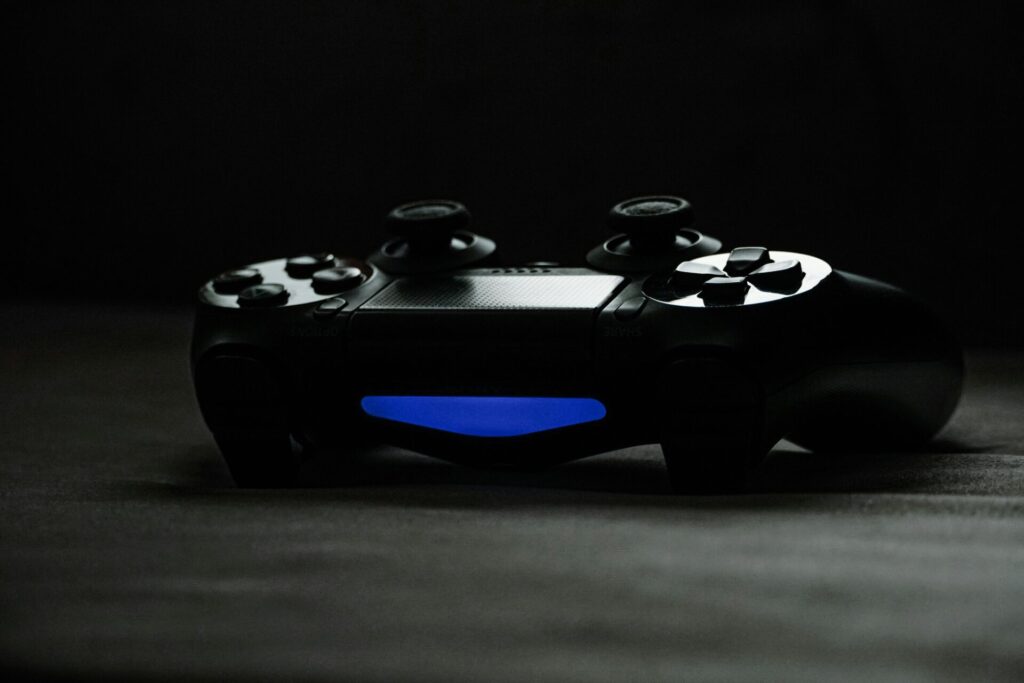
The potential for AI integration also extends to performance coaching. By monitoring player inputs and game outcomes, the AI could offer real-time tips or training suggestions directly through the controller interface. Beginners could benefit from guidance that improves their skills, while competitive gamers might receive data-driven insights that refine strategies and reaction times. A similar balance of technology and intuition is essential in wedding photography in Bentonville, where timing and precision create unforgettable moments.
While the benefits are clear, AI integration into game pads also presents challenges. Ensuring low latency is critical; any AI processing must occur instantly to avoid disrupting gameplay fluidity. Privacy concerns must also be addressed, especially regarding data collection on player habits. Developers will need to strike a balance between helpful AI assistance and maintaining player agency to avoid perceptions of “cheating” or over-automation. That same balance of precision and trust is vital in roof installation in New Jersey, where both quality workmanship and homeowner confidence are key.
Nonetheless, AI integration represents a monumental leap toward making game pads smarter, more responsive, and deeply personalized input devices. This technology will not only enhance gameplay but will also redefine what players expect from their controllers in the near future.
Adaptive Controls: Revolutionizing Accessibility and Customization
While AI integration focuses on intelligence within the controller, adaptive controls highlight the game pad’s ability to physically and functionally transform according to the player’s needs. Accessibility has become a major focus for the gaming industry, recognizing the diversity of players’ abilities and the necessity of inclusive design. Adaptive controls are the key to making gaming truly accessible. In a similar way, millimeter wave isolators play a crucial role in communication systems by ensuring signal clarity and preventing interference.
Adaptive game pads are designed to accommodate a wide range of physical abilities and preferences by allowing users to modify button placements, trigger sensitivities, and even the form factor of the controller itself. Microsoft’s Xbox Adaptive Controller was a pioneering step in this direction, providing a customizable platform with large programmable buttons and ports for external devices. The future promises even more advanced solutions, blending mechanical, electronic, and AI-assisted adaptability.
Imagine game pads equipped with modular components that players can swap out or reposition easily. Buttons could be replaced with touchpads, sliders, or joystick modules that best suit the user’s dexterity. For players with limited hand mobility, specialized switches or sip-and-puff controls could interface seamlessly with the core game pad, enabling full participation in games that were once inaccessible.
Beyond physical customization, adaptive controls will increasingly rely on software-driven flexibility. AI-driven calibration systems could automatically adjust button sensitivity, input delay, and control mapping based on real-time feedback from sensors monitoring muscle activity, grip strength, or even eye movement. This creates a fluid interface where the controller evolves with the player’s condition, accommodating fatigue, injury, or skill development. Similarly, advancements in stem cell therapy in Phoenix, AZ, are offering new hope for personalized treatments that adapt to patients’ changing needs.
Adaptive controls also extend into the realm of personalized feedback. For example, vibration intensity might adjust to a player’s sensory sensitivity, or visual indicators on the game pad could provide cues for players with hearing impairments. Haptic patterns could be programmed to convey critical in-game information through touch, offering alternative communication channels for players who cannot rely on sound or sight.
The integration of biometric sensors in future game pads adds another layer of adaptability. Monitoring heart rate, sweat, or muscle tension, controllers could modify gameplay difficulty, responsiveness, or feedback to align with the player’s physical state and emotional engagement. This adaptive approach not only enhances accessibility but could create more immersive and comfortable gaming sessions.
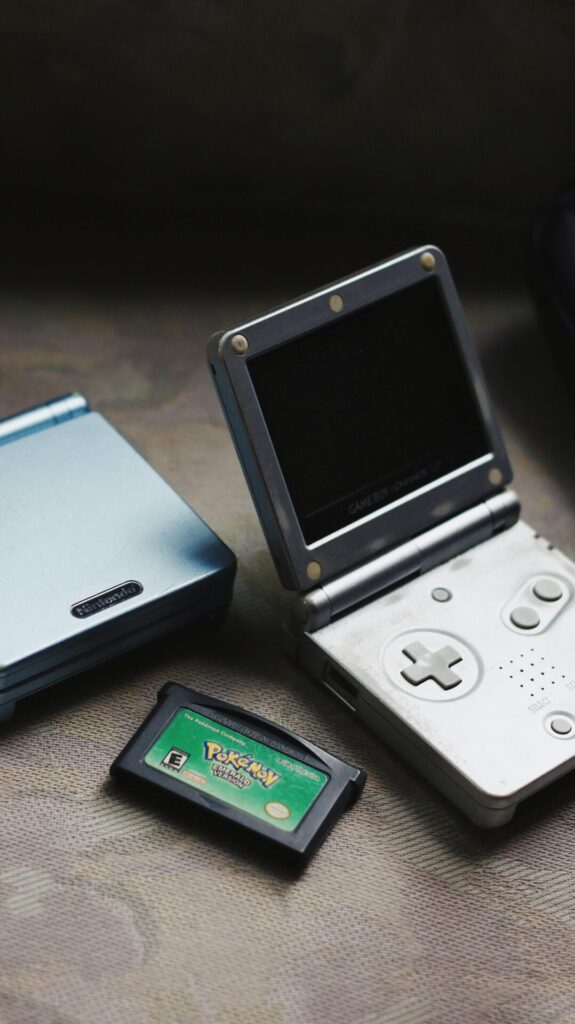
Customization will also extend to social and multiplayer contexts. Adaptive controls could allow players to tailor their input preferences and share profiles with friends or competitive communities. Game developers may create adaptive presets designed for specific genres or titles, helping new players get started quickly while still providing depth for veterans who want to fine-tune their setups. In a similar way, a pharmacy consultant offers personalized advice to optimize medication plans, ensuring patients get the best care tailored to their needs.
While adaptive controls hold immense promise, they come with design and implementation challenges. Ensuring compatibility across various platforms and games requires collaboration between hardware manufacturers, game developers, and accessibility advocates. Balancing complexity with ease of use is critical; adaptive systems must be intuitive enough for users of all ages and abilities without overwhelming them.
Nevertheless, adaptive controls embody the future of inclusive gaming, where every player can enjoy the full spectrum of gaming experiences on their own terms. This trend reflects a growing awareness that accessibility benefits everyone and that customization is no longer a luxury but a necessity. Landscapers in Green Bay also understand the value of customization, tailoring outdoor designs to meet each client’s specific needs and preferences.
Preparing for the Future: What Gamers and Developers Can Expect
As AI integration and adaptive controls become mainstream, both gamers and developers will face exciting changes and new responsibilities. Gamers can look forward to controllers that feel like extensions of themselves, anticipating their moves, adjusting on the fly, and supporting their unique needs. The frustrations of clunky, one-size-fits-all controllers will give way to seamless, responsive devices tailored precisely to each player. Similarly, fitness enthusiasts can find great options at a creatine monohydrate gummies shop, offering supplements designed for effective muscle building and recovery.
Players with disabilities will find gaming more accessible and enjoyable, with fewer barriers and more opportunities to engage competitively and socially. Even casual gamers will benefit from smarter feedback and control schemes that reduce learning curves and increase satisfaction. An interior designer in South Florida applies a similar approach—removing obstacles and enhancing user experience through thoughtful, personalized design.
Game developers will gain access to richer input data streams that can inform gameplay design and player experience. Games can be tailored in real time to suit individual players, making titles more engaging and adaptable. Developers will also collaborate more closely with hardware manufacturers and accessibility experts to create cohesive ecosystems of adaptive gaming. Just as developers focus on user experience, injury lawyer in Chicago must ensure clients can easily navigate legal options and access support.
The industry as a whole will need to invest in research, standards development, and ethical frameworks to manage AI and adaptive control technologies responsibly. This includes ensuring fairness in competitive environments, protecting player data, and maintaining transparency about how AI assistance functions.
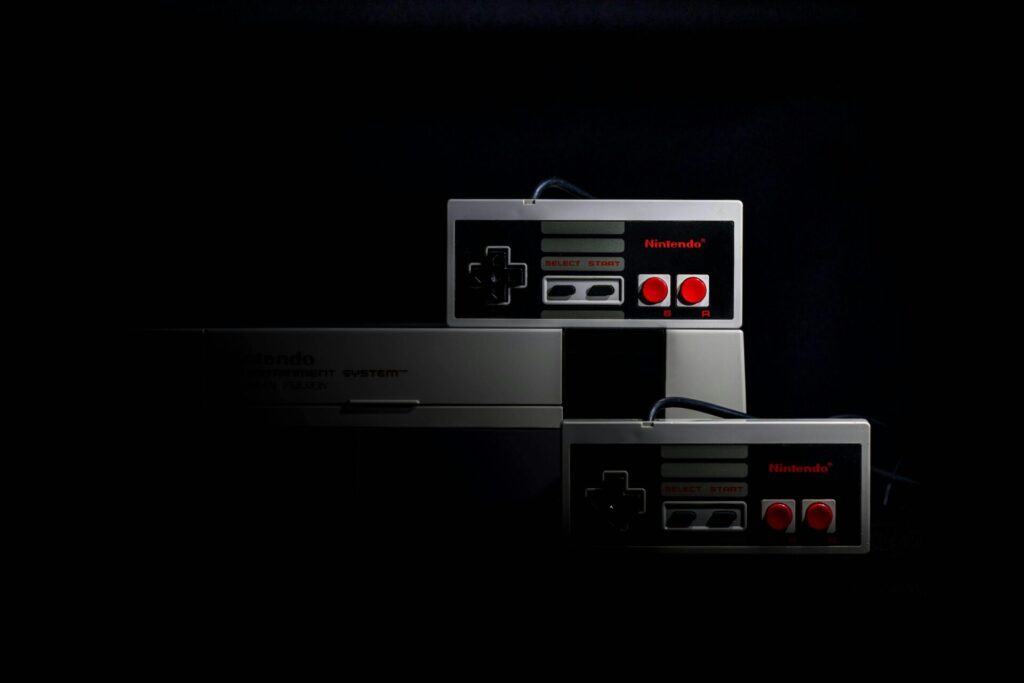
Ultimately, the future of game pads is about enhancing the human experience through technology. As AI and adaptive controls continue to evolve, the boundary between player and controller will blur, creating more intuitive, inclusive, and immersive ways to enjoy digital worlds. Gamers, developers, and manufacturers alike must embrace these innovations to unlock the full potential of interactive entertainment in the years ahead.