
The gaming industry is an ever-evolving space, constantly driven by technological advancements and shifting consumer preferences. However, amid this relentless march toward the future, a powerful wave of nostalgia is sweeping through the gaming world.
Retro consoles and classic titles are experiencing an unprecedented resurgence, capturing the hearts of both older gamers who yearn for the golden age of gaming and younger players curious about the roots of modern masterpieces. This revival of retro gaming is not merely a passing trend but a profound movement reshaping how we view and experience video games.
Nostalgia as a Driving Force in the Retro Gaming Revival
Nostalgia plays a central role in the resurgence of retro gaming. For many gamers, the sounds of 8-bit chiptunes and the pixelated visuals of classic titles like Super Mario Bros. or The Legend of Zelda are more than just relics of the past—they are gateways to cherished memories. These games, once the pinnacle of technological achievement, carry emotional weight that transcends their original platforms. As gaming enthusiasts mature, their desire to reconnect with these foundational experiences grows stronger.
The allure of reliving childhood experiences is further fueled by the accessibility of modern technology. Miniature versions of iconic consoles, such as the NES Classic Edition and the Sega Genesis Mini, allow gamers to revisit these classics without the need for bulky hardware or complex setups. These systems are not merely replicas; they are thoughtfully curated collections of beloved games, enhanced by modern conveniences such as HDMI compatibility and save states. This blending of the old with the new makes the experience of revisiting retro games seamless and enjoyable.

Moreover, nostalgia is not confined to older generations. Younger gamers, driven by curiosity and the influence of retro-inspired indie games, are increasingly drawn to the simplicity and charm of classic titles. This cross-generational appeal underscores the timeless quality of retro gaming and its ability to resonate with diverse audiences.
The Role of Modern Technology in Revitalizing Retro Gaming
While nostalgia fuels the emotional connection to retro games, modern technology has played a pivotal role in making them accessible and relevant. High-definition remakes, re-releases, and enhanced ports have brought classic titles into the modern era without compromising their original essence. These updated versions often feature improved graphics, optimized controls, and additional content, allowing old favorites to shine on contemporary platforms.
Emulators and digital marketplaces have further democratized access to retro gaming. Services like Nintendo Switch Online and PlayStation Plus offer extensive libraries of classic games, enabling players to explore decades of gaming history at the click of a button. These platforms also ensure the preservation of gaming heritage, making it possible for iconic titles to be experienced by future generations.
The rise of streaming and content creation has also amplified the retro gaming phenomenon. Influencers and streamers often showcase retro games to their audiences, introducing them to iconic titles and sparking interest in older consoles. This exposure has created a feedback loop, where demand for retro content drives its availability and further fuels its popularity.
Another technological innovation contributing to the retro revival is the development of hardware emulation. Companies like Analogue have created high-quality replicas of classic consoles, allowing enthusiasts to play original cartridges with enhanced performance. These devices cater to purists who value authenticity while ensuring compatibility with modern setups.
The Influence of Indie Games and Retro Aesthetics
Indie games have become a bridge between retro gaming and modern innovation. Titles like Stardew Valley, Celeste, and Shovel Knight draw heavily from the visual and gameplay styles of classic games while incorporating contemporary design philosophies. These games evoke nostalgia while offering fresh experiences, appealing to both retro enthusiasts and newcomers.
Pixel art, chiptune soundtracks, and side-scrolling mechanics, hallmarks of retro games, have been revitalized by indie developers. This aesthetic not only pays homage to the past but also demonstrates the enduring appeal of simplicity and creativity. In an era of hyper-realistic graphics and sprawling open worlds, the minimalist charm of retro-inspired games provides a refreshing alternative.
The success of indie games has also validated the viability of retro-inspired designs in a competitive market. Publishers and developers have taken note, leading to a resurgence of remakes, remasters, and sequels to classic franchises. The blending of retro aesthetics with modern gameplay mechanics ensures these titles remain relevant and engaging in today’s gaming landscape.
Community Engagement and the Social Aspect of Retro Gaming
The retro gaming revival is not just about the games themselves; it’s also about the communities that celebrate them. Online forums, social media groups, and conventions dedicated to retro gaming have flourished, creating spaces where enthusiasts can share their passion and expertise. These communities foster a sense of belonging, connecting gamers across generations and geographic boundaries.
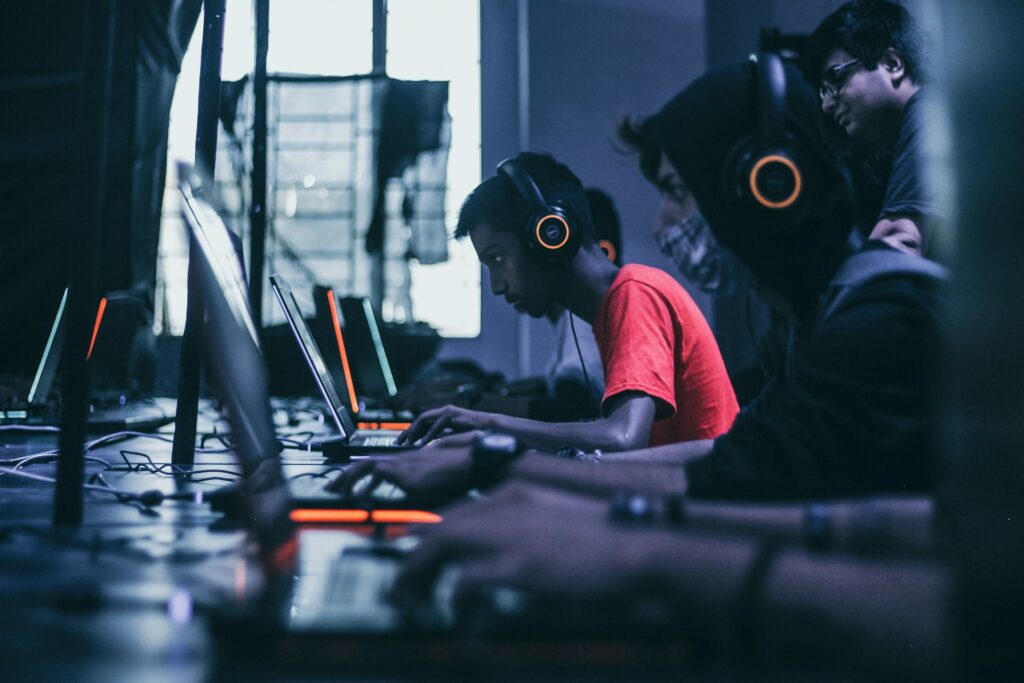
Events like retro gaming expos and tournaments bring people together to celebrate the classics, often featuring original hardware and competitions that test players’ skills on iconic titles. Such gatherings are not only nostalgic but also educational, offering insights into the history and cultural significance of gaming.
Collecting and preserving retro games has also become a popular hobby. Enthusiasts hunt for rare cartridges, maintain original hardware, and document the evolution of gaming through archival efforts. This dedication ensures that the legacy of retro gaming is preserved, providing a tangible connection to the past for future generations.
Streaming platforms and social media have amplified the social aspect of retro gaming. Gamers can now share their experiences in real time, streaming playthroughs, offering commentary, and engaging with audiences who share their appreciation for the classics. This interactive element has transformed retro gaming from a solitary activity into a shared cultural phenomenon.
The Commercial Success of Retro Consoles and Games
The commercial success of retro consoles and games has proven that the demand for nostalgia is not just a niche market but a lucrative industry. Products like the NES Classic Edition and the SNES Classic Edition have sold out within days of their release, demonstrating the immense popularity of these offerings. Similarly, collections such as the Crash Bandicoot N. Sane Trilogy and the Spyro Reignited Trilogy have been critically and commercially successful, introducing classic franchises to new audiences.
Game publishers have also capitalized on the retro trend by re-releasing older titles on digital platforms. Services like Steam, the PlayStation Store, and the Nintendo eShop feature extensive libraries of retro games, allowing players to purchase and play them without the need for original hardware. This accessibility has significantly expanded the market for classic titles.
The success of retro gaming has also influenced the design of modern consoles. Devices like the Nintendo Switch, with its focus on local multiplayer and accessibility, reflect the values of retro gaming while incorporating modern innovations. This blend of old and new has proven to be a winning formula, appealing to both nostalgic players and those seeking fresh experiences.
Why Retro Gaming Continues to Thrive
The enduring appeal of retro gaming lies in its ability to evoke joy, challenge, and creativity. Unlike many modern games, which often prioritize cinematic storytelling and complex mechanics, retro titles focus on gameplay at its purest. The simplicity and accessibility of these games make them timeless, offering experiences that are just as engaging today as they were decades ago.
Moreover, retro gaming provides a sense of continuity in a rapidly changing industry. As technology evolves and gaming trends shift, the classics remain a constant—a reminder of where it all began. This connection to the past is invaluable, fostering a deeper appreciation for the artistry and innovation that defined earlier eras of gaming.
In conclusion, the resurgence of retro consoles and classic titles is more than just a nostalgic trip down memory lane; it is a celebration of gaming’s rich history and enduring legacy. By embracing the past, the gaming community is ensuring that these timeless experiences continue to inspire and entertain for generations to come. Whether through updated remakes, indie homages, or cherished memories of the originals, retro gaming remains an integral part of the industry’s present and future.