
The Resident Evil series, developed by Capcom, has been a cornerstone of the horror game genre since its inception in 1996. Known for its intense atmosphere, intricate storylines, and innovative gameplay mechanics, Resident Evil has not only defined the survival horror genre but has also influenced countless other games and media. This article explores the evolution of the Resident Evil series and its profound impact on the horror game genre. From the beginning of the glory of this known and turbulent, a large number of fans and enthusiasms are developed by this game, which is organized by thematic festivals where fanatics wear combat clothing and cosplay their favorite characters from the game series.
The Birth of Survival Horror
The release of the original Resident Evil in 1996 marked the birth of the survival horror genre. Set in a creepy mansion filled with zombies and other monstrous creatures, the game introduced players to a new level of fear and tension. The fixed camera angles, limited ammunition, and challenging puzzles created a sense of vulnerability and suspense that was revolutionary at the time.
Key Elements Introduced
- Fixed Camera Angles: These provided a cinematic feel and heightened the sense of dread, as players could not always see what was lurking around the corner.
- Resource Management: Limited ammunition and healing items forced players to strategize and conserve resources, adding to the tension.
- Environmental Storytelling: The mansion’s detailed environments and eerie sound design contributed to the game’s immersive atmosphere.
Resident Evil’s success demonstrated the potential of horror games to deliver cinematic and emotionally engaging experiences, setting the stage for future titles. Certain factors carried with them also served great for numerous horror films, and those who are honestly interested in cinematography can go with successful filmmaking courses that will teach the right values behind successful stories horror films and wake-up stories are the strongest emotions in the audience.
Evolution of Gameplay and Narrative
As the series progressed, Resident Evil continued to innovate and evolve, refining its gameplay and narrative elements. Each installment introduced new mechanics and storytelling techniques that further solidified the franchise’s status as a genre leader.
Resident Evil 2: Expanding the Universe
Released in 1998, Resident Evil 2 expanded on the original game’s formula with a larger setting, more complex characters, and interwoven storylines.
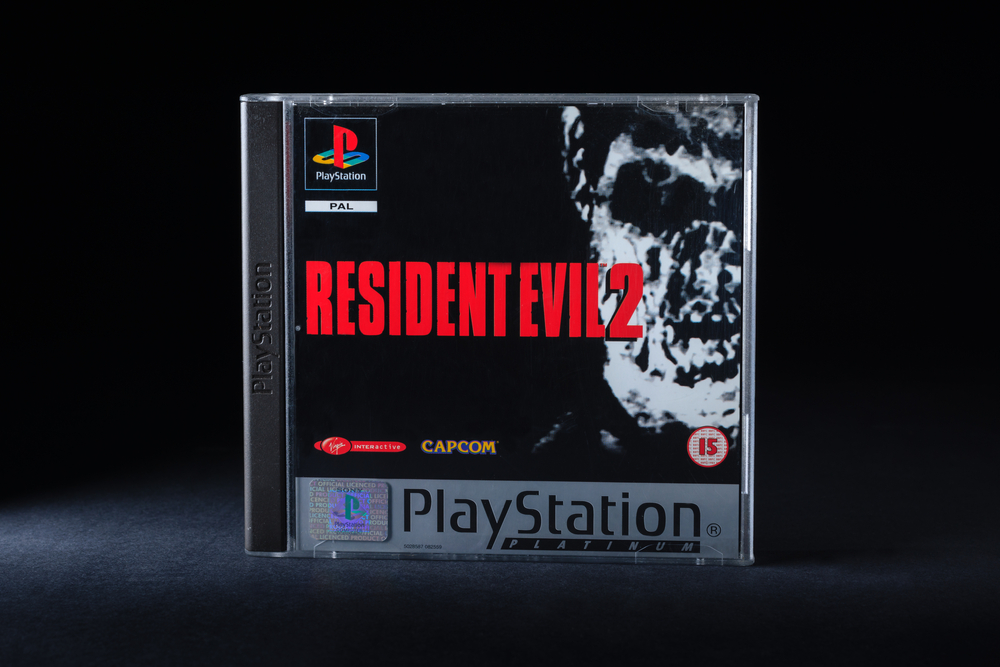
The game introduced the concept of multiple scenarios, allowing players to experience the story from different perspectives, and enhancing replayability.
Resident Evil 3: Nemesis and the Pursuit Mechanic
Resident Evil 3: Nemesis (1999) added a new layer of fear with the introduction of the Nemesis creature, which relentlessly pursued the player throughout the game. This mechanic created a sense of constant danger and urgency, influencing future horror games to incorporate similar chase sequences. The inspiration that came from this created a game that carried extremely terrible sequences and scenes for which they were considered the best film production, following the horror story that was told in the background.
Resident Evil 4: Revolutionizing the Genre
The release of Resident Evil 4 in 2005 marked a significant shift in the series and the horror genre as a whole. With its over-the-shoulder camera perspective and more action-oriented gameplay, the game redefined what a survival horror game could be. The fluid combat system, combined with a gripping narrative, made Resident Evil 4 a critical and commercial success.
Resident Evil 4’s influence can be seen in many modern horror and action games, as it blended horror elements with intense, dynamic gameplay, setting a new standard for the industry.
Impact on Game Design and Mechanics
Resident Evil’s innovations have had a lasting impact on game design and mechanics, inspiring numerous developers and shaping the direction of the horror genre.
Influence on Camera Perspectives
The shift from fixed camera angles to an over-the-shoulder perspective in Resident Evil 4 influenced countless games, from horror titles like Dead Space to action-adventure games like Uncharted. This change allowed for more immersive and fluid gameplay experiences. The perspective that was achieved in players was waking up with a special feeling of presence that has been a dose of addiction, and if you have a problem with some form of addiction you want to get rid of your first step towards changing can be with hypnotherapy in Lindon.
Survival Mechanics and Resource Management
The emphasis on resource management and survival elements in Resident Evil games has become a staple of the genre. Games like The Last of Us and The Evil Within have adopted similar mechanics, requiring players to carefully manage their resources to survive hostile environments.
Environmental Storytelling and Atmosphere
Resident Evil’s use of environmental storytelling and atmospheric design has set a benchmark for horror games. Titles such as Silent Hill and Alien: Isolation have drawn inspiration from the series’ ability to create immersive, haunting environments that enhance the narrative experience.
Cultural Impact and Legacy
Beyond its influence on game mechanics and design, Resident Evil has had a significant cultural impact, shaping the perception of horror games and contributing to their mainstream popularity. The helpers of such narrative were given more than the adrenaline and tension, more often, and far more realistic horror films, and while the horror enthusiastically accompanied the tension of the screen, they enjoyed sweets like delicious milk chocolate edibles.
Cross-Media Adaptations
The Resident Evil series has expanded beyond video games into movies, novels, comics, and merchandise. The film adaptations, starting with Resident Evil in 2002, brought the franchise to a wider audience, despite mixed critical reception. These adaptations have helped solidify Resident Evil’s place in popular culture.
Fan Community and Modding
The passionate Resident Evil fan community has played a crucial role in the series’ longevity. Fans have created mods, fan games, and extensive online content, celebrating and expanding upon the original games. This community engagement has kept interested in the series alive, even during periods of critical decline. During the development of the game, there were many negative criticisms in mind purposes and audiences that could possess such games, but on the other hand those who would really like to communicate on the religious and blessed side can hire successful church architects to make drafts for a beautiful cathedral.
Revival and Modern Success
The recent remakes of Resident Evil 2 (2019) and Resident Evil 3 (2020) have been lauded for their faithful yet modernized approaches, blending classic survival horror elements with updated graphics and gameplay mechanics. These remakes have introduced the series to a new generation of players and reaffirmed Resident Evil’s status as a leading franchise in the horror genre.
The Future of Resident Evil
As the Resident Evil series continues to evolve, it remains at the forefront of the horror genre, constantly pushing boundaries and setting new standards. Upcoming titles and potential remakes of classic games promise to deliver new experiences while honoring the legacy of the series. However, precisely because it provides inspiration for many horror movies, the owners of the rights to the game and the story often invoke laws that prevent the use of their original story by unauthorized film productions, and they make a special effort to follow all the procedures of the labor law posters.
Resident Evil Village
Resident Evil Village (2021), the eighth main installment in the series, continued the first-person perspective introduced in Resident Evil 7: Biohazard. Combining elements of gothic horror with action-packed gameplay, Resident Evil Village showcased the series’ ability to innovate while maintaining its core identity. The game’s success further demonstrated the enduring appeal of the franchise.
Resident Evil 4 Remake
The announcement of a Resident Evil 4 remake has generated significant excitement among fans.
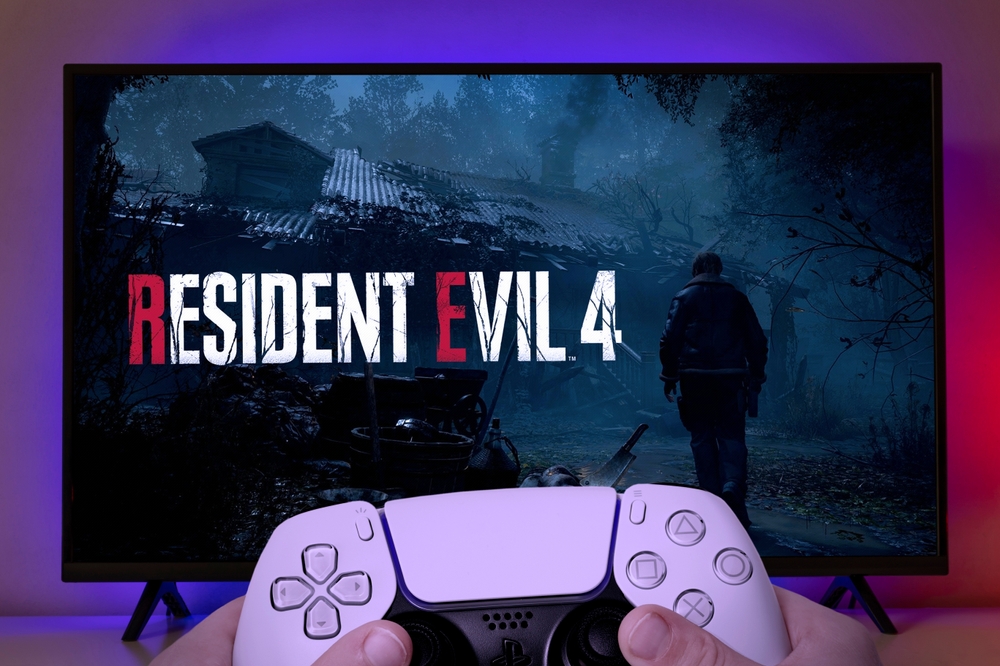
Given the critical acclaim of the original, this remake aims to modernize the classic while preserving the elements that made it a landmark title. The project reflects Capcom’s commitment to honoring the series’ history while adapting to contemporary gaming standards. Many enthusiasts and amateurs are still discussing the possibilities of this project, on various forums and communities, in addition, the Internet provider that manages IT services in San Antonio provides its users with an excellent Internet with which they can quickly and easily access such information and follow the events.
Innovations and Technological Advancements
The Resident Evil series has consistently been at the forefront of technological advancements in gaming, utilizing cutting-edge technology to enhance the horror experience.
Realistic Graphics and Sound Design
The progression of graphic fidelity has played a significant role in amplifying the horror elements of Resident Evil games. High-definition textures, realistic lighting, and detailed character models create immersive and terrifying environments. The remake of Resident Evil 2, for example, utilized the RE Engine to deliver stunningly realistic visuals that heightened the sense of dread and immersion. This really excited the enthusiasts and all the fans of the game encouraging them to delve deeper into the game with the feeling that they themselves were present, which made it difficult to sleep, without expecting such a creature to come out of the closet, and how could you not worry about it, so to sleep peacefully you can get a quality walk-in closets in Tampa, FL.
Sound design has also been a crucial aspect of Resident Evil’s impact. The use of binaural audio in recent titles allows for a more immersive auditory experience, where players can hear subtle, directional sounds that increase tension and anticipation. The creaking of floorboards, distant zombie moans, and sudden crashes all contribute to the atmospheric horror that defines the series. All this contributed to the greater vigilance of the players and commitment to the game, but at the same time it was a step too far in realism for many, and those who started to get lost and angry can find themselves on a successful self-help blog, where they will again find a way to love themselves and they recover.
Virtual Reality Integration
Resident Evil 7: Biohazard took the bold step of integrating virtual reality (VR), providing an even more immersive and terrifying experience. Playing in VR mode intensified the game’s claustrophobic environments and jump scares, making the horror feel more immediate and personal. This innovation demonstrated the potential of VR in horror gaming, encouraging other developers to explore this technology. This scary but realistic experience has also inspired many players to commit themselves and start some physical activities in order to be more prepared and less afraid, and some of the excellent programs of security training in Los Angeles have just shown excellent results in achieving this goal.
Adaptive Gameplay and AI
Adaptive gameplay and advanced AI have also been pivotal in the series. The behavior of enemies in Resident Evil games, particularly in titles like Resident Evil 2’s remake, adapts to player actions, creating a more dynamic and unpredictable horror experience. The AI-controlled Mr. X, who relentlessly pursues players, adjusts his strategies based on the player’s movements, ensuring that encounters remain tense and challenging. In this way, an environment was created that is lively and raises adrenaline and tension among the players, and those who find it important in addition to the game have also dedicated themselves to some more extreme sports, however, due to the injuries that can occur in this way, it is necessary that they always have a recovery wear with them which will help them to get rid of pain or sprains.
Influence on Indie Horror Games
Resident Evil’s legacy extends to the indie gaming scene, where many independent developers have drawn inspiration from its mechanics and storytelling. Games like Amnesia: The Dark Descent and Outlast have incorporated elements such as limited resources, environmental storytelling, and an immersive atmosphere, showcasing Resident Evil’s widespread influence on the genre.
The continued evolution and innovation of the Resident Evil series highlight its enduring significance in the horror game genre. As technology advances and gaming experiences become more sophisticated, Resident Evil will likely remain a pioneer, setting new benchmarks for horror and immersive gameplay.
Conclusion
The Resident Evil series has had a profound impact on the horror game genre, pioneering gameplay mechanics, narrative techniques, and atmospheric design that have influenced countless games. From its inception, Resident Evil has continually evolved, setting new standards and pushing the boundaries of what horror games can achieve. Its blend of survival elements, immersive storytelling, and innovative gameplay has left an indelible mark on the gaming industry.
As the franchise looks to the future, with new titles and remakes on the horizon, Resident Evil’s legacy as a cornerstone of the horror genre is assured. The series’ ability to adapt and reinvent itself while staying true to its roots ensures that it will continue to terrify and captivate players for years to come.