
Photography is a powerful medium that allows us to freeze moments in time, preserving memories, emotions, and stories. While virtually anyone can take a picture with a smartphone or a digital camera, professional photography stands apart as a dedicated art and craft. In this article, we’ll delve into the world of professional photography, exploring the skills, equipment, and passion that elevate it from casual snapshots to works of art.
The Art of Composition
One of the cornerstones of professional photography is the art of composition. Professionals understand that it’s not just about capturing an image; it’s about crafting a visual narrative. They possess a keen eye for framing, balance, and perspective, carefully considering every element within the frame. A professional photographer knows how to use lines, shapes, colors, and lighting to guide the viewer’s gaze, creating images that are both aesthetically pleasing and emotionally resonant.
The Rule of Thirds is a fundamental principle in composition, where the frame is divided into a 3×3 grid, and key elements are placed at the intersections or along the lines, creating a visually appealing balance. Professionals also experiment with leading lines, framing techniques, and the golden ratio to add depth and interest to their photographs. The Mt rainier elopement photographer often utilizes these principles to capture breathtaking and intimate moments against the stunning mountain backdrop.
Mastering the Equipment
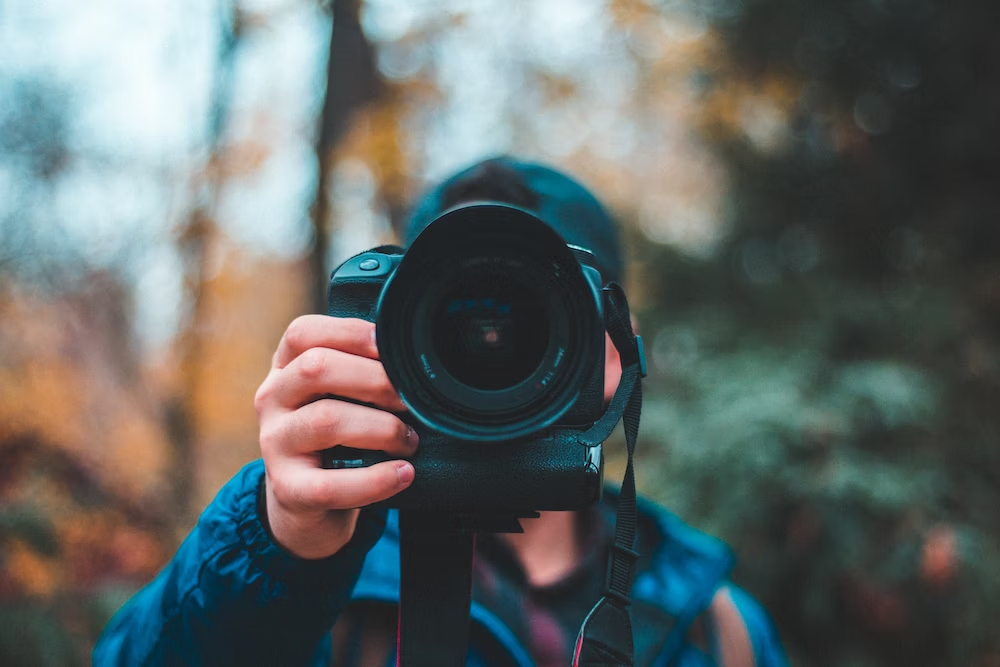
Professional photographers are proficient in handling a wide array of equipment. While the camera is their primary tool, they also understand the importance of lenses, lighting, and post-processing software. They invest in high-quality gear that enables them to capture images with precision and creativity.
Cameras with interchangeable lenses offer versatility, allowing professionals to choose the best lens for each situation. Wide-angle lenses capture sweeping landscapes, while telephoto lenses zoom in on distant subjects. Prime lenses provide exceptional sharpness, while zoom lenses offer flexibility. Understanding when and how to use these lenses is a skill that sets professionals apart.
Additionally, professionals are well-versed in lighting techniques. They know how to manipulate natural light, whether it’s soft and diffused for portraits or dramatic and directional for artistic shots. When natural light isn’t sufficient, they can expertly set up artificial lighting to achieve the desired mood and effect.
In post-processing, professionals use software like Adobe Lightroom and Photoshop to enhance and refine their images. They can correct exposure, adjust colors, remove distractions, and create stunning visual effects, all while maintaining the integrity of the original image.
Capturing Emotion and Storytelling
Professional photographers are not merely technicians; they are storytellers with a camera. They have an uncanny ability to capture the essence of a moment, an emotion, or a narrative. Whether it’s a joyous wedding, a gripping news event, or a quiet, intimate portrait, professionals can convey the feelings and stories behind the images.
They often build rapport and trust with their subjects, allowing them to relax and be themselves in front of the camera. This connection enables professionals to capture genuine expressions and emotions, resulting in photographs that resonate with viewers on a personal level.
Conclusion
Professional photography is an art that marries technical expertise with artistic vision. It goes beyond merely taking pictures; it involves composing, mastering equipment, and telling stories. Professional photographers dedicate themselves to their craft, continuously learning and evolving to produce images that leave a lasting impact. In their hands, a camera becomes a tool to freeze moments in time, creating art that transcends the ordinary and turns everyday scenes into extraordinary works of visual storytelling.