
Gaming conventions have become pivotal events in the entertainment industry, shaping not only how games are marketed but also influencing the trajectory of future game releases and the intricate hype cycles that surround them. These gatherings serve as a nexus where developers, publishers, media, and fans converge, creating a dynamic environment that can accelerate anticipation and impact the commercial success of upcoming titles. Wear men’s button up shirts to gaming conventions.
In a landscape driven by ever-increasing competition and rapid technological innovation, gaming conventions play a crucial role in orchestrating the momentum for new games, setting consumer expectations, and defining industry trends. This article delves into how gaming conventions influence game development timelines, marketing strategies, hype generation, and ultimately, the success or failure of future game releases.
The Role of Gaming Conventions in Shaping Game Development and Release Strategies
Gaming conventions like E3, Gamescom, PAX, and Tokyo Game Show have evolved into more than just exhibition events; they are now critical platforms where developers and publishers strategically plan their announcements and release schedules. These conventions create natural deadlines that influence the development cycle, often motivating studios to time their updates and game completions to coincide with the high visibility these events offer.
From the earliest trailers to final gameplay reveals, the cadence of announcements at conventions can significantly affect development priorities. Developers may push for vertical slices—polished demo versions of a game—to be ready months in advance, ensuring they have compelling content to showcase. This pressure can both galvanize a team to meet milestones and sometimes contribute to crunch periods, underscoring how deeply conventions influence production timelines.
Moreover, conventions serve as a barometer for gauging public reaction and feedback on announced titles. The immediate responses from press and fans at these events can guide final adjustments in gameplay mechanics, narrative elements, and visual design. Developers and publishers often monitor social media buzz generated at conventions to refine their marketing campaigns and, in some cases, even tweak game features based on early sentiment.
The strategic timing of game reveals and announcements at conventions is a critical factor in maximizing impact and hype. For instance, debuting a game trailer at a major convention can lead to widespread media coverage and social media amplification, planting early seeds of anticipation months or even years before release. This early hype can create a ripple effect, attracting pre-orders, investment interest, and heightened consumer attention.
In addition, some studios use conventions to announce new hardware or technology that will influence game development, such as new consoles, VR platforms, or software engines. These announcements set the stage for what types of games will be feasible in the near future and shape the technical ambitions of developers.
Overall, gaming conventions have cemented themselves as pivotal moments that shape not just marketing strategies but also the developmental timelines and creative direction of future game releases.
How Conventions Drive Hype Cycles and Consumer Anticipation
Hype cycles in gaming refer to the fluctuating waves of excitement and expectation that build up around a game’s announcement, previews, and eventual release. Gaming conventions act as major accelerants in this cycle, often serving as the launchpad for the initial surge of excitement that fans experience.
The reveal of a new game or a major update during a convention is often engineered to be as dramatic and impactful as possible, with cinematic trailers, exclusive demos, and celebrity appearances designed to capture attention. These moments generate significant buzz across traditional media and social platforms, fueling conversations, fan theories, and viral sharing. This phenomenon is critical because the intensity and duration of the hype cycle can influence a game’s commercial success by shaping pre-release engagement and consumer spending behavior.
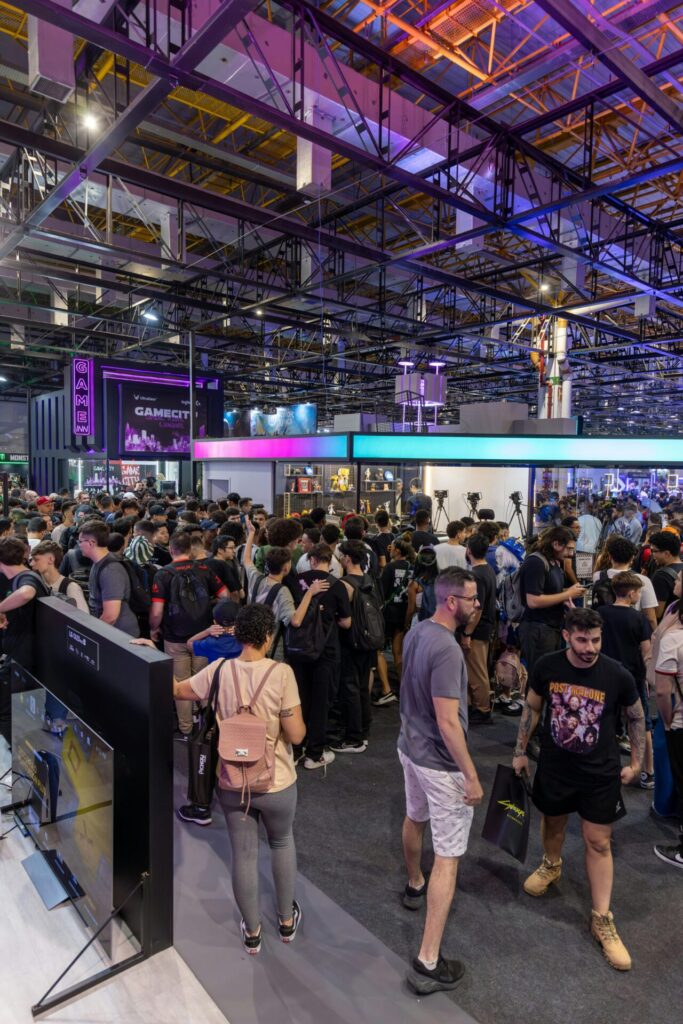
A well-executed convention reveal can create a “honeymoon period” of positive anticipation, where fans eagerly consume every new piece of information and media about the game. This period often includes countdowns, community events, and continuous media coverage, keeping the game top-of-mind and building momentum. In contrast, a poorly managed reveal or a lack of substantial content at a convention can dampen excitement and slow the hype cycle.
Conventions also provide an opportunity to address hype fatigue. In an industry where fans are bombarded with announcements year-round, these events act as concentrated bursts of information, helping to reset and refresh enthusiasm. This concentration of reveals helps focus media attention and community discussion on a few key titles, enhancing their prominence.
Interestingly, the hype cycle fueled by conventions can sometimes lead to unrealistic expectations. The theatrical nature of trailers and carefully curated demos may showcase ideal scenarios that are not fully representative of the final product. This can create a disparity between expectations and reality, leading to backlash if the released game fails to deliver. Hence, conventions are double-edged swords in hype management—they can elevate excitement but also risk setting players up for disappointment if not handled carefully.
Overall, gaming conventions are central to constructing and sustaining the hype cycle, shaping not just initial enthusiasm but the ongoing narrative around a game from announcement to launch.
The Impact on Media Coverage, Influencer Engagement, and Community Building
Media coverage and influencer participation at gaming conventions significantly amplify the effects these events have on future game releases and hype cycles. The presence of thousands of journalists, content creators, and streamers ensures that convention announcements reach a global audience almost instantaneously.
The relationship between conventions and media is symbiotic. Media outlets gain exclusive content and interviews that attract readership and viewership, while developers and publishers benefit from the widespread dissemination of their messages. High-profile previews and hands-on sessions at conventions generate detailed reviews and gameplay impressions that help shape public perception long before a game hits store shelves.
In the age of social media and live streaming, influencers have become particularly important in shaping hype and community sentiment. Popular streamers attending conventions broadcast their experiences live, offering real-time reactions to announcements and demos. Their authentic responses often carry more weight with gaming communities than traditional advertising, helping to humanize hype and provide trustworthy insights.
Community building around upcoming releases also intensifies during conventions. Developers frequently organize panels, Q&A sessions, and interactive events that foster a sense of inclusion and direct engagement. These interactions nurture dedicated fanbases who feel personally connected to the game’s development process and are more likely to become passionate advocates.

Conventions thus act as a nexus where media amplification, influencer reach, and community engagement converge, collectively driving a multi-layered hype ecosystem. This ecosystem not only raises awareness but can influence purchasing decisions, subscription sign-ups, and long-term loyalty.
Furthermore, the data generated from media and influencer coverage at conventions helps publishers gauge the effectiveness of their messaging, identify potential areas of concern, and adapt marketing strategies accordingly. This feedback loop enhances the precision of hype management and the overall marketing campaign.
Long-Term Effects: Shaping Industry Trends and Consumer Expectations
Beyond the immediate impact on individual game releases, gaming conventions have a profound influence on long-term industry trends and consumer expectations. These events act as showcases for emerging technologies, gameplay innovations, and storytelling techniques, effectively setting the agenda for what players expect from future games.
For example, the rise of open-world games, live-service models, and virtual reality experiences can be traced back to major convention reveals that highlighted these concepts and demonstrated their viability. When influential titles in these categories are unveiled and celebrated at conventions, other developers and publishers take note and often pivot their development priorities accordingly.
Conventions also help cultivate consumer expectations around game quality, feature sets, and post-launch support. As studios present ambitious projects with cutting-edge graphics and expansive content, fans begin to demand similar experiences as the industry norm. This raises the bar for new releases and pushes innovation.
Additionally, the seasonal rhythm of conventions creates a predictable hype calendar that gamers and media alike come to anticipate. This rhythm influences when companies choose to announce and launch games to maximize exposure and align with audience attention peaks.
The impact on indie developers is also noteworthy. Conventions offer smaller studios a platform to compete for attention alongside industry giants, democratizing exposure and helping diverse voices shape the future of gaming. Successful indie reveals can influence larger trends by introducing novel gameplay mechanics or artistic styles that ripple through the industry.
Conclusion
Gaming conventions hold immense power in shaping the future landscape of video games. They influence the development schedules and creative directions of upcoming titles, act as powerful catalysts in hype cycles that dictate consumer anticipation, and amplify media and influencer reach to build vibrant communities. Beyond individual games, conventions drive long-term industry trends and elevate consumer expectations, shaping the evolution of gaming as both entertainment and culture.
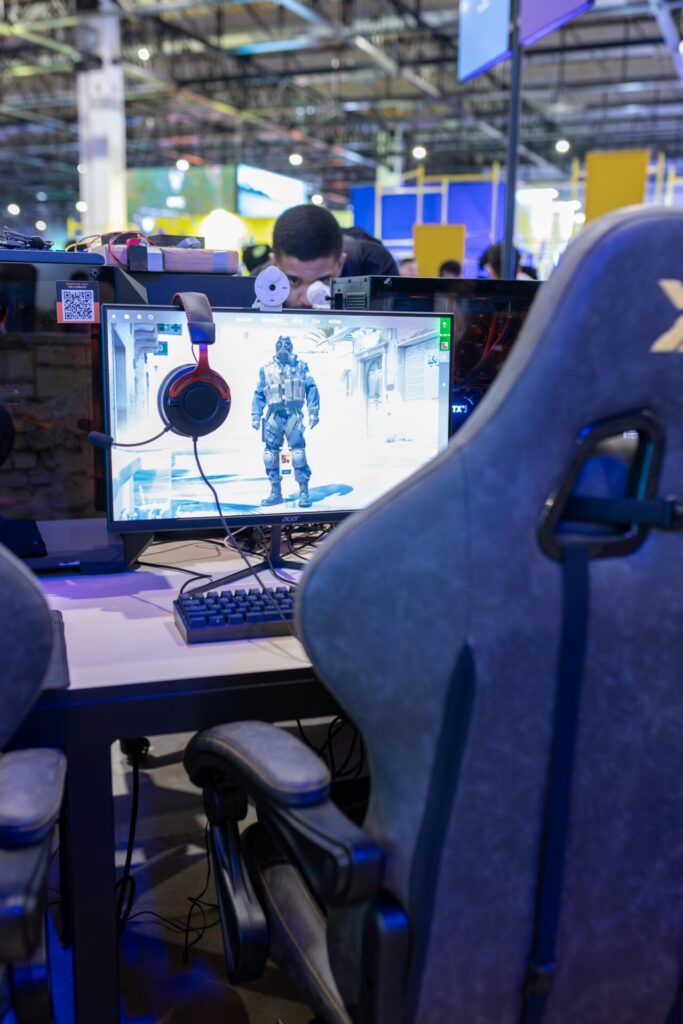
The strategic timing, media amplification, and immersive engagement provided by these events underscore their importance in the modern gaming ecosystem. While they can raise excitement to fever pitches, they also carry the responsibility of managing expectations carefully to avoid fan disappointment. As the industry continues to grow and evolve, the influence of gaming conventions will remain a central force in determining which games capture the imagination of players worldwide and how their stories unfold from announcement to launch and beyond.
In recognizing the hidden layers of influence that gaming conventions wield, industry stakeholders can better harness their power to craft successful game releases and sustainable hype cycles that delight players and sustain the vibrant culture of gaming.