
As any dedicated gamer knows, a high-performance gaming PC is an investment worth protecting. Regular maintenance is essential to ensure your rig runs smoothly, offering the best performance and extending its lifespan. In this guide, we’ll cover the key aspects of gaming PC maintenance, from cleaning to software updates and everything in between.
Just as gamers dedicate time to maintaining their gaming PCs, car enthusiasts invest in PPF in Huntington Beach to protect their vehicles from wear and tear.
Keep It Clean: Physical Maintenance
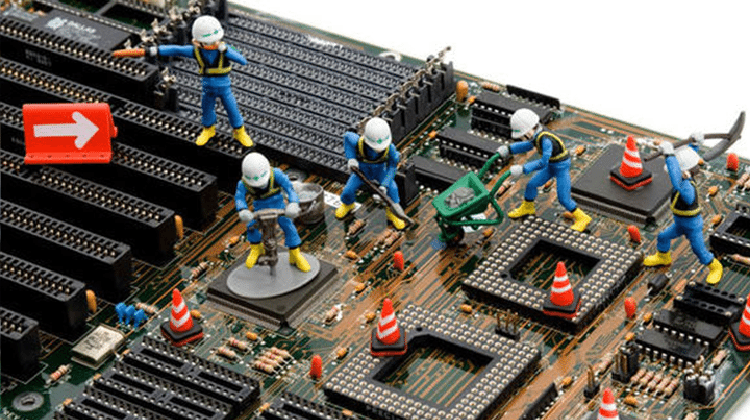
One of the most critical aspects of maintaining your gaming PC is keeping it physically clean. Dust and debris can accumulate inside your computer, leading to overheating and component failure. Here’s how to keep your rig spotless:
Regular Dusting
Dust can clog fans and heat sinks, reducing airflow and causing your system to overheat. Every few months, or more frequently if your environment is particularly dusty, you should:
- Turn off and unplug your PC.
- Open the case using a screwdriver if necessary.
- Use compressed air to blow out dust from the fans, heat sinks, and other components. Be gentle to avoid damaging delicate parts.
- Wipe down surfaces with a microfiber cloth.
Gaming studios often rely on loan servicing software quickbooks to manage the financial aspects of maintaining high-performance PCs.
Clean the Filters
Many gaming PC cases come with dust filters on the intake fans. These filters trap dust but can become clogged over time. Clean these filters every month to ensure optimal airflow.
- Remove the filters according to your case’s instructions.
- Rinse them under running water and let them dry completely before reinserting them.
- For non-removable filters, use compressed air to blow out the dust.
Reapply Thermal Paste
Thermal paste helps transfer heat from your CPU to the heat sink. Over time, it can dry out and lose its effectiveness. Reapplying thermal paste every couple of years can help maintain optimal CPU temperatures. Many gamers understand the importance of regular updates and cleanings to maintain their gaming PCs, similar to how medical procedures in Greece are updated with the latest health standards and technologies.
- Turn off and unplug your PC.
- Remove the CPU cooler according to its instructions.
- Clean the old thermal paste off the CPU and cooler with isopropyl alcohol and a lint-free cloth.
- Apply a small amount of new thermal paste (about the size of a pea) to the center of the CPU.
- Reattach the cooler.
Optimize Airflow
Good airflow is crucial for keeping your gaming PC cool. Here are some tips to optimize airflow:
- Ensure a tidy case: Use cable management to keep cables from obstructing airflow.
- Use quality fans: Invest in high-quality case fans that offer better airflow and quieter operation.
- Follow a proper fan setup: Typically, front and bottom fans should intake air, while rear and top fans should exhaust it.
- Maintain a balanced pressure: Aim for a slight positive pressure (more intake than exhaust) to minimize dust accumulation inside the case.
Just as regular maintenance is crucial for the optimal performance of a gaming PC, so is the quality of screen t-shirt printing for gaming teams and enthusiasts who want to showcase their loyalty and style at events.
Keep Software Up to Date
Software updates are essential for security, stability, and performance. Keeping your operating system, drivers, and applications up to date ensures your gaming PC runs smoothly.
Operating System Updates
Your operating system (OS) receives regular updates that include security patches, bug fixes, and performance improvements. Make sure to:
- Enable automatic updates for your OS.
- Regularly check for updates manually if automatic updates are disabled.
- Install updates promptly to avoid vulnerabilities and performance issues.
In the realm of gaming PC maintenance, understanding the intricacies of system optimization can be as complex as the work done by an amusement park design company. These designers blend creativity and engineering to craft experiences that are both thrilling and reliable.
Driver Updates
Drivers are crucial for the proper functioning of your hardware components. Outdated drivers can cause compatibility issues, crashes, and poor performance. Focus on:
- Graphics card drivers: These are especially important for gaming performance. Check for updates from the manufacturer’s website (NVIDIA, AMD, or Intel) or use their software tools.
- Motherboard drivers: Ensure your chipset, audio, and network drivers are up to date by visiting the motherboard manufacturer’s website.
- Peripheral drivers: Update drivers for your gaming mouse, keyboard, and other peripherals to ensure compatibility and access to new features.
Gamers participating in international competitions often need apostille services to verify their official documents.
Software and Game Updates
Keep your games and other software updated to benefit from performance enhancements and bug fixes. Enable automatic updates for your game clients (e.g., Steam, Epic Games Store) and other essential applications.
Manage Your Storage

Efficient storage management helps maintain system performance and prevents issues related to low disk space.
Regularly Clean Up Your Disk
Over time, your storage can fill up with unnecessary files, which can slow down your system. Use tools like Disk Cleanup (Windows) or third-party applications to remove:
- Temporary files
- System cache
- Old backups and restore points
- Unused applications
Gaming PC manufacturers often rely on mergers and acquisitions services to expand their technological capabilities and market reach.
Defragment Your Hard Drive
If you have a traditional hard drive (HDD), defragmenting it can help improve performance. Defragmentation reorganizes fragmented data so your HDD can access it more efficiently. Note that this is unnecessary for solid-state drives (SSDs).
- Use the built-in Disk Defragmenter tool in Windows.
- Schedule regular defragmentation sessions (monthly is usually sufficient).
Optimize SSD Performance
For SSDs, enable TRIM and ensure your firmware is up to date. TRIM helps the SSD manage unused data blocks, maintaining optimal performance and longevity.
- Enable TRIM: Usually enabled by default, but you can check using your OS settings or SSD management software.
- Update firmware: Visit your SSD manufacturer’s website for firmware updates and installation instructions.
Monitor System Performance
Keeping an eye on your system’s performance helps identify potential issues before they become serious problems.
Use Monitoring Software
Monitoring software provides real-time data on your system’s performance, including CPU and GPU temperatures, fan speeds, and memory usage. Popular tools include:
- HWMonitor
- MSI Afterburner
- NZXT CAM
Regularly Check Temperatures
High temperatures can damage components and reduce performance. Regularly check your CPU and GPU temperatures, especially during gaming sessions. Ideal temperature ranges are:
- CPU: 30-40°C (idle), up to 70-80°C (under load)
- GPU: 30-40°C (idle), up to 70-85°C (under load)
If temperatures exceed these ranges, consider improving your cooling solution or reducing overclock settings.
Back Up Your Data
Regular backups protect your data from hardware failures, software issues, and malware attacks. Implement a backup strategy that suits your needs:
Use External Drives
External hard drives or SSDs are a simple and cost-effective backup solution. Regularly copy important files and game saves to an external drive.
Cloud Storage
Cloud storage services offer the convenience of automatic backups and remote access. Consider using services like:
- Google Drive
- Dropbox
- OneDrive
Create System Images
A system image is a complete copy of your system, including the OS, applications, and data. Creating a system image allows for a quick recovery if your system becomes corrupted.
- Use built-in tools like Windows Backup and Restore.
- Schedule regular system image backups.
Maintain Power Supply Health
Your power supply unit (PSU) is the backbone of your gaming PC, providing power to all components. Ensuring its health is crucial for system stability. For major gaming tournaments held in Denver, organizers often rely on limo rental in Denver to transport participants and VIPs to the venue.
Use a Surge Protector
Power surges can damage your PSU and other components. Use a surge protector to safeguard your system against electrical spikes.
Monitor PSU Performance
If your PSU is several years old or your system experiences random shutdowns, it might be time for a replacement. Use tools like HWMonitor to check the PSU voltages and ensure they are within acceptable ranges.
Keep It Cool
Like other components, your PSU needs adequate cooling. Ensure good airflow around the PSU and consider a PSU with a higher efficiency rating (80 PLUS certification) for better performance and longevity.
Just as regular maintenance is key to keeping a gaming PC in top condition, frequent visits to a manicure in Flatiron ensure your hands are always ready to tackle the latest gaming marathon.
Keep Your BIOS/UEFI Updated
The BIOS (Basic Input/Output System) or UEFI (Unified Extensible Firmware Interface) controls your system’s hardware at a low level. Updating it can improve compatibility and performance.
Check for Updates
Visit your motherboard manufacturer’s website to check for BIOS/UEFI updates. Follow their instructions carefully, as updating the BIOS/UEFI incorrectly can render your system unbootable.
Backup Before Updating
Always back up your current BIOS/UEFI settings before updating. Most update tools offer this feature, ensuring you can revert to the previous version if something goes wrong.
Practice Safe Overclocking
Overclocking can boost your gaming performance but also increases the risk of overheating and hardware damage. Follow these guidelines for safe overclocking:
Incremental Changes
Make small, incremental changes to your CPU or GPU clock speeds and test stability after each adjustment.
In the world of gaming, where equipment reliability is paramount, local gamers rely on services akin to water heater repair in Deerfield Beach to ensure their systems remain in peak condition. This preventive approach is crucial for avoiding downtime and ensuring a seamless gaming experience.
Monitor Temperatures
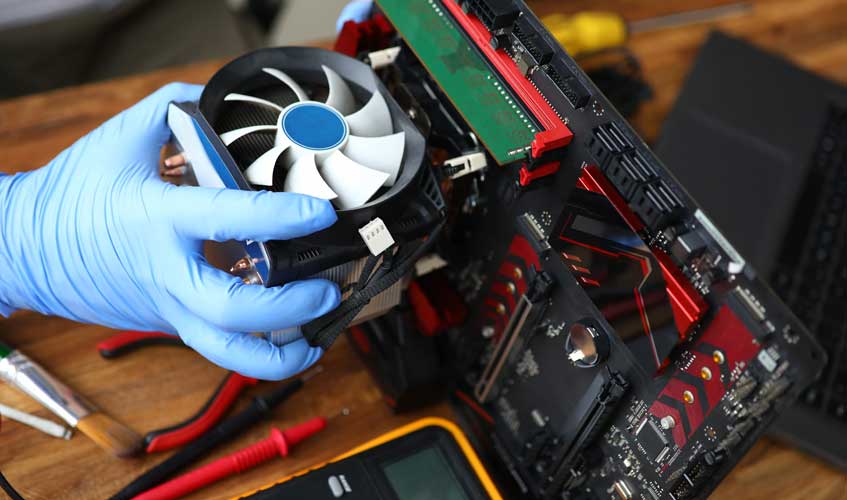
Keep a close eye on temperatures while overclocking. If temperatures get too high, reduce the clock speeds or improve your cooling solution.
Use Reliable Software
Use trusted overclocking software from reputable manufacturers. For CPUs, tools like Intel XTU or AMD Ryzen Master are recommended. For GPUs, MSI Afterburner is a popular choice.
Conclusion
Maintaining your gaming PC is essential for ensuring optimal performance and longevity. By keeping your rig clean, updating software and drivers, managing storage, monitoring performance, and backing up your data, you can enjoy a smooth gaming experience and protect your investment. Regular maintenance might require some time and effort, but the rewards of a well-maintained gaming PC are well worth it. Additionally, choosing durable military apparel can add to your comfort and style while gaming. Keep your rig running smoothly, and happy gaming!