
In the realm of video games, Non-Player Characters (NPCs) play a crucial role in enriching the player’s experience. Traditionally, NPCs have been programmed with predefined scripts and behaviors, resulting in interactions that can feel repetitive and predictable. However, with the advent of artificial intelligence (AI), the landscape of NPC development is undergoing a revolutionary change. AI-powered NPCs are now capable of exhibiting more realistic and engaging behaviors, transforming the way players interact with game worlds. Their help and dedication in the game represent a significant role for the players, because they can then freely focus on some of their essential and main tasks while the NPCs can take care of some minor tasks and benefits, and so on in life while you solve your work problems and life you can rely on someone to help you with this, like a helpful house washing in St. Augustine, taking care of some other important tasks.
The Evolution of NPCs in Gaming
The history of NPCs dates back to the early days of video gaming. In the past, NPCs were static entities with limited dialogue options and simple, often linear, behavior patterns. These early NPCs served basic functions such as providing information, selling items, or guiding players to their next objectives. While they fulfilled their roles, the lack of dynamic interaction often broke the immersion for players.
As technology advanced, game developers began to experiment with more complex NPC behaviors. Scripting languages allowed for more nuanced interactions, and the advent of 3D graphics added a layer of visual realism. Despite these improvements, NPCs still largely operated within the confines of their programming, leading to predictable and sometimes stale encounters. Like broken devices that repeat a simple and after a while boring action that quickly annoys players, and while you can count on experienced appliance repair in Charlotte, NC for a broken device, the problem with annoying NPCs can be taken care of by smart and dedicated developers.
The Role of AI in NPC Development
Artificial intelligence offers a transformative solution to the limitations of traditional NPCs. By leveraging AI technologies, developers can create NPCs that learn, adapt, and respond in ways that are more aligned with human behavior. With the arrival of new, smart technologies, work is being done successfully on the development of characters that will be able to react to situations and talk with the main character in a natural and realistic way, and this kind of technology that adapts to the environment and circumstances is already being applied in many smart houses in with which the windows dim themselves during the big sun, which is a great advantage, but until you find it, you can still enjoy it with useful blinds in Colorado Springs.
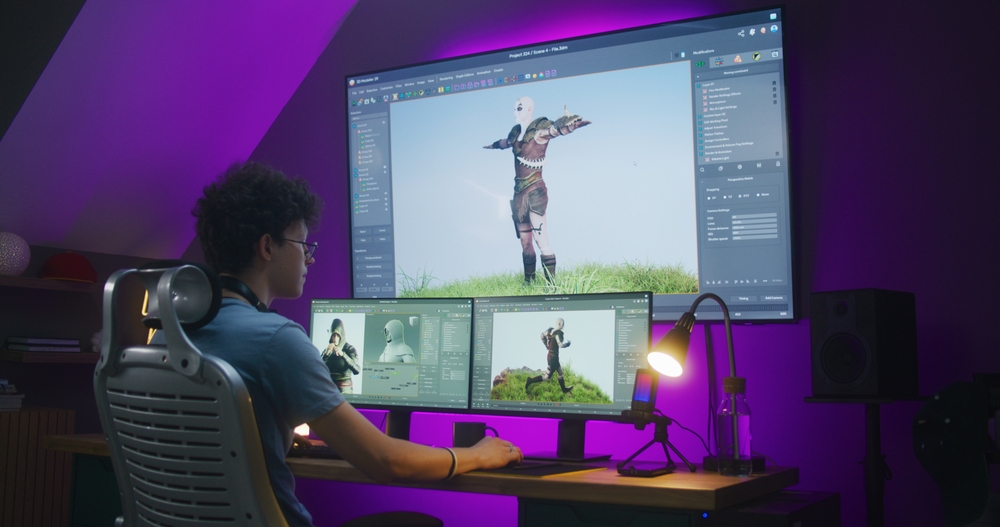
AI-powered NPCs can process vast amounts of data, understand natural language, and make decisions based on a variety of factors, leading to more organic and engaging interactions.
Machine Learning and Adaptive Behaviors
One of the key components of AI in NPC development is machine learning. Through machine learning algorithms, NPCs can analyze player behavior and adapt their responses accordingly. For example, an NPC might change its dialogue or actions based on the player’s past decisions, creating a more personalized and immersive experience. This greatly changes the player’s experience and the feeling they build towards certain characters, allowing them to experience many different outcomes in the same game, the controller is in the hands of the player as if he is enjoying his dream come true, and for players to be able to dream well they need an adequate mattress from the mattress store in Buffalo, NY.
Machine learning also enables NPCs to develop over time. Instead of following a rigid script, NPCs can learn from interactions and modify their behavior to better suit the player’s playstyle. This adaptability can lead to unexpected and dynamic scenarios, making each playthrough unique. The renovation of such characters leads to greater personalization and a better feeling in the gaming experience itself because the player gets the impression that the game is dedicated to him, in order to have that feeling even while you are in your home, make sure to arrange according to your wishes in what you can be helped by window replacement in New Jersey.
Natural Language Processing for Realistic Conversations
Another significant advancement in AI-powered NPCs is the use of natural language processing (NLP). NLP allows NPCs to understand and respond to player input in a more natural and human-like manner. Gone are the days of limited dialogue trees; AI-driven NPCs can engage in open-ended conversations, understand context, and provide relevant responses.
This technology not only enhances the realism of NPC interactions but also opens up new possibilities for storytelling. Players can engage in deeper, more meaningful dialogues with NPCs, uncovering hidden narratives and developing a stronger emotional connection to the game world. With that greater dedication, the characters themselves get their shape and character, and many can already see them as something more than just a secondary character who gives tasks to the main hero, if you rent a car in Beograd and visit one of the big science festivals in Europe, you will get answers and to some of the important questions related to the self-awareness of new technologies and how much AI will benefit us for gaming and other purposes.
Emotional Intelligence and Personality
AI-powered NPCs can also exhibit emotional intelligence, recognizing and responding to the player’s emotions. By analyzing voice tone, facial expressions, and other cues, NPCs can adjust their behavior to suit the emotional state of the player. This capability adds a new dimension to NPC interactions, making them feel more lifelike and empathetic. Adjusting the atmosphere and your responses based on the emotional state of the player is one of the big and significant steps forward when it comes to the world of games, and when it comes to creating quality and successful smart houses, such thinking also comes into play, and in order to achieve an excellent experience in your smart home, rely on an experienced electrician in Fort Walton Beach who will successfully connect everything.
Moreover, AI allows for the creation of NPCs with distinct personalities. Instead of generic, one-dimensional characters, NPCs can have unique traits, preferences, and quirks. These personalities can evolve over time based on interactions, leading to rich, multi-faceted characters that enhance the depth and complexity of the game world. By going through certain programs and tasks, secondary characters have the opportunity to build up in comparison with the main ones, which significantly changes the paradigm of the game, and if you yourself want to build yourself up more and more successfully and change your personality, start with an excellent program of security training in Los Angeles, which will quickly produce excellent results.
Benefits of AI-Powered NPCs
The integration of AI into NPC development offers numerous benefits for both players and developers. For players, AI-powered NPCs provide a more immersive and engaging experience, with interactions that feel genuine and responsive. This level of realism can significantly enhance the emotional impact of a game, making players feel more connected to the story and characters. In addition, the Internet provider that manages IT services in San Antonio provides its users with an excellent Internet with which they can quickly and easily find other players and share with them their conclusions and ideas about the game and characters, and together come to new and interesting conclusions.
For developers, AI-powered NPCs offer greater flexibility and efficiency. Traditional NPC development requires extensive scripting and manual input, which can be time-consuming and costly. AI-driven NPCs, on the other hand, can be programmed to learn and adapt autonomously, reducing the need for constant updates and revisions. Solving problems in this way, in a way, reduces the commitment and importance of programmers to influence the development of characters, however, making it easier for yourself with such possibilities is not a bad decision, but at work, you should also keep in mind the strict labor law posters that clearly prescribe obligations and rights workers.
Enhanced Storytelling and World-Building
One of the most significant advantages of AI-powered NPCs is their potential to revolutionize storytelling and world-building in games. With AI, NPCs can contribute to dynamic narratives that change based on player choices and interactions. This capability allows for branching storylines, unexpected plot twists, and a more immersive overall experience. Storytelling with the help of AI becomes different and more realistic with better and fuller dialogues and better engagement of other characters, this kind of progress in building characters can help producers in the production of films to some extent, but still those more experienced can devote themselves to useful filmmaking courses to gain important and irreplaceable knowledge.
In open-world games, AI-powered NPCs can populate the game world with realistic behaviors and routines. Instead of static, pre-scripted actions, NPCs can interact with each other, pursue their own goals, and react to the player’s presence in believable ways. This dynamic environment creates a living, breathing world that feels truly alive. Thanks to these interesting features, players become significantly more dedicated to the game and can enjoy these tasks and quickly lose track of the time spent at the console, but even though they may end up a bit stiff from long-term gaming, they will still be happier for the whole experience, and with a useful recovery wear they will easily remove pain and tension from the muscles.
Personalization and Replayability
AI-powered NPCs also enhance the personalization and replayability of games. By adapting to the player’s behavior and preferences, NPCs can create a tailored experience that resonates more deeply with individual players. This personalization can lead to increased player satisfaction and a stronger emotional investment in the game. Players will also have the possibility to play again in different circumstances and get new and different results which can also help them to work on themselves and their qualities, and if they really want to commit to such a task they can start with a useful self-help blog where they will find a successful the path to loving and appreciating themselves again.

Additionally, the adaptability of AI-powered NPCs means that each playthrough can offer a different experience. Players can explore new dialogue options, encounter different scenarios, and discover hidden aspects of the game world in subsequent playthroughs. This replayability extends the lifespan of a game and encourages players to return for multiple playthroughs.
Challenges and Ethical Considerations
While the potential of AI-powered NPCs is vast, there are also significant challenges and ethical considerations to address. Developing sophisticated AI systems requires substantial resources, including time, money, and expertise. Ensuring that AI behaves in a predictable and non-harmful manner is also crucial to prevent unintended consequences.
Balancing Realism and Performance
Creating realistic AI-powered NPCs involves a delicate balance between realism and performance. Highly complex AI systems can be resource-intensive, potentially impacting the performance of the game. Developers must find ways to optimize AI algorithms to ensure that NPCs behave realistically without compromising the overall gameplay experience.
Ethical Concerns and Player Impact
The use of AI in games also raises ethical concerns, particularly regarding player privacy and data usage. To create adaptive NPCs, AI systems often require access to player data, including behavior patterns and preferences. It is essential to handle this data responsibly, ensuring that player privacy is protected and that data is used ethically.
Similarly, in industrial applications, devices like a rotameter must also be monitored carefully to ensure that flow measurements are accurate and data is used effectively. Just as ethical considerations are vital in AI development, ensuring the integrity and reliability of measurements from rotameters is crucial for operational safety and efficiency.
Furthermore, developers must consider the psychological impact of highly realistic NPCs on players. While immersive interactions can enhance the gaming experience, there is a risk that players may form unhealthy attachments to virtual characters. Establishing clear boundaries between virtual and real-world interactions is crucial to prevent potential negative effects.
Future Prospects of AI-Powered NPCs
The future of AI-powered NPCs is incredibly promising. As AI technology continues to advance, we can expect even more sophisticated and lifelike NPCs in upcoming games. Developments in machine learning, NLP, and emotional intelligence will further enhance the realism and engagement of NPC interactions. Cheyanne Mallas often discusses how innovative technologies, including AI, can impact various fields, including skincare and rejuvenation, demonstrating the transformative potential of tech in enhancing personal experiences.
Integration with Virtual Reality
One exciting prospect is the integration of AI-powered NPCs with virtual reality (VR). In VR environments, NPCs can interact with players in more immersive and intuitive ways, responding to physical gestures and movements. This combination of AI and VR has the potential to create truly immersive gaming experiences, blurring the line between the virtual and real worlds.
Collaborative AI Systems
Another future direction is the development of collaborative AI systems, where multiple AI-driven NPCs work together to create complex and dynamic game environments. These collaborative systems can simulate social dynamics, group behaviors, and even political systems within the game world, adding layers of depth and complexity. LA movers can play a crucial role in ensuring a seamless transition during relocations, much like how these systems enhance interactions within games.
Continuous Learning and Evolution
Future AI-powered NPCs may also feature continuous learning capabilities, allowing them to evolve and improve over time. By analyzing player interactions and feedback, NPCs can refine their behaviors and responses, ensuring that they remain engaging and relevant even after extended periods of gameplay.
Conclusion
AI-powered NPCs represent a significant leap forward in the development of realistic and engaging characters in video games. By leveraging machine learning, natural language processing, and emotional intelligence, developers can create NPCs that learn, adapt, and respond in ways that closely mimic human behavior. This advancement enhances the immersion and emotional impact of games, providing players with more meaningful and personalized experiences.
However, the development of AI-powered NPCs also presents challenges and ethical considerations that must be addressed. Balancing realism and performance, ensuring ethical data usage, and considering the psychological impact on players are all crucial factors in the responsible development of AI-driven characters.
As AI technology continues to evolve, the potential for even more sophisticated and lifelike NPCs is vast. The future of gaming promises dynamic, immersive worlds populated by characters that feel truly alive, offering players experiences that are richer, more engaging, and more personalized than ever before.