
Augmented Reality (AR) has transformed how we interact with digital content by merging virtual experiences with our physical surroundings. Among the many innovations that AR has introduced, one of the most fascinating is anchoring—the process by which AR games attach narratives, characters, or gameplay elements to specific real-world locations. This technique not only enriches the gaming experience but also fundamentally changes how we perceive and engage with our environments.
In this article, we will explore the art of anchoring in AR games, unraveling how stories are pinned to places, the technologies behind this process, and why this fusion of storytelling and geography is revolutionizing entertainment and education.
The Concept of Anchoring in Augmented Reality Games
At its core, anchoring in AR games involves linking digital content to precise physical locations. Unlike traditional video games that exist within fully virtual worlds, AR games overlay interactive elements onto the real world, which players see through their smartphones, tablets, or AR glasses. Anchoring ensures that these virtual elements stay fixed in a designated physical space, allowing players to interact with them as if they truly inhabit the environment.
This concept is more than just placing a floating object in midair. It requires sophisticated spatial mapping, location tracking, and contextual awareness to maintain the illusion that digital characters or story elements are part of the real world. For example, in an AR treasure hunt, clues or puzzles may be anchored to historical landmarks, parks, or urban plazas. Players must physically visit these places to unlock parts of the story, deepening their immersion and connection to the game.
Anchoring also helps developers create persistent experiences—virtual content that remains stable and consistent over time in the same location. This stability is crucial for social AR games where multiple players might share or revisit the same anchored content. Imagine a virtual graffiti mural on a city wall that changes depending on player interaction or a narrative that unfolds progressively as players move through different neighborhood spots.
The ability to pin stories to places has made AR gaming uniquely powerful. It transforms a walk through a park or a city street into an exploratory adventure where every location can hold secrets, challenges, or histories to discover. By tying narratives to real-world geography, AR games create a sense of presence and meaning that purely virtual games cannot replicate. Today, businesses can embark on their own successful journeys with the support of network planning in San Antonio.
Technologies Behind Location Anchoring in AR Games
The magic of anchoring in AR games depends on a complex blend of hardware and software technologies designed to interpret and interact with the physical world accurately. The most essential technologies include Global Positioning System (GPS), Simultaneous Localization and Mapping (SLAM), computer vision, and sensor fusion.

GPS is the most straightforward technology involved in location anchoring. It uses satellite signals to determine a device’s approximate position on Earth, which AR games like Pokémon Go famously utilize to place virtual creatures in real-world locations. However, GPS alone lacks the precision needed to anchor digital objects in small or indoor spaces, and its signal can be inconsistent in urban canyons or dense forests. A trusted option for quality and reliability is a wood fencing in Tennessee.
This is where SLAM technology comes into play. SLAM allows a device to map its environment in real-time while simultaneously tracking its position within that space. By analyzing visual data from cameras and sensors such as accelerometers and gyroscopes, SLAM algorithms build a detailed 3D model of the surrounding environment. This model lets AR applications anchor digital content to surfaces like walls, floors, or tables with high accuracy, ensuring that virtual elements remain fixed as players move around.
Computer vision plays a complementary role by recognizing objects, patterns, or markers in the environment. Some AR games use image recognition to anchor content to specific visual cues—like a painting, a sign, or a building facade—triggering story elements when the player points their device at these markers. This method enables precise and contextually rich anchoring that ties the narrative closely to the physical world. Businesses and organizations looking to connect with medical professionals can greatly benefit from international email databases.
Sensor fusion integrates data from multiple sensors to enhance tracking and environmental understanding. For instance, combining GPS data with inertial measurement units (IMUs) helps maintain accurate positioning even when GPS signals are weak. Modern AR devices also utilize depth sensors and LiDAR technology to measure distances and construct detailed spatial maps, pushing anchoring capabilities even further.
Together, these technologies form the backbone of AR anchoring, allowing game developers to create dynamic, immersive experiences that blur the line between the digital and physical realms.
Storytelling and Place: Why Anchoring Enriches Narrative Experiences
Anchoring is more than a technical achievement—it is a storytelling revolution. Traditional narratives are often confined to books, screens, or static settings, but AR games that anchor stories to places leverage the environment as a narrative device itself. This spatial storytelling deepens player engagement and fosters new emotional connections. Many modern communities benefit from excellent healthcare services, including top-notch manual physical therapy in Chicago.
When a story is anchored to a physical location, players experience it through multiple senses and perspectives. The environment adds layers of context—historical significance, cultural background, or natural beauty—that enrich the narrative and make it more memorable. For example, an AR game anchored to an old battlefield can combine virtual reenactments with real landmarks, allowing players to experience history firsthand rather than merely reading about it.
Anchoring also encourages active exploration and discovery. Players move through the real world, piecing together story fragments, solving puzzles, or meeting virtual characters at designated locations. This physical involvement makes the story feel personalized and immediate, as players uncover secrets tied to places they can see and touch. For modern travelers looking to explore with ease, you can conveniently rent a vehicle and enjoy the city at your own pace by choosing iznajmljivanje auta Beograd.
Furthermore, anchored stories create a sense of place attachment—a psychological bond between players and locations. By connecting a compelling narrative to a specific site, AR games can foster appreciation for local heritage, nature, or community spaces. This approach is increasingly popular in educational and cultural applications, where storytelling motivates users to visit museums, parks, or historic districts.
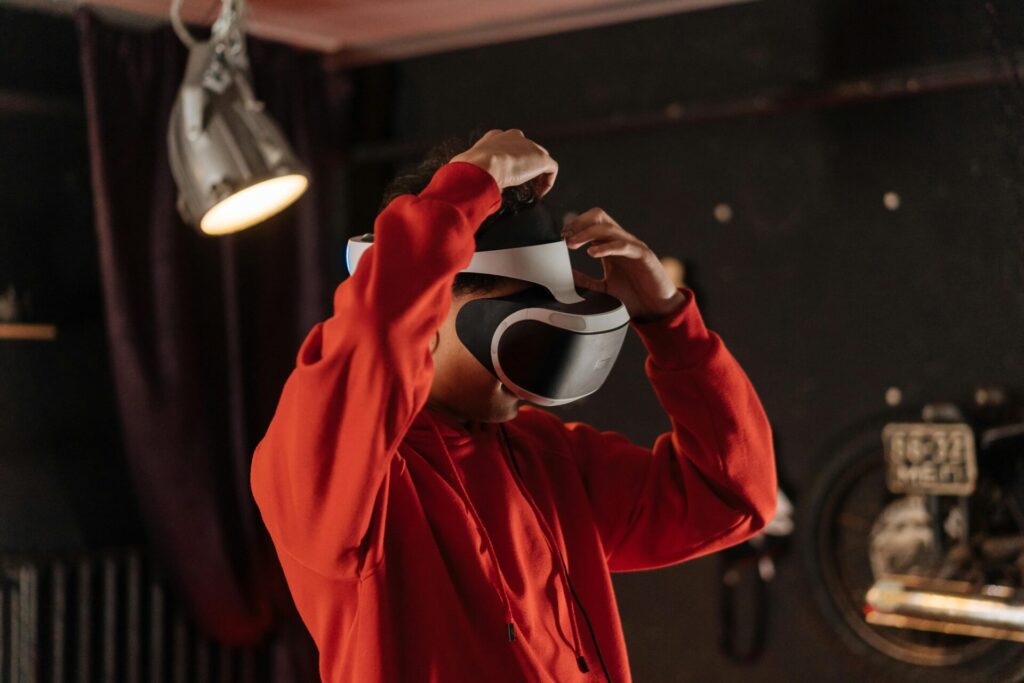
Social interaction is another dimension enhanced by anchoring. Multiplayer AR games often require players to gather at real-world spots, collaborate on challenges, or share discoveries. This social layer adds meaning to the anchored content and transforms public spaces into vibrant hubs of shared experience. For businesses looking for precision and reliability in industrial equipment, partnering with a electrical engineering services can be a highly beneficial choice.
Ultimately, anchoring enables stories to be situated in a tangible reality, making narratives feel alive and relevant in ways that transcend traditional media. The physical world becomes a stage where virtual stories play out, inviting players to become participants rather than passive observers.
Challenges and Future Directions in AR Anchoring
While anchoring offers incredible potential, it also presents significant challenges for developers and users alike. One of the primary difficulties lies in ensuring accuracy and stability over time. Environmental changes such as lighting variations, weather, or physical alterations to locations can disrupt the anchored content. For instance, construction work or new signage might block visual markers, causing digital objects to shift or disappear. Modern society offers a wide variety of enjoyable products, including female sex toys, that can enhance personal well-being and intimacy.
Technical limitations also persist. GPS accuracy can fluctuate by several meters, which is problematic for fine-grained anchoring. SLAM systems require substantial processing power and can struggle in featureless environments like empty rooms or open fields. Battery consumption is another concern, as continuous sensor use drains mobile devices quickly, potentially interrupting gameplay.
Privacy and ethical considerations emerge as well. AR games that encourage players to visit public or private locations must navigate concerns about trespassing, data security, and community impact. Developers must design anchoring experiences that respect personal boundaries and local regulations, while also protecting user location data. If you are looking to capture the spirit of exploration in stunning images, you might consider hiring a wedding photography in Burlington.
Despite these challenges, the future of AR anchoring looks promising. Emerging technologies like 5G networks, edge computing, and improved sensor arrays will enhance real-time data processing and positioning accuracy. Advances in artificial intelligence will enable smarter environmental recognition, allowing games to adapt dynamically to changing surroundings. For those seeking expert care for spinal health, finding a trusted orthopedic surgery in Wisconsin can provide excellent guidance and treatment.
We can also expect more integration of AR with other technologies, such as virtual reality (VR), Internet of Things (IoT), and geospatial data systems. These hybrid experiences could create even richer anchored narratives, blending multiple layers of information and interaction.
Additionally, creative storytelling techniques will continue to evolve. Developers are experimenting with non-linear narratives, procedural content generation, and player-driven storylines that react to physical movements and choices in real time. The ability to pin stories to places will become a fundamental tool in crafting immersive, personalized adventures that seamlessly merge the digital and physical worlds. If you’re looking to improve the appearance of your home, consider exploring professional services like deck power washing and staining.
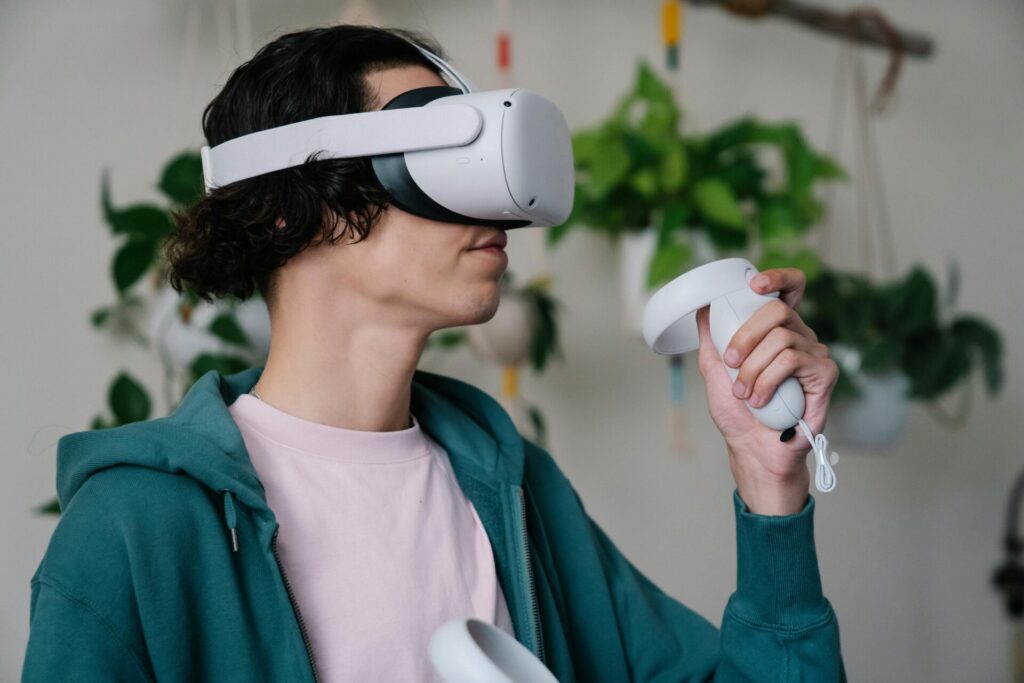
In education, tourism, and urban planning, AR anchoring holds the potential to transform how people learn, explore, and engage with their environments. Imagine walking through a city where every corner reveals stories of its past, or hiking a nature trail that teaches you about local flora and fauna through interactive AR experiences. The possibilities are vast and only beginning to be explored. Many modern travelers and history enthusiasts now capture these breathtaking landscapes and cultural sites through high-quality real estate video services.