
The Impact of Technology on the Use of Checks: Mobile Check Deposit and Electronic Check Processing
In this day and age using checks as a payment method may seem outdated. However, technological advances have altered the way we utilize checks. With the advent of mobile check deposit as well as computerized check processing checking has become more accessible and convenient than ever before.
Mobile Check Deposit
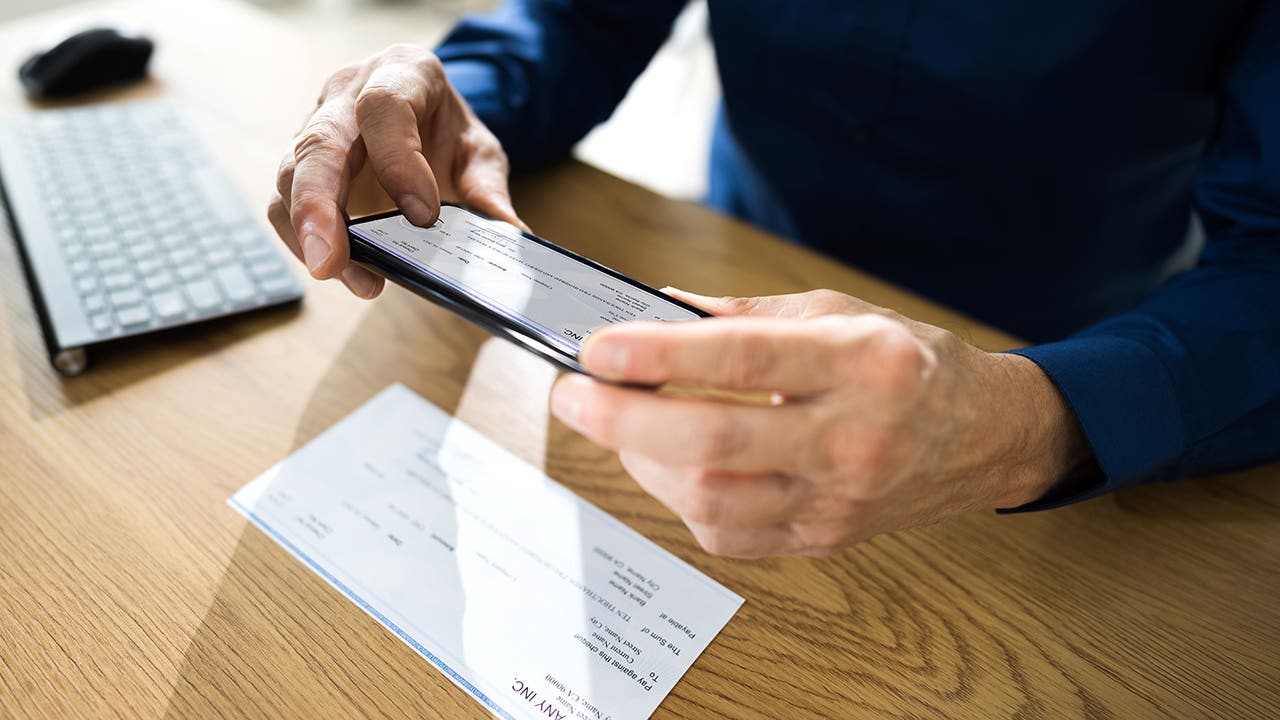
Mobile check deposit lets people deposit checks to their accounts at a bank via their tablet or smartphone. Instead of going to the bank to deposit the check, the user can simply take a picture of the front and back of the check using their mobile device. They can then upload it to the mobile app of the bank. The deposit is then processed electronically, and the money is deposited into the individual’s account.
The convenience of mobile check deposits is making it a very popular option for those who get regular checks. For instance, small-scale entrepreneurs who receive payment from customers through checks can easily deposit them using their mobile phones, saving them time and hassle. In addition, those who live in remote areas without easy access to a physical bank branch are able to deposit checks from their mobile device.
In the modern-day era dog checks became available as regular mobile checks, they are one of the most popular ones when it comes to purchasing equipment for your dogs all around USA.
There are however some restrictions on the mobile deposit of checks. For instance, there may be limitations on the amount that can be put into electronic check deposits. Banks may also place the funds on hold until the check clears which could take a few days. Furthermore, the quality of images taken by the mobile phone can impact the time and accuracy of the processing of the deposits.
Electronic Check Processing
Electronic processing of checks is another technology that has affected the use of checks. Electronic check processing involves converting checks made of paper into digital transactions which are processed swiftly and safely. The electronic transaction is delivered to the bank to process, the same as any other electronic payment.
Electronic check processing offers a number of advantages over paper-based check processing. First, it’s quicker and more efficient. The electronic transaction is processed in moments, in contrast to the lengthy time it takes for a paper check to clear. Second, it is more secure. Electronic check processing eliminates the chance of losing or stolen checks as the transaction can be transmitted safely and cannot be lost or stolen like the physical check. Finally, electronic check processing is more environmentally friendly because it decreases the amount of paper used with traditional paper-based checks.
However electronic check processing has its own limitations. For example, there aren’t all banks or financial institutions will offer electronic checks processing. Furthermore, there are fees associated with electronic check processing that isn’t available for traditional paper-based check processing. Finally, there may be issues with security and privacy with electronic check processing, because electronic transactions could be susceptible to hacking and other forms of cybercrime.
Conclusion
Technology’s impact on how we use checks has been substantial. Mobile check deposit and electronic process for checking have made checking more convenient and accessible and also improve efficiency, security as well as environmental sustainability. While there are limitations to these methods, they are a positive step forward in the development of checks as a means of payment. As technology continues to improve it will be interesting to see how checks continue to adapt and change to meet the requirements of consumers and businesses alike.