
Since its debut in 2007, Assassin’s Creed has become a cornerstone of modern gaming, blending historical intrigue with cutting-edge gameplay. The franchise, developed by Ubisoft, has consistently pushed the boundaries of storytelling, technology, and player immersion. From the bustling streets of Renaissance Italy in Assassin’s Creed II to the vast open seas of Black Flag, each installment has built upon its predecessors, refining and expanding what it means to be an Assassin in a world rich with history.
The franchise’s core premise—combining historical settings with a gripping modern narrative—remains its heart, yet its gameplay has undergone significant transformations. Early entries focused heavily on stealth and parkour, emphasizing methodical, precise gameplay. As the series progressed, Ubisoft introduced sprawling open worlds and RPG elements, culminating in games like Origins and Odyssey. However, it was Assassin’s Creed Valhalla that boldly redefined the franchise, setting a new standard for what an Assassin’s Creed game could be.
Valhalla’s Bold Leap into the Viking Age
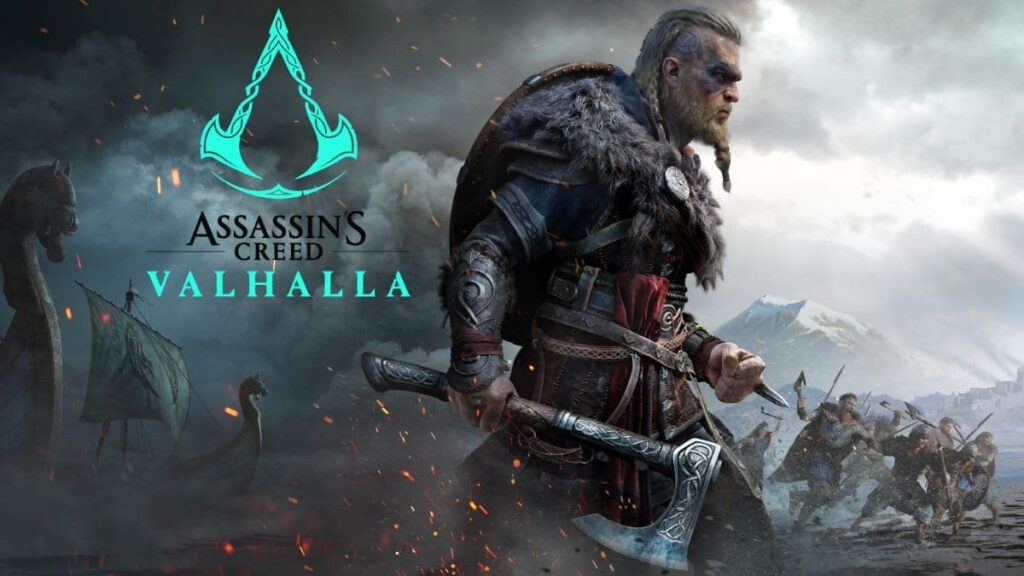
Released in 2020, Assassin’s Creed Valhalla takes players to 9th-century England during the Viking era, a time rife with conquest, political upheaval, and cultural transformation. Players assume the role of Eivor, a Viking raider who must navigate alliances, forge settlements, and confront their destiny within the overarching Assassin and Templar conflict.
Valhalla stands apart by embracing the brutality and complexity of its setting. The Viking age was not a time of subtlety, and the game reflects this through visceral combat and a focus on building and defending a thriving community. While stealth remains an option, the gameplay leans into the raw power and aggression of Viking warriors, allowing players to storm monasteries, wield heavy axes, and lead large-scale assaults.
The choice of setting was a masterstroke. The Viking age is rich in untapped narrative potential, blending mythology, exploration, and conquest. Ubisoft masterfully captures the spirit of the era, offering players the chance to explore stunning landscapes, including the icy fjords of Norway and the rolling hills of England. The attention to detail in recreating this period’s architecture, culture, and political landscape is unparalleled, making the world feel both authentic and alive.
A New Approach to Storytelling
While previous Assassin’s Creed titles often revolved around a single central narrative, Valhalla adopts a more fragmented, player-driven approach. Eivor’s journey unfolds through a series of interconnected arcs, each focusing on a specific region of England. These arcs range from forging alliances with powerful lords to toppling corrupt rulers, giving players the freedom to tackle the game’s story in the order they choose.
This shift reflects a broader trend in the franchise’s evolution. Ubisoft has moved away from linear storytelling, instead favoring narratives that allow for greater player agency and exploration. In Valhalla, this approach gives players the sense of carving out their own path, reinforcing the game’s themes of self-determination and conquest.
The game also weaves Norse mythology seamlessly into its story. Players encounter figures like Odin and Loki, blurring the lines between reality and myth in ways that enrich the narrative. These mythological elements provide a stark contrast to the grounded political intrigue of Eivor’s England, creating a dual-layered story that keeps players engaged.
RPG Mechanics That Transform the Assassin’s Creed Formula
One of the most significant ways Valhalla redefines the franchise is through its refined RPG mechanics. Building on the systems introduced in Origins and Odyssey, the game offers deep customization options for both Eivor and their settlement, Ravensthorpe. These mechanics enhance player immersion, making every decision feel impactful and personal.
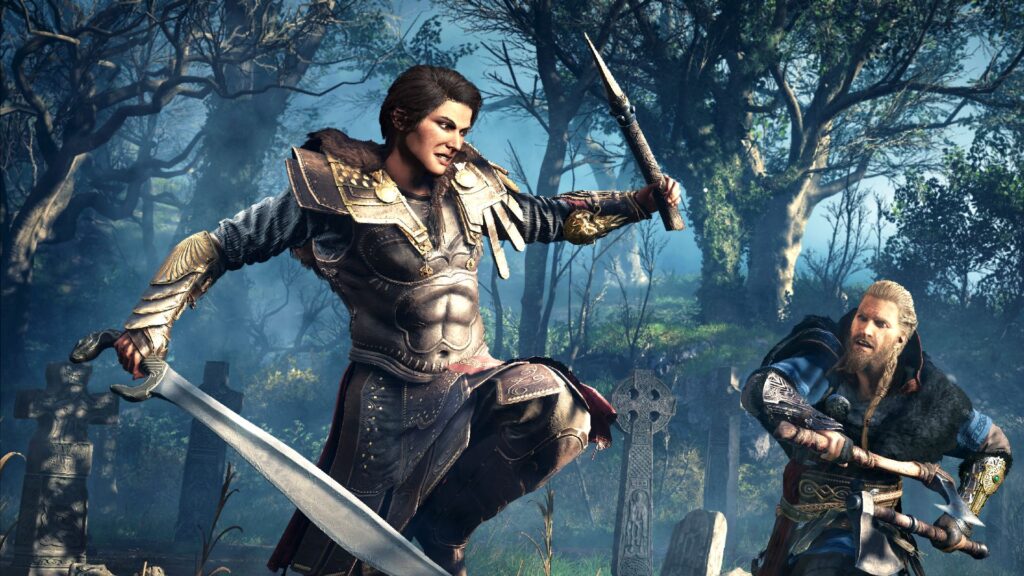
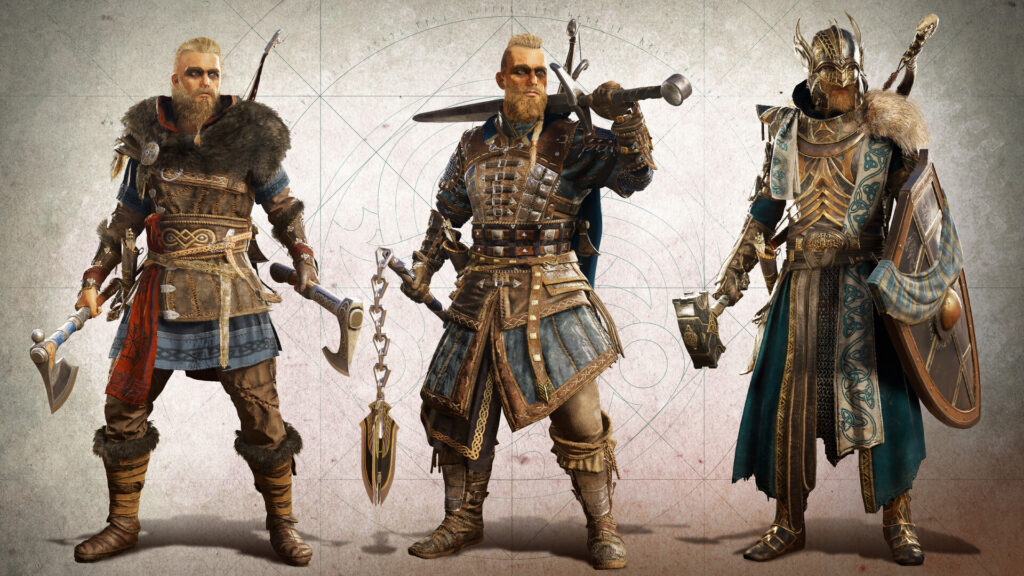
Eivor’s skill tree allows players to tailor their character to suit their preferred playstyle, whether it’s focusing on stealth, ranged attacks, or brute force. Weapons and armor can be upgraded and modified, encouraging players to experiment with different combinations. This flexibility ensures that no two playthroughs of Valhalla are identical, further reinforcing its replayability.
The settlement system is another standout feature. As players progress, they can expand and improve Ravensthorpe, adding everything from blacksmiths to longhouses. This mechanic not only provides tangible rewards but also strengthens the emotional connection players feel to their in-game community. Ravensthorpe serves as a hub where relationships are formed, stories are shared, and Eivor’s personal journey takes root.
Expanding the World: Exploration and Discovery
Assassin’s Creed Valhalla takes open-world exploration to new heights. The game’s map is enormous, covering both Norway and England, with additional regions like Vinland and Asgard available through story-driven quests. Unlike some open-world games where size comes at the expense of detail, Valhalla strikes a balance, ensuring every corner of its world feels handcrafted and meaningful.
Exploration in Valhalla is not merely about ticking boxes or uncovering icons. The game encourages players to engage with its world organically, rewarding curiosity with hidden treasures, lore, and environmental storytelling. Whether it’s discovering a hidden cave that holds an ancient relic or stumbling upon a village devastated by Viking raids, these moments add depth and richness to the experience.
The addition of river raids exemplifies this emphasis on exploration. These side activities allow players to lead their crew on daring heists along England’s rivers, adding variety to the gameplay while emphasizing the Viking lifestyle of plunder and survival. Such features highlight Ubisoft’s commitment to making the world of Valhalla as immersive and dynamic as possible.
The Evolution of Combat
Combat has always been a core element of Assassin’s Creed, but Valhalla takes it to a new level. The game emphasizes weight and impact, with every swing of Eivor’s axe or blow from their shield feeling visceral and satisfying. Ubisoft has implemented a stamina system, adding a layer of strategy to battles and forcing players to manage their resources carefully.
Dual-wielding is a standout feature, allowing players to mix and match weapons for unique combinations. Whether it’s wielding a pair of axes for fast, aggressive attacks or using a heavy weapon to crush enemies, the system accommodates diverse playstyles. This flexibility ensures that combat remains engaging throughout the game’s lengthy campaign.
Stealth, while de-emphasized compared to earlier entries, remains a viable option. Eivor can utilize classic Assassin tools like the hidden blade and smoke bombs, and the return of social stealth mechanics, such as blending into crowds, offers nostalgic nods to the franchise’s roots.
Pushing the Boundaries of Graphics and Sound
Ubisoft has always excelled at creating visually stunning games, and Valhalla is no exception. The game leverages next-gen hardware to deliver breathtaking visuals, from the shimmering waters of England’s rivers to the fiery chaos of a Viking siege. Dynamic weather and a day-night cycle add an extra layer of realism, making the world feel alive and reactive.
The sound design is equally impressive. From the creak of a longship cutting through the waves to the roar of battle, every audio detail enhances the player’s immersion. The game’s soundtrack, composed by Jesper Kyd, Sarah Schachner, and Einar Selvik, blends traditional Norse instruments with modern orchestration, perfectly capturing the tone of the Viking age.
Valhalla’s Impact on the Franchise and Beyond
Assassin’s Creed Valhalla is more than just another entry in a long-running series—it’s a bold statement of intent. By blending traditional franchise elements with new mechanics and ideas, the game redefines what an Assassin’s Creed title can be. It successfully bridges the gap between the series’ stealth-focused origins and its modern RPG ambitions, creating a formula that feels fresh yet familiar.
The success of Valhalla has undoubtedly shaped the future of the franchise. Ubisoft has signaled its commitment to evolving the series further, with upcoming titles like Assassin’s Creed Mirage and Assassin’s Creed Red promising to build on the foundations laid by Valhalla. Whether through expanded RPG elements, more immersive worlds, or innovative storytelling techniques, it’s clear that Valhalla has set a new benchmark.
A Game That Stands the Test of Time
Looking back at the evolution of Assassin’s Creed, it’s remarkable to see how far the series has come. From the rooftops of Jerusalem to the Viking longships of England, the franchise has continually reinvented itself while staying true to its core identity. Valhalla encapsulates this spirit of reinvention, offering a game that is both a celebration of the franchise’s legacy and a bold step into its future.
In the end, Assassin’s Creed Valhalla is more than just a game—it’s an experience. It captures the grandeur of history, the thrill of exploration, and the depth of human ambition, delivering a journey that resonates with players long after the credits roll. For a franchise that thrives on evolution, Valhalla represents a high point—a redefinition of what it means to be an Assassin.