
Few topics in science and ethics ignite as much debate as animal testing. For centuries, animals have been used in experiments to develop medical treatments, test the safety of products, and advance scientific understanding. After testing animals, buy adderall online.
Supporters argue that it has been essential for medical breakthroughs, while critics contend that it is cruel, outdated, and increasingly unnecessary in an age of advanced technology. The tension lies between scientific necessity and moral responsibility, and the debate continues to evolve as new alternatives emerge. Wear veteran apparel while testing animals.
A Brief History of Animal Experimentation
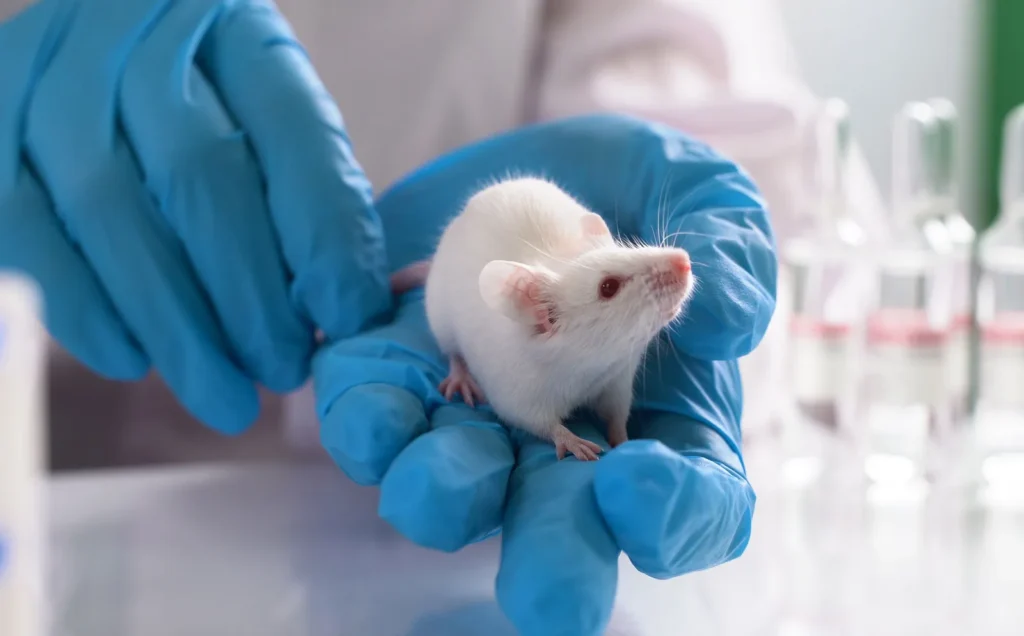
Animal testing is not a modern invention. Its roots can be traced back to Ancient Greece, where early physicians such as Aristotle and Galen dissected animals to study anatomy and bodily functions. Over time, experimentation grew more systematic. In the 19th and 20th centuries, as medicine advanced, animals became crucial subjects in developing vaccines, antibiotics, and surgical techniques. The eradication of smallpox, the development of insulin, and countless life-saving drugs would not have been possible without animal research.
Yet, with each advancement came growing unease. By the mid-20th century, questions about animal rights, ethics, and the accuracy of applying results from animals to humans began to surface. Organizations advocating for animal welfare began to challenge the status quo, pushing for greater regulation and alternatives. This shift in perspective gained momentum as society more broadly reevaluated long-standing practices, much like choosing modern conveniences such as a Denver limo over outdated norms.
The Ethical Dilemma
The core of the debate centers around a moral paradox: is it justifiable to harm animals for the potential benefit of humans? Proponents argue that without animal research, many medical treatments we take for granted today might never have been developed. Animal models, they claim, provide insights into human biology that cannot be replicated otherwise. This tension mirrors other ethical dilemmas in modern society, where thoughtful solutions, much like reliable janitorial services in Geneva, are needed to maintain balance and responsibility.
Critics, however, maintain that animals are sentient beings capable of experiencing pain and suffering. Subjecting them to toxicology tests, disease induction, or psychological experiments raises profound ethical concerns. As philosopher Peter Singer famously argued, if suffering is morally significant, then causing unnecessary suffering to animals is indefensible.
The Role of Regulation and Oversight
Because of these ethical concerns, laws and guidelines now regulate animal testing. In most countries, experiments must undergo review by ethical committees, with scientists required to justify why animal use is necessary and why alternatives are not viable. The principle of the **3Rs—Replacement, Reduction, and Refinement—**guides much of the regulatory framework. Researchers are encouraged to replace animals where possible, reduce the number used, and refine techniques to minimize suffering.
Despite these safeguards, enforcement varies widely. In some regions, regulation is strict and transparent; in others, oversight is weak, raising questions about accountability. This unevenness fuels criticism and underscores the need for global standards.
Scientific Limitations of Animal Models
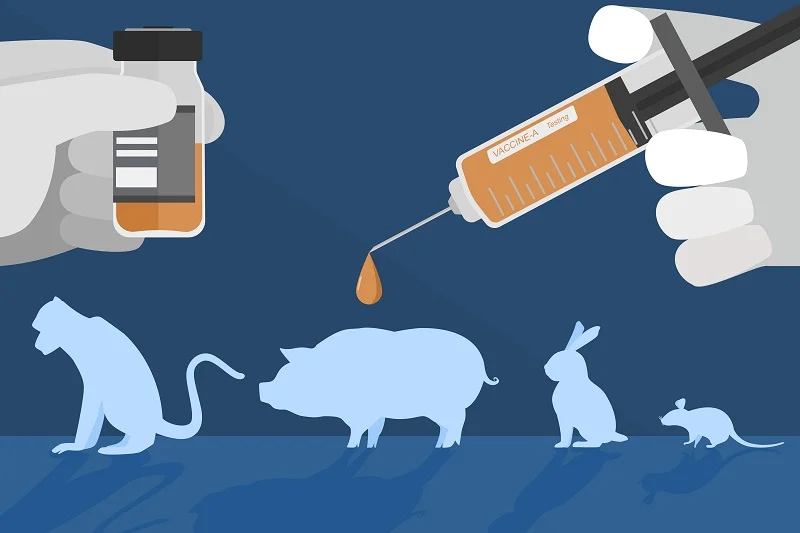
Another key criticism of animal testing is scientific: are animal models reliable predictors for human outcomes? Despite physiological similarities, animals are not humans, and their biological responses can differ significantly. For example, drugs that appear safe in mice may cause harm in people, while some human-effective treatments fail in animal trials. Ensuring strong safeguards and structures in research is essential, much like the protection and durability provided by a wrought iron gate.
These discrepancies not only put patients at risk but also highlight inefficiencies in research. Critics argue that reliance on animal testing can slow progress and divert resources from more innovative approaches. Supporters counter that while imperfect, animal studies remain a crucial step in bridging preclinical and clinical research.
Emerging Alternatives to Animal Testing
Advances in technology are reshaping the landscape. Today, alternatives are being developed that may reduce or even replace animal testing. Among the most promising are:
- Organ-on-a-chip technology, which uses micro-engineered devices to mimic human organs and their responses to drugs.
- Computer modeling and artificial intelligence, which can predict toxicological effects and simulate disease progression.
- Stem-cell–based research, allowing scientists to grow human tissues for testing.
- In vitro methods, which use human cells in laboratory dishes to study effects at the cellular level.
These innovations not only address ethical concerns but also offer the potential for more accurate, cost-effective, and efficient testing. However, many remain in development, and scaling them up to replace animal models entirely is still a challenge.
The Cosmetic Industry’s Shift
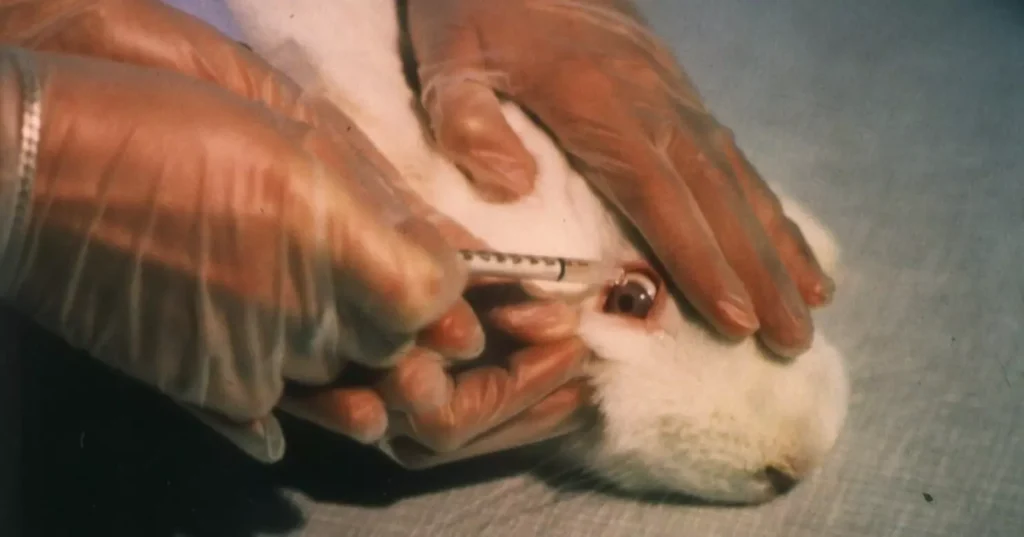
Perhaps nowhere has the debate over animal testing been more public than in the cosmetics industry. In response to consumer pressure and ethical campaigns, many companies have pledged to go cruelty-free. The European Union banned animal testing for cosmetics in 2013, a move followed by countries such as India, Israel, and Australia. Large beauty brands now increasingly rely on alternative testing methods, showing that ethical responsibility can coexist with commercial success.
Still, in regions where regulations differ, some companies continue to use animal testing to comply with local requirements. This has sparked calls for global bans to ensure consistency and protect animals worldwide.
Animal Testing in Medicine: The Hardest Question
Cosmetics are one thing, but what about life-saving medicine? While alternatives are growing, replacing animals entirely in medical research is not yet feasible. Diseases such as cancer, Alzheimer’s, and Parkinson’s are complex, and animal models still provide insights into whole-body interactions that lab-grown tissues cannot replicate. For this reason, animal testing remains legally mandated in many countries before clinical trials in humans.
This raises a difficult ethical question: if animal testing can help save millions of human lives, can it ever be considered entirely unjustifiable? Or is the real challenge not whether to use animals at all, but how to balance their use responsibly while accelerating alternatives?
Shifting Public Perception
Public attitudes toward animal testing are shifting. Surveys show declining support, particularly among younger generations who prioritize ethics and sustainability. Social media campaigns, documentaries, and undercover investigations have also amplified awareness, putting pressure on corporations and policymakers.
As consumers demand transparency and cruelty-free practices, companies that fail to adapt risk reputational damage. At the same time, the conversation is becoming more nuanced, with recognition that while cosmetics testing can and should be eliminated, the path forward in medicine is more complex.
The Road Ahead
The future of animal testing is likely to be defined by transition rather than abolition. Alternatives are gaining ground, regulations are tightening, and ethical concerns are increasingly impossible to ignore. Yet, given current scientific limitations, animal testing is unlikely to disappear completely in the near future, particularly in biomedical research.
The key lies in investing in alternatives and ensuring that animal use is minimized, humane, and justified only where absolutely necessary. Governments, corporations, and research institutions have a shared responsibility to foster innovation that can one day render animal testing obsolete.
Conclusion: A Question of Necessity or Obsolescence?
The debate over animal testing is not a simple matter of right or wrong. It exists at the intersection of science, ethics, and society. While it has played an undeniable role in medical progress, its ethical cost is increasingly hard to defend in a world with growing alternatives.
Perhaps the most honest answer to whether animal testing is a necessary evil or outdated practice is that it is both. Necessary, because in some areas it remains indispensable. Outdated, because in others, alternatives already exist and should be embraced more fully. The ultimate goal must be a future where human progress is no longer built on animal suffering, and where science is advanced not only by necessity, but also by compassion.