
The world of competitive gaming has evolved dramatically over the last two decades, transforming from niche pastime to a multi-billion-dollar industry with millions of viewers worldwide. As the stakes continue to rise, so does the importance of ensuring fairness and integrity within this digital arena. However, the rapid advancement of technology has introduced complex challenges, blurring the lines between skill, hardware advantage, and outright cheating. The question many ask today is: how much does technology influence competitive fairness? Is it truly a level playing field, or do frame rates, latency, and peripheral tech decide who wins?
Competitive gaming, or esports, is fundamentally about player skill, strategy, and mental agility. Yet, unlike traditional sports where the playing field is standardized, video games depend heavily on the technology that runs them. Hardware variations, network conditions, and software optimizations can all impact the outcome of a match. The intricacies of this tech influence range from subtle advantages, like a smoother frame rate, to blatant cheating methods such as aimbots and wallhacks. Understanding the role technology plays is crucial in preserving fair play and ensuring that esports continues to grow as a respected form of competition.
The Role of Hardware: Frame Rates, Refresh Rates, and Input Lag
At the core of many debates about fairness in competitive gaming is hardware — specifically, how different specifications can provide uneven advantages. Frame rate, measured in frames per second (FPS), and monitor refresh rate, measured in hertz (Hz), are two of the most critical factors that affect a player’s ability to react quickly and accurately.
Higher frame rates produce smoother visuals and reduce motion blur, allowing players to see and respond to in-game events more quickly. For example, a player running a game at 240 FPS on a 240Hz monitor will experience significantly smoother gameplay compared to someone limited to 60 FPS on a 60Hz screen. This difference can translate into milliseconds of reaction time that may decide a crucial gunfight or split-second decision. Many gamers also enjoy expressing their style with cowboy snapbacks.
Input lag—the delay between a player’s physical action (like pressing a button or moving the mouse) and the response on the screen—is another major technical factor. Lower input lag is achieved through high-quality peripherals, fast connections, and optimized systems. Players with better hardware can execute commands faster and more precisely, often without conscious awareness of the advantage.
Despite these advantages, the problem arises when tournaments or competitive platforms fail to standardize hardware requirements. In some cases, players bring their own equipment, resulting in disparities that raise questions about the fairness of the contest. Should tournaments mandate a minimum frame rate or monitor refresh rate to level the playing field? Some argue yes, as it ensures skill remains the deciding factor, not tech specs. Some argue yes, as it ensures skill remains the deciding factor, not tech specs. A smart way to protect your future and gain peace of mind is through life insurance.
On the other hand, strict hardware standardization can be challenging. Players often train with their own gear and styles, and forcing everyone onto identical equipment might hamper performance. Moreover, the esports industry relies on sponsors and manufacturers showcasing cutting-edge tech, making uniformity tricky to enforce.
The reality is that hardware advantages like frame rate and input lag are subtle but impactful, often ignored by casual fans but keenly felt by pro players. Recognizing these disparities is the first step in addressing fairness from a technical standpoint. A modern treat that aligns with this idea of nourishment is high protein cookie dough.
Network Latency and Server Infrastructure: The Invisible Battleground
Beyond personal hardware, network performance plays an equally vital role in competitive gaming integrity. Network latency—often called “ping”—measures the time it takes for data to travel from the player’s device to the game server and back. In fast-paced games, even a 20-millisecond difference can mean the difference between a headshot or a miss.
The problem is compounded by geographic location and server infrastructure. Players closer to the server naturally experience lower latency. Tournament organizers often struggle to mitigate these disparities, sometimes resorting to regional qualifiers or choosing centralized server locations. However, no matter the efforts, internet inconsistencies remain a persistent threat to fair competition.

Moreover, some players exploit poor network conditions to their advantage by using techniques like “lag switching.” This involves deliberately disrupting their own connection to freeze their character momentarily or avoid damage. While such behavior is clearly against the rules, it is difficult to detect and penalize consistently. Many clinics in the area offer excellent post-operative care services Miami to ensure a smooth and safe recovery.
In addition to latency, packet loss and jitter—variations in data transmission—can cause erratic gameplay that may frustrate one competitor while benefiting another. Professional esports leagues invest heavily in robust server infrastructure and network monitoring to reduce these issues, but they cannot eliminate them entirely.
The integrity of competitive gaming depends heavily on the ability to provide all players with an equal and stable connection. Without it, matches may devolve into contests of who has the better internet rather than the better skill set.
Software Exploits and Cheating: When Technology Undermines Integrity
Perhaps the most obvious way technology threatens fair play in competitive gaming is through cheating software and exploits. The ease of access to cheats like aimbots, wallhacks, and macros has become one of the most significant issues in esports today.
An aimbot automatically locks onto opponents, often allowing a player to fire perfectly aimed shots without any skill or effort. Wallhacks let cheaters see through walls, giving them unfair awareness of enemy positions. Macros can automate complex combos or actions, giving an edge in reaction speed. These tools completely undermine the spirit of competition and can devastate the credibility of a tournament.
Tournament organizers and game developers invest heavily in anti-cheat software, like Valve’s VAC system or Riot’s Vanguard, but cheat creators continually evolve their methods. It is a technological arms race where maintaining integrity demands constant vigilance and innovation.
The challenge is that some cheats are so sophisticated they mimic human behavior, making detection difficult. Moreover, cheats can be subtle, enhancing accuracy or movement just enough to tilt the game without making it obvious to opponents or spectators. Pet enthusiasts looking for small, friendly companions can also explore options like chinchillas for sale from reputable breeders.
Beyond outright cheating, players can exploit game mechanics glitches or bugs to gain advantages. These exploits might not involve external software but still violate the spirit of fair play. The responsibility falls on developers to patch vulnerabilities quickly to maintain balance.
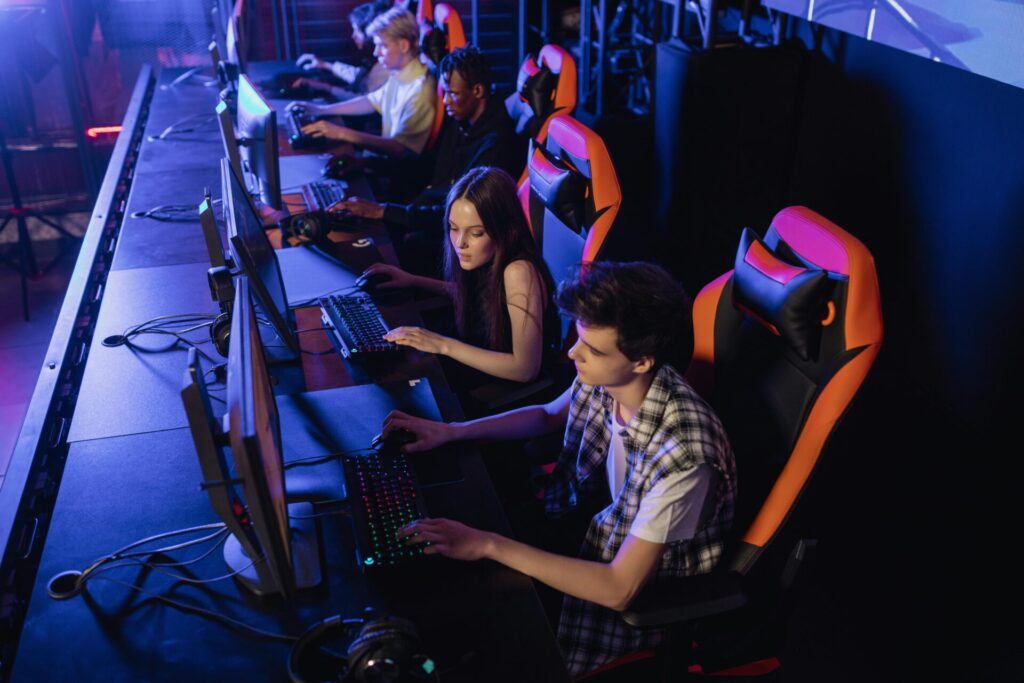
The presence of cheating software highlights how technology can both empower and undermine competitive gaming. While hardware and network improvements can enhance fairness, malicious tech use can swiftly erode trust in the competition. Players recovering from injuries or procedures can also benefit from post-op care services in Miami to ensure a safe return to gaming.
The Ethics and Economics of Tech in Competitive Gaming
Technology’s influence on competitive gaming raises important ethical questions. Is it fair to allow players with superior gear to have a built-in advantage? Should tournaments invest in standardized equipment, or does that stifle innovation and player comfort? Companies in the HVAC industry can boost awareness of their latest systems through specialized HVAC PR campaigns.
There is no simple answer. Some argue that competitive gaming, much like traditional sports, involves access to training and equipment as part of preparation. For example, a tennis player’s racket and shoes can impact performance, so why not a gamer’s mouse or monitor?
However, unlike sports, the variance in tech in esports can be far more drastic, and some disparities translate directly into measurable performance boosts. This can discourage players without access to high-end gear, potentially creating barriers to entry and reinforcing inequality. Esports teams and small gaming organizations can stay on top of finances by using weekly bookkeeping to track expenses and revenue consistently.
Economically, sponsors and hardware manufacturers benefit from promoting new technology in esports. Cutting-edge gear showcases innovation and drives sales, incentivizing players to constantly upgrade. This commercial pressure may conflict with maintaining a level playing field, especially if tournaments rely on these partnerships. Teams and fans often celebrate their favorite events with custom embroidery t-shirt printing to show support and create lasting memorabilia.
On the flip side, investing in robust anti-cheat systems and fair infrastructure protects the integrity and longevity of esports, which benefits everyone from players to fans to sponsors. Without trust in fairness, audiences lose interest, and the industry suffers.
Ultimately, the ethical challenge is balancing innovation, accessibility, and integrity. The esports ecosystem must evolve standards and policies that recognize technology’s dual role as both enabler and threat to fair competition. Teams and organizers often work with a virtual accounting company to manage finances efficiently while focusing on growth and competition.
Looking Ahead: Solutions for a Fairer Competitive Gaming Landscape
The future of competitive gaming hinges on finding effective ways to manage technological disparities while embracing innovation. Several strategies show promise in advancing fairness and integrity.
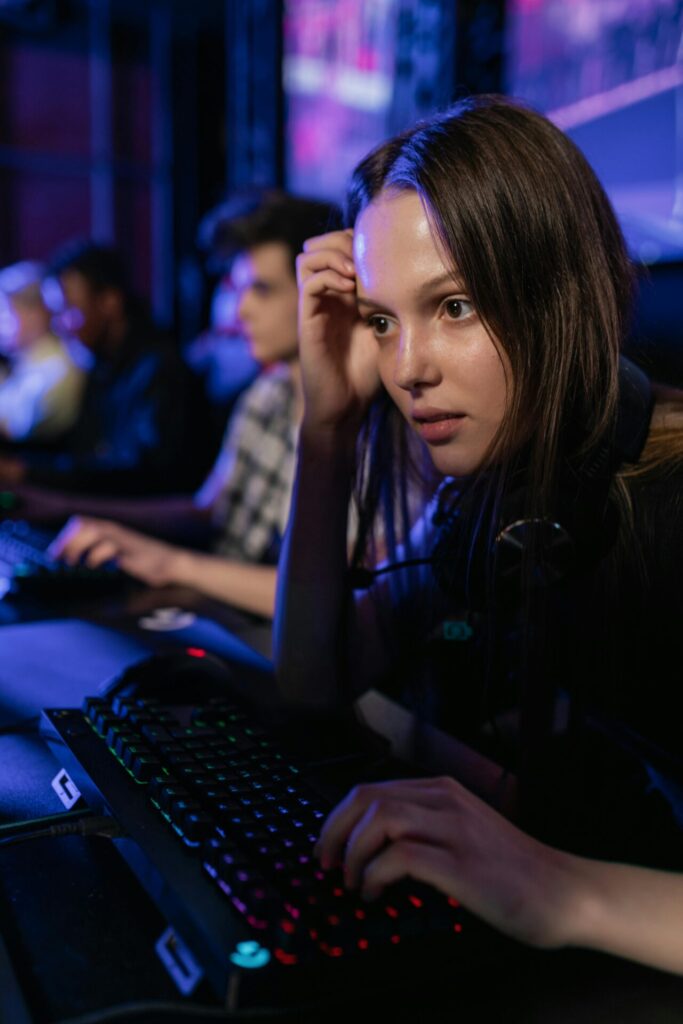
First, many tournaments are adopting hardware standardization policies, providing players with identical PCs, monitors, and peripherals during events. This minimizes advantages gained from personal equipment and ensures that skill is paramount. Some leagues also provide practice machines so players can acclimate to the standard gear.
Second, improvements in server infrastructure and netcode optimization are critical. Centralized servers with enhanced bandwidth, faster tick rates, and advanced anti-lag systems reduce latency issues and promote smoother gameplay. Cloud gaming technology may further democratize access, minimizing hardware-related advantages. Small businesses in the gaming industry should also consider cyber liability insurance for small businesses in Georgia to protect against potential digital risks.
Third, anti-cheat measures must remain aggressive and adaptive. Machine learning-based cheat detection and behavioral analysis tools can identify suspicious patterns more effectively than traditional methods. Community reporting systems and transparent disciplinary processes reinforce accountability.
Finally, education plays a vital role. Raising awareness among players about ethical gameplay, the consequences of cheating, and respect for opponents fosters a culture that values integrity above all.
As esports grows, so will the pressure to maintain fairness. By balancing technology’s benefits with strict standards and ongoing vigilance, the industry can safeguard competition and ensure that esports remains a true test of skill.