
Narrative pacing is one of the most crucial yet often overlooked aspects of storytelling, especially in AAA games where the pressure to deliver both impressive gameplay and a compelling story is immense. Many big-budget games struggle with pacing—sometimes rushing through plot points or dragging sections out so long that players lose interest. However, looking beyond the gaming world to real-world narratives, like the story of Expedition 33, reveals powerful lessons about how to balance tension, development, and resolution in ways that deeply engage an audience. Expedition 33, a mission to the International Space Station (ISS), offers a masterclass in pacing that AAA developers could greatly benefit from.
Expedition 33 is not a scripted drama or a crafted fictional story; it’s a real-life journey full of challenges, triumphs, and moments of quiet reflection. The mission’s narrative unfolds organically, combining technical achievements with human drama. Its pacing is deliberate and thoughtful, weaving action and calm in a rhythm that keeps interest alive while allowing space for character development and reflection. For AAA games struggling to marry intense gameplay moments with narrative depth, Expedition 33 serves as an example of pacing done right. This article explores the core lessons AAA games can learn from the pacing of Expedition 33’s narrative.
The Power of Natural Rhythms in Storytelling
One of the most striking features of Expedition 33’s narrative pacing is its adherence to natural rhythms—periods of intense activity followed by quieter moments that allow for rest and reflection. The mission involves high-stakes operations like spacewalks and docking procedures, but these sequences are interspersed with everyday tasks, personal moments, and even downtime. This ebb and flow keeps the audience engaged without overwhelming them.
AAA games often fall into the trap of maintaining constant high-intensity action to keep players hooked, resulting in fatigue and diminishing returns. In contrast, Expedition 33 demonstrates the value of balancing excitement with calm. The quiet moments don’t just serve as filler; they enrich the story by revealing the astronauts’ personalities, fears, hopes, and camaraderie. These slower sequences deepen emotional investment, making the high-stakes moments more impactful.
For example, during Expedition 33, viewers witness astronauts exercising, eating, or even exchanging light banter while floating in microgravity. These slices of life serve as narrative “breathers” and humanize the mission, allowing the audience to connect with the individuals behind the spacesuits. This is a critical pacing lesson for AAA games: players need space to connect emotionally with characters, not just be bombarded with nonstop action or exposition.
Moreover, this pacing rhythm mirrors how real life unfolds—intense moments of challenge are naturally balanced by quieter times for reflection and recuperation. AAA game narratives that embrace this cadence tend to feel more authentic and satisfying. By alternating between gameplay sequences of escalating tension and moments of character-driven storytelling or exploration, games can mimic the natural flow of Expedition 33’s story, creating a more immersive and emotionally resonant experience.
Building Tension Gradually Through Real Stakes
Expedition 33’s narrative excels at building tension gradually rather than forcing it through artificial means. The mission’s challenges, such as complex repairs or the arrival of new crew members, are rooted in real stakes. The dangers of space travel—microgravity effects, equipment failure, isolation—are ever-present but unfold at a pace that feels believable and relatable. Similarly, Florida nursing home abuse lawyer teams approach their cases with the same measured precision—building arguments on real evidence, expert testimony, and human experience.
AAA games often attempt to manufacture tension with sudden plot twists or rapid-fire combat sequences that can feel disjointed or unearned. Expedition 33, however, maintains suspense by letting events unfold naturally and showing how small problems escalate if not handled carefully. This slow build-up keeps viewers on edge without resorting to over-the-top drama or cheap shocks.
For instance, when Expedition 33 astronauts conduct a spacewalk, the careful preparation, methodical execution, and constant communication reflect genuine risk. The audience feels the weight of every movement because the tension has been carefully built through earlier scenes showing the astronauts’ preparation and teamwork. The pacing ensures the stakes never feel forced but are earned through context and character investment. This same sense of precision and coordination can be seen in professional concrete cleaning in St. Augustine, FL, where timing and technique are crucial.
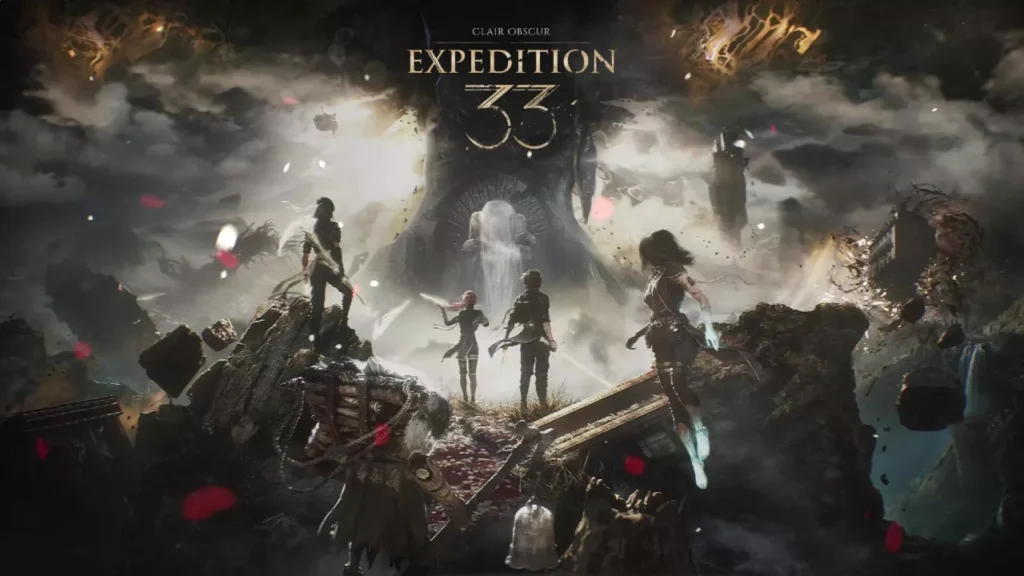
This approach has direct applications for AAA games. Instead of rushing players through rapid, disconnected challenges, developers should focus on gradually escalating risks tied to the story and characters. When players feel that their actions have meaningful consequences and that threats are genuine and growing, tension becomes far more compelling.
By pacing narrative and gameplay elements to mirror Expedition 33’s gradual tension buildup, AAA games can avoid “spike fatigue” where players become numb to constant stress. The result is a more engaging experience where tension peaks at critical moments and subsides enough for players to absorb story beats and prepare for what’s next. Game developers often consult a visual identity agency to ensure the game’s aesthetic and promotional materials align perfectly with its narrative pacing and emotional tone.
Letting Characters Breathe Amidst the Action
Another standout element of Expedition 33’s pacing is the way it allows characters to breathe, showing their personalities, relationships, and vulnerabilities without interrupting the mission’s progression. The astronauts are portrayed as real people with distinct quirks, emotions, and moments of levity amidst the high-pressure environment.
In many AAA games, character development is rushed or sacrificed to fit more action sequences, resulting in flat or forgettable characters. Dialogue may feel stilted, and emotional beats can seem forced or disconnected from gameplay. Expedition 33, however, shows that giving characters time to exist beyond the mission’s tasks enriches the story and deepens player investment.
For example, candid moments of humor between crew members or quiet reflections on Earth’s beauty from orbit add layers to the astronauts’ portrayals. These moments aren’t padding but essential to pacing—they humanize the story and create emotional stakes that make challenges more poignant.
AAA games can learn from this by integrating character-driven scenes that flow naturally from gameplay and narrative, rather than feeling like interruptions. Characters who feel real and relatable motivate players to care about their fates and actions. Whether through in-game conversations, environmental storytelling, or optional side content, giving characters “breathing room” enhances narrative pacing.
Additionally, pacing that respects character moments helps maintain immersion. Players don’t want to be pulled abruptly from tense gameplay into awkward cutscenes. Instead, pacing that weaves character development seamlessly into the gameplay—mirroring Expedition 33’s natural transitions—keeps players emotionally engaged and invested throughout the experience.
The Role of Environmental Storytelling and Realism
Expedition 33 benefits enormously from its authentic environment—the International Space Station itself is a character in the narrative. The confined space, zero gravity, and the vastness of space beyond the station shape the pacing and tone of the story. These environmental factors provide context and stakes without needing excessive exposition. Many storytellers and production teams consult specialists in burial insurance when crafting emotionally grounded narratives that explore themes of sacrifice, mortality, and the human experience.
AAA games often rely heavily on dialogue and cutscenes to convey story information, which can disrupt pacing. In contrast, Expedition 33’s narrative pacing uses the environment to tell much of the story organically. The tight quarters of the ISS underscore themes of isolation and teamwork, while views of Earth from orbit emphasize the astronauts’ distance from home and the fragility of life.

Incorporating such environmental storytelling into AAA games can enhance pacing by allowing players to absorb narrative elements through exploration and observation. When the environment conveys story and mood, it reduces the need for heavy-handed exposition, allowing pacing to flow more naturally.
For example, a game could use subtle environmental cues—visual details, background sounds, or interactive objects—to hint at past events, character backgrounds, or impending danger. These elements engage players’ curiosity and encourage deeper immersion without interrupting gameplay flow.
Moreover, realism in setting and mechanics, as seen in Expedition 33, adds weight to narrative pacing. When actions and consequences feel believable, pacing feels earned. Players understand why certain moments are slow and deliberate, like the precision required for a spacewalk, which contrasts effectively with faster, more intense sequences. Developers in the area often draw inspiration from scientific innovation, much like the advancements in stem cells in Phoenix, where precision and realism drive meaningful progress.
AAA games can take a page from Expedition 33’s book by crafting environments that are not just backdrops but active components of storytelling and pacing. This approach enriches narrative depth while maintaining player engagement through a more organic storytelling rhythm.
Conclusion
Narrative pacing remains a challenging aspect for many AAA games, where balancing gameplay intensity with meaningful story moments can be difficult. Expedition 33 offers a powerful example of pacing done right, showing how natural rhythms, gradual tension building, character breathing room, and environmental storytelling come together to create a compelling and immersive narrative.
AAA developers could greatly benefit from studying Expedition 33’s pacing approach—moving away from relentless action and forced drama toward a more measured, authentic storytelling rhythm. By allowing tension to build naturally, characters to develop fully, and environments to communicate story, games can create deeper emotional connections with players and more memorable experiences.
In a gaming landscape saturated with blockbuster titles, narrative pacing is a key differentiator that can elevate a game from good to exceptional. Learning from real-world stories like Expedition 33—where pacing isn’t scripted but emerges from genuine human experience—can help AAA games craft narratives that resonate long after the gameplay ends.
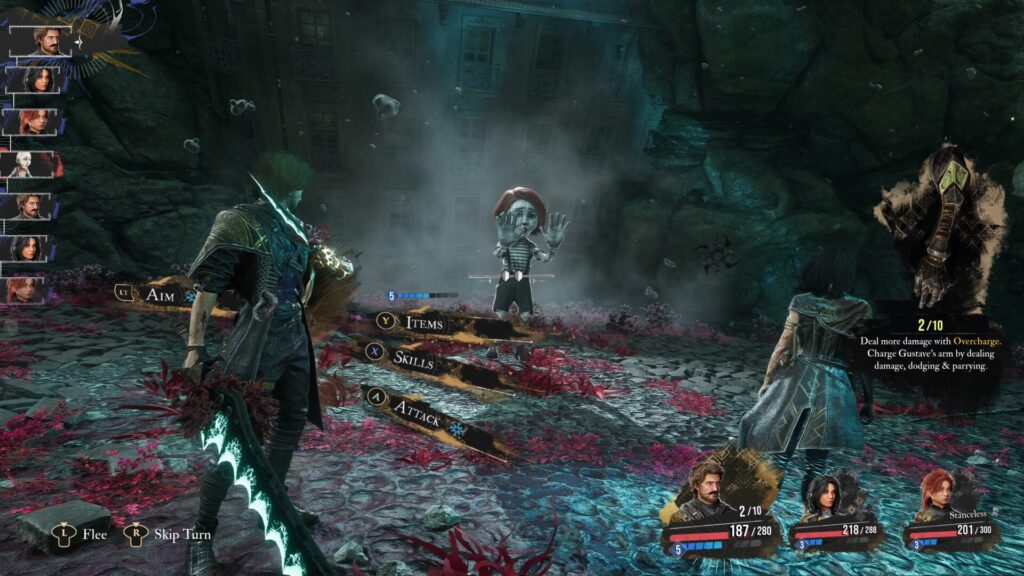
Ultimately, pacing isn’t just about timing; it’s about respect for the story, the characters, and the audience. Expedition 33 reminds us that narrative pacing done right invites players to live the story, feel its stakes, and connect with its characters in ways that transcend mere gameplay mechanics. For AAA games seeking to deepen their narrative impact, this is a lesson worth heeding.