
Video games have evolved far beyond simple forms of entertainment. Modern games, especially simulators, have begun to blur the lines between virtual recreation and real-life experiences. Among them, Microsoft Flight Simulator stands out as a revolutionary example of how a game can authentically replicate a real-world profession. Through a combination of advanced technology, immersive design, and meticulous attention to detail, simulators like this provide players with a deeper appreciation for complex professions while delivering unique learning experiences. By understanding how these games replicate real-world professions, we can appreciate their potential as tools for education, exploration, and even professional training.
Precision in Realism: How Technology Brings Professions to Life
At the heart of simulators like Microsoft Flight Simulator lies a commitment to realism. This realism stems from the integration of cutting-edge technology, which allows the game to replicate professional tasks with remarkable precision. For example, Flight Simulator uses data from Bing Maps and real-time weather updates to create a virtual world that mirrors actual conditions. The landscapes, weather patterns, and even airport layouts are so accurate that players can navigate the globe as if they were piloting a real aircraft.
This level of detail extends to the aircraft themselves. Simulators replicate cockpit controls, instrument panels, and flight mechanics with astounding accuracy. Players must familiarize themselves with aviation principles, such as reading altimeters, understanding fuel calculations, and navigating air traffic control. By mimicking the tools and challenges faced by real pilots, these games provide an authentic glimpse into the complexities of aviation.
The use of technology also helps bridge the gap between hobbyists and professionals. Many aviation enthusiasts credit games like Flight Simulator for sparking their interest in flying, and some even pursue pilot training as a result. Moreover, professional pilots use simulators to refine their skills and rehearse scenarios they may encounter in the air. This dual appeal underscores the power of simulators to both entertain and educate, making them invaluable tools for understanding intricate professions.
Immersion Through Roleplay: Experiencing Life as a Professional
One of the key reasons simulators resonate with players is their ability to immerse users in the roles they replicate. By placing players in the shoes of professionals, these games allow them to experience the challenges, decisions, and rewards of specific careers. In Flight Simulator, players don’t merely control planes; they embody the role of a pilot, complete with the responsibilities and pressure that come with the job.
For instance, players must plan flight paths, manage fuel levels, and respond to unexpected situations, such as engine failures or turbulent weather. These scenarios mimic the problem-solving and critical thinking required in the profession. This immersive roleplay helps players understand the skill and dedication needed to excel in such demanding fields, fostering a newfound respect for those who perform these jobs in real life.
The concept of immersion is not limited to aviation. Games like Farming Simulator and Train Sim World offer similar experiences, enabling players to delve into the daily routines of farmers or train operators. Each game captures the essence of its respective profession, presenting challenges such as crop management or train scheduling that mirror real-life tasks. By faithfully recreating these roles, simulators provide players with a sense of accomplishment and insight into careers they might not otherwise encounter.
Immersive roleplay also taps into the emotional aspects of professional life. Simulators often recreate the moments of tension, triumph, and responsibility that define these roles. In Flight Simulator, successfully landing a plane after navigating through adverse weather can evoke a sense of pride and achievement similar to what real pilots might feel. This emotional connection enhances the gaming experience, making it more than just a technical exercise—it becomes a journey of discovery and self-fulfillment.
Educational Value: Learning Through Virtual Experience
Beyond entertainment, simulators like Flight Simulator serve as powerful educational tools. Their detailed mechanics and realistic scenarios provide an interactive way to learn about complex professions. Players often develop skills that can translate to real-world applications, making these games valuable for both hobbyists and aspiring professionals.
For aviation enthusiasts, Flight Simulator offers a practical introduction to the fundamentals of flying. Players learn about aerodynamics, navigation, and the importance of communication with air traffic control. These lessons are not abstract; they are embedded in the gameplay, requiring players to apply their knowledge in realistic situations. This hands-on approach to learning makes the material engaging and memorable, fostering a deeper understanding of the subject.
In addition to technical skills, simulators help players develop soft skills such as problem-solving, decision-making, and time management. For example, managing a multi-leg flight in Flight Simulator requires careful planning and the ability to adapt to unforeseen challenges. These experiences mimic the cognitive demands of real-world professions, helping players build transferable skills that are useful in various contexts.
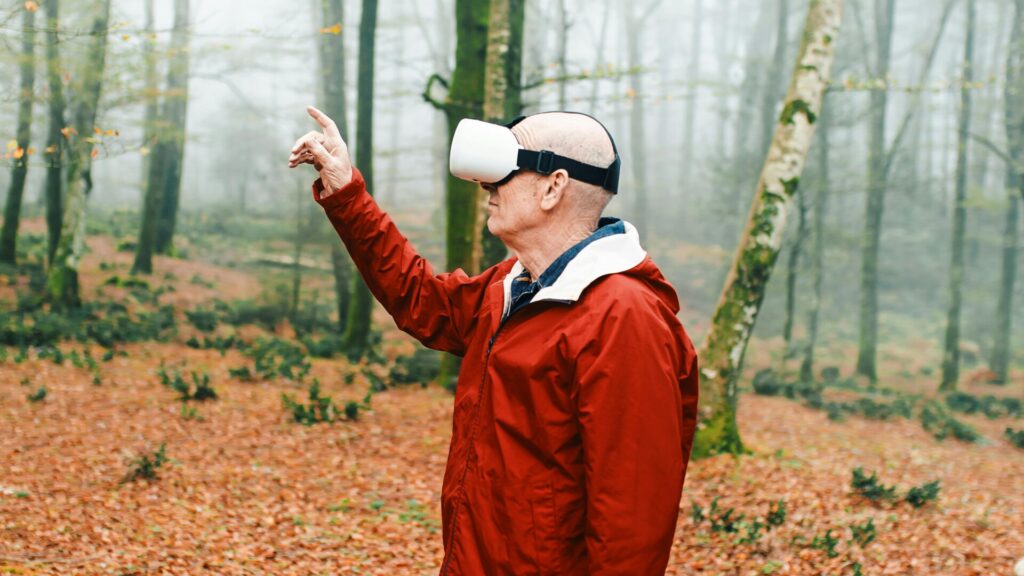
Educators and trainers have also recognized the potential of simulators for professional development. Flight schools and aviation programs often incorporate simulation technology into their curriculum, allowing students to practice in a controlled environment before taking to the skies. Similarly, other industries, such as agriculture and logistics, use simulators to train workers on specialized equipment and procedures. This integration of gaming technology into professional training highlights its versatility and effectiveness as a learning tool.
The Future of Professional Simulations: Expanding Beyond Entertainment
As technology continues to advance, the potential for simulators to capture the essence of real-life professions will only grow. Innovations such as virtual reality (VR) and artificial intelligence (AI) are already transforming the landscape, making simulations even more immersive and interactive. These advancements promise to deepen the connection between players and the professions they explore, creating new opportunities for education and engagement.
Virtual reality, in particular, holds immense promise for professional simulations. By immersing players in a 3D environment, VR enhances the sense of presence and realism. Imagine stepping into the cockpit of a plane, with every control and gauge within arm’s reach, or walking through a virtual farm to inspect crops and machinery. These experiences allow players to engage with their surroundings in ways that traditional screens cannot replicate, bringing them closer to the realities of their chosen professions.
Artificial intelligence adds another layer of complexity and authenticity. In simulators like Flight Simulator, AI-driven systems can mimic real-world conditions, such as fluctuating weather patterns or dynamic air traffic. Future developments may include AI characters that interact with players, simulating the teamwork and communication required in many professions. These enhancements will not only make simulators more realistic but also more effective as training tools, bridging the gap between virtual and real-world experiences.
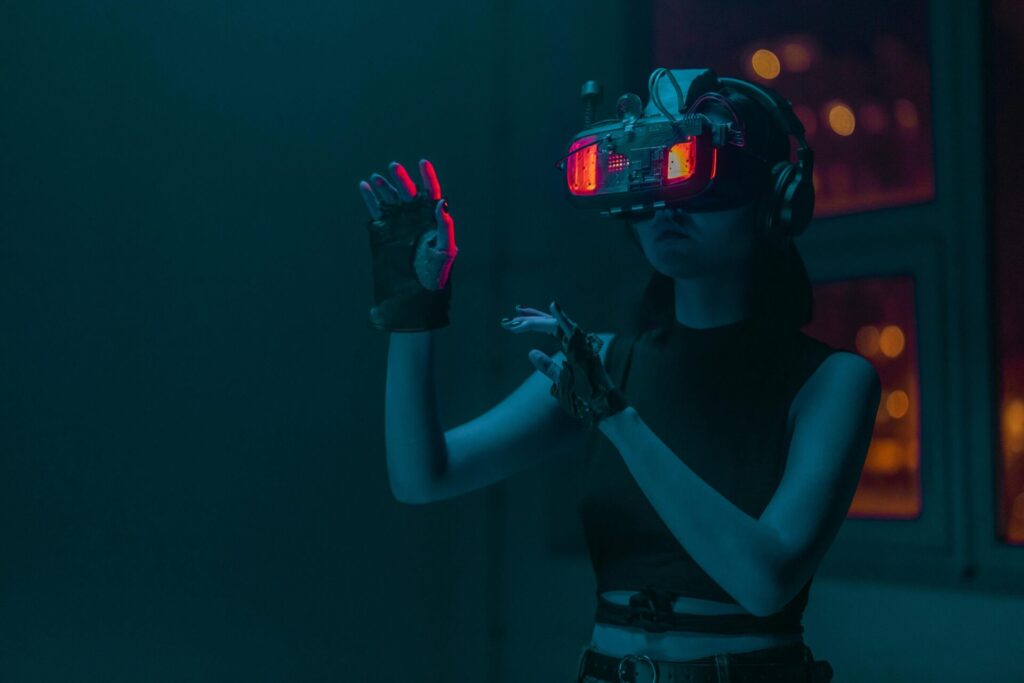
The growing accessibility of simulation technology is also worth noting. Once limited to specialized training programs, high-quality simulators are now available to anyone with a gaming console or PC. This democratization of technology opens up new possibilities for education and career exploration, allowing people from all walks of life to experience the challenges and rewards of various professions. As simulators become more affordable and widespread, they have the potential to inspire future generations of professionals across diverse fields.
Conclusion: Bridging the Gap Between Play and Profession
Games like Flight Simulator demonstrate the incredible potential of video games to replicate and celebrate real-life professions. By combining cutting-edge technology, immersive roleplay, and educational value, these simulators capture the essence of careers that require precision, dedication, and skill. They offer players more than just entertainment—they provide a window into the lives of professionals, fostering respect and understanding for their work.
The impact of these games extends far beyond the screen. For some, they spark a lifelong passion that leads to real-world careers, while for others, they offer a chance to appreciate the intricacies of professions they might never experience firsthand. In either case, simulators bridge the gap between play and profession, proving that video games can be both enjoyable and enlightening.
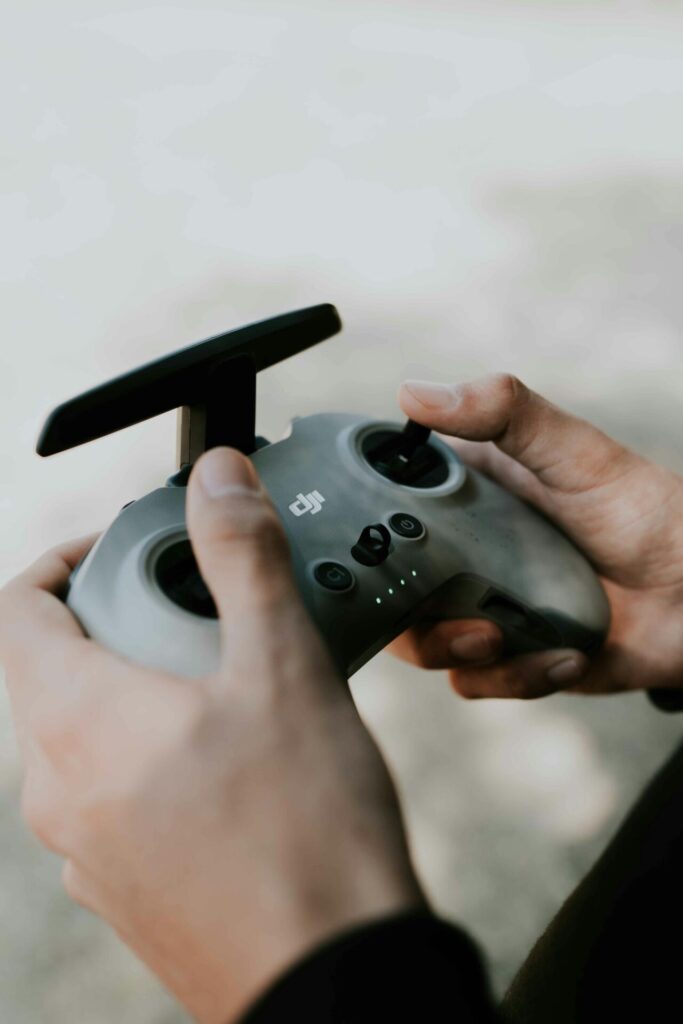
As technology continues to evolve, the line between virtual and real-world experiences will become increasingly blurred. Simulators will undoubtedly play a key role in this transformation, offering new ways to learn, explore, and connect with the world around us. The journey of games like Flight Simulator is far from over, and their ability to inspire and educate will only grow as they soar to new heights.