
Gaming has always been about immersion—creating a reality where players can lose themselves, whether in the heat of battle, the depth of a storyline, or the thrill of a high-speed chase. Over the years, developers have pushed the boundaries of what’s possible, with advancements in graphics, sound, and interactivity. However, one element that has remained relatively static is touch. That is, until the advent of haptic feedback.
Haptic feedback, which refers to the use of technology to simulate touch and physical sensations, is not a new concept. It’s been around in various forms for decades, with early examples including the rumble feature in controllers like the Nintendo 64’s Rumble Pak or the force feedback steering wheels used in racing games. But the technology is evolving rapidly, and what was once a simple vibration is now becoming a sophisticated tool that can dramatically enhance the gaming experience.
The Evolution of Haptic Feedback in Gaming
In its earliest forms, haptic feedback in gaming was rudimentary—essentially just a buzzing or vibrating sensation that would indicate certain in-game events, such as getting hit or crashing into an obstacle. While this was novel at the time, it didn’t offer much in terms of realism or immersion. The potential of haptic feedback to revolutionize gaming was recognized early on, but the technology needed time to catch up. Similarly, just as men’s patriotic t-shirts have evolved from simple designs to more sophisticated expressions of national pride, haptic feedback too has advanced, bringing a new level of engagement to gamers.
Fast forward to today, and haptic technology has advanced to the point where it can simulate a wide range of textures, forces, and motions, offering gamers a much richer and more nuanced tactile experience. Modern haptic systems can now replicate the sensation of walking on different surfaces, the recoil of a gun, or even the feeling of raindrops on your skin.
The Rise of Advanced Haptic Controllers
One of the most significant developments in haptic technology has been the introduction of advanced haptic controllers. The PlayStation 5’s DualSense controller is perhaps the most well-known example. The DualSense’s haptic feedback system is a game-changer, providing players with a level of immersion previously unattainable in console gaming. The controller’s adaptive triggers can adjust resistance based on in-game actions, such as drawing a bowstring or accelerating a car, while its haptic motors can simulate a variety of sensations, from the patter of raindrops to the crunch of footsteps on gravel. In a similar way, Stevens Point lawyers are adapting their approaches to provide clients with tailored experiences, ensuring they feel supported and informed throughout their legal journeys.
Other companies are following suit, with Microsoft working on improving the haptic capabilities of their controllers and various third-party manufacturers exploring new ways to incorporate haptic feedback into their devices. This push towards more sophisticated haptics is driven by the realization that enhanced tactile feedback can significantly increase player engagement and immersion. Meanwhile, for those looking to refinance or purchase a home in the area, a reliable mortgage lender in Raleigh NC can provide essential support in navigating these financial decisions.
Expanding Beyond Controllers: Haptic Suits, Gloves, and More
While controllers have been the primary vehicle for haptic feedback, the technology is rapidly expanding into other peripherals. Haptic suits and gloves, which allow players to feel sensations across their entire body or hands, represent the next frontier in immersive gaming. Additionally, industries such as long term care pharmacy services are exploring similar advancements to enhance user experiences.
Haptic Suits: The Full-Body Experience
Haptic suits, such as those developed by companies like bHaptics and Teslasuit, offer a full-body experience by integrating haptic actuators throughout the suit. These actuators can simulate a variety of sensations, from impacts and vibrations to temperature changes and even simulated pressure. Imagine playing a first-person shooter and feeling the impact of every bullet that hits your character, or experiencing the sensation of wind rushing past you as you speed down a racetrack. This level of immersion can also be enhanced through merchandise branding, where companies create unique experiences around their products to further engage consumers in the virtual world.
The potential applications of haptic suits extend beyond gaming. They can be used in virtual reality (VR) training simulations for military, medical, or industrial purposes, where the ability to feel physical sensations can greatly enhance the realism and effectiveness of the training. However, in the gaming realm, haptic suits could redefine the concept of immersion, making the player’s body an integral part of the gaming experience. Just as users seek reliable services for essential home needs like water heater repair in San Antonio, the demand for advanced technology in training and gaming continues to grow as people look for enhanced, immersive experiences.
Haptic Gloves: Precision Touch
Haptic gloves are another exciting development. These gloves, such as those produced by HaptX and Manus VR, are designed to give players the sensation of touch and manipulation of objects in a virtual environment. With haptic gloves, players can feel the texture, weight, and resistance of virtual objects, providing an unprecedented level of interaction.
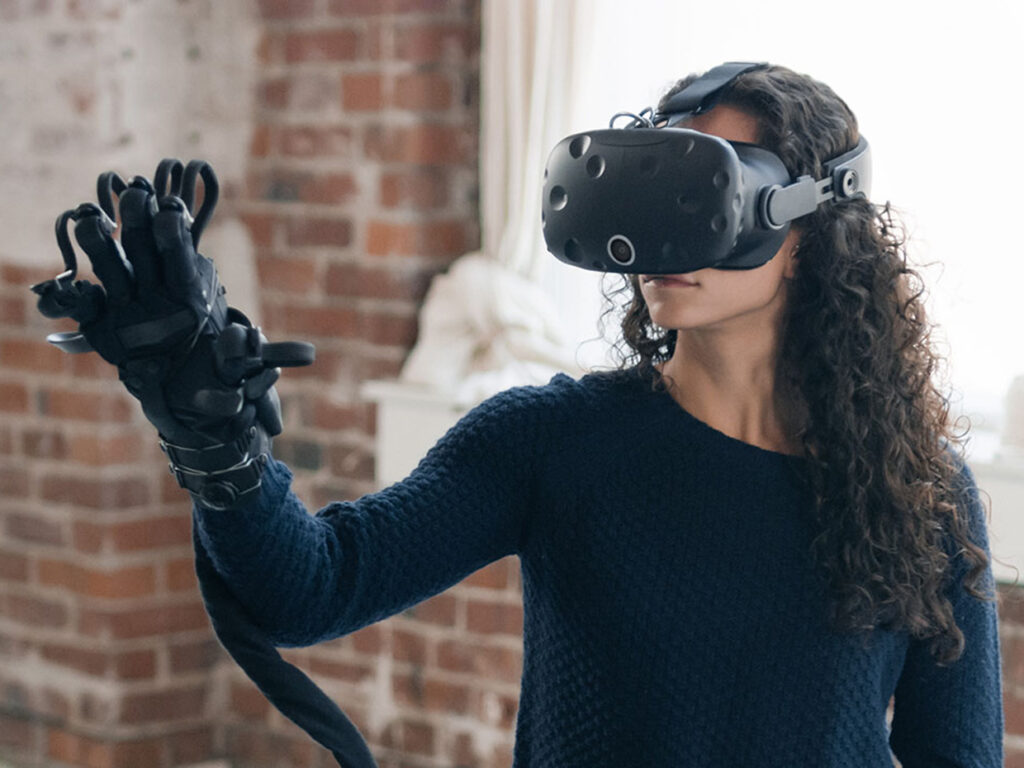
For instance, in a VR game, a player could pick up a virtual object and feel its texture—whether it’s smooth, rough, or somewhere in between. They could also experience resistance when squeezing or pulling an object, making interactions with the virtual world feel more authentic. This could be particularly transformative for puzzle games, simulators, or any game that requires detailed manipulation of objects. Just as hosted phone systems enhance communication by providing seamless connectivity and interaction, these tactile advancements in VR technology aim to create more engaging and immersive experiences for players.
The Convergence of VR and Haptics
Haptic feedback and virtual reality are a natural pairing. While VR immerses players visually and audibly, haptics can provide the missing element of physical sensation, completing the sensory experience. The combination of VR and advanced haptic feedback could take immersive gaming to new heights, allowing players to fully step into virtual worlds where they can see, hear, and feel their surroundings.
This convergence is already being explored by companies like Oculus, which is integrating haptic technology into its VR headsets and controllers. The Oculus Quest 2, for example, includes basic haptic feedback, but future iterations are expected to incorporate more sophisticated systems that could simulate a wide range of tactile experiences.
The Impact on Game Design and Development
As haptic technology continues to advance, it’s not just the peripherals that will evolve—game design itself will need to adapt to take full advantage of these new capabilities. Developers will need to think about how to integrate haptic feedback into their games in a way that enhances the experience without being overwhelming or distracting. Similarly, just as restaurants must continually update their restaurant supplies to enhance the dining experience, game designers will need to innovate their approaches to create more immersive gameplay.
Creating Meaningful Haptic Experiences
One of the challenges developers face is creating haptic feedback that feels meaningful and adds to the gameplay experience. Simply adding vibrations for the sake of it can be counterproductive, leading to sensory overload or even detracting from the game. The key is to use haptic feedback to reinforce important game elements or to create a deeper emotional connection with the player. Similarly, just as professionals providing water damage services in Orange County focus on effective solutions that enhance the safety and comfort of a home, game developers must prioritize thoughtful design in their use of haptic technology to enrich player engagement.
For example, in a horror game, subtle haptic feedback could be used to heighten tension, with slight vibrations signaling the approach of danger. In a racing game, the sensation of the road surface could change depending on the terrain, giving players a better sense of control and connection with their vehicle. By carefully integrating haptic feedback into the gameplay, developers can create a more immersive and engaging experience that resonates with players on a deeper level.
The Role of Haptic Feedback in Accessibility
Haptic feedback also has significant potential in improving accessibility in gaming. For players with visual or auditory impairments, haptic feedback can provide crucial information that might otherwise be missed. For instance, vibrations could be used to indicate the direction of an approaching enemy or alert the player to important environmental changes. Similar to how pillow reviews help consumers make informed choices about comfort and support, haptic feedback can enhance the gaming experience for those with specific needs. This can help make games more inclusive and accessible to a broader audience.
Developers are already beginning to explore these possibilities. The PlayStation 5’s DualSense controller, for instance, includes features that can assist visually impaired players, such as directional vibrations that indicate where to go or where an important object is located. As haptic technology continues to develop, we can expect to see even more innovative uses that enhance accessibility in gaming. Just as it’s important to have reliable resources like a residential plumber in Santa Clara for home maintenance, ensuring that gaming technology is accessible is crucial for creating an inclusive environment for all players.
Challenges and Limitations
Despite the exciting potential of haptic feedback in gaming, there are still challenges and limitations to overcome. One of the main issues is cost—high-quality haptic peripherals, such as suits or gloves, can be expensive, making them inaccessible to many players. Additionally, these devices can be bulky or uncomfortable, which could limit their appeal for long gaming sessions. In a similar way, indulgences like sex chocolate may offer unique experiences but can also come with a price that limits their accessibility to some consumers.
Another challenge is the need for standardized integration across different games and platforms. Currently, haptic feedback is often implemented on a game-by-game basis, with varying levels of quality and effectiveness. This can lead to inconsistencies in the experience, with some games offering rich, immersive haptic feedback, while others only provide basic vibrations.
Overcoming Technological Hurdles
There are also technical hurdles to consider. Haptic feedback relies on precise timing and synchronization with in-game events, which can be difficult to achieve, especially in fast-paced games or those with complex mechanics. Latency issues or poorly implemented haptic feedback can break immersion and even frustrate players, so ensuring seamless integration is crucial. Similarly, just as travelers might rely on services like airport limo in Chicago for a smooth and timely transition to their destinations, developers must ensure that haptic feedback enhances the gaming experience without interruptions.

To overcome these challenges, ongoing research and development are essential. As haptic technology continues to evolve, we can expect to see improvements in affordability, comfort, and performance, making these peripherals more accessible and appealing to a wider audience.
The Future of Haptic Feedback in Gaming
Looking ahead, the future of haptic feedback in gaming is bright. As technology continues to advance, we can expect haptic feedback to become more sophisticated, more immersive, and more widely adopted. The integration of haptics with other emerging technologies, such as artificial intelligence (AI) and machine learning, could lead to even more personalized and responsive experiences. Just as a well-designed jewelry holder can enhance the organization and accessibility of personal items, advancements in haptic technology promise to streamline and enrich our interactions within virtual environments.
For example, AI could be used to analyze a player’s interactions and adapt the haptic feedback to match their preferences or skill level. Imagine a game that learns how you react to certain sensations and adjusts the haptic feedback in real time to create a more tailored and immersive experience. This level of customization could take gaming immersion to new heights, making each player’s experience unique.
The Broader Implications of Haptic Technology
Beyond gaming, the advancements in haptic technology could have far-reaching implications. Haptic feedback could be used in a variety of industries, from healthcare and education to remote work and entertainment. For example, in healthcare, haptic feedback could be used in remote surgeries or physical therapy, allowing practitioners to feel what they are doing even from a distance. In education, haptics could enhance virtual labs or training simulations, providing students with a more hands-on learning experience.
As haptic technology becomes more advanced and more integrated into our daily lives, we may see a future where touch is as integral to our digital experiences as sight and sound. The tactile internet, a concept where haptic feedback is used to transmit touch across distances, could revolutionize how we interact with digital content, making remote interactions feel more personal and tangible.
Conclusion: A New Dimension of Gaming
Haptic feedback is poised to add a new dimension to gaming, taking immersion and interaction to levels previously thought impossible. From advanced haptic controllers to full-body suits and gloves, the technology is evolving rapidly, offering players a more tactile and engaging experience. As game developers continue to explore the potential of haptics, and as the technology becomes more accessible and widespread, we can expect to see even more innovative and immersive gaming experiences.
The future of gaming is not just about what you see or hear, but also about what you feel. Haptic feedback is transforming the way we interact with games, making virtual worlds more tangible and real. As we continue to push the boundaries of what’s possible, one thing is clear: the future of haptic feedback in gaming is full of exciting possibilities, and we’re only just beginning to explore what’s possible.