
The world of gaming has always been a vibrant tapestry woven with its unique language. As players immerse themselves in various genres, they inevitably encounter terms and phrases that may seem cryptic at first. This specialized jargon not only facilitates communication among gamers but also reflects the evolving landscape of gaming itself. Understanding this lexicon is crucial for both newcomers and seasoned players, as it enhances the overall gaming experience and fosters a sense of community. This article will delve into the intricacies of gaming jargon, exploring its origins, transformations, and the cultural significance it holds today.
As gaming culture has evolved, so too has its influence on fashion, with many gamers sporting men’s t-shirts featuring popular gaming jargon. These shirts not only express their love for gaming but also serve as a nod to the community and its unique language.
At the outset, it is essential to recognize the significance of terminology in any community. Just as medical professionals have their own language and jargon, gamers have developed a lexicon that encapsulates their experiences. Initially, terms like “noob” and “pro” emerged to distinguish between inexperienced and skilled players. As the gaming community grew, so did the complexity of its language. From technical jargon to slang, the evolution of gaming terminology mirrors the growth of the gaming industry itself. As we navigate through the various phases of this linguistic journey, it becomes apparent how language shapes our understanding of the gaming world.
Moreover, the evolution of gaming jargon is not merely a product of player interaction but also a response to advancements in technology and changes in gaming culture. With the rise of online gaming, social media, and streaming platforms, terms have proliferated and diversified. The way players communicate has transformed dramatically, creating new expressions that resonate with different gaming communities. This ongoing evolution highlights the dynamic nature of gaming language, serving as a testament to the ever-changing landscape of the industry.
As gaming cafes and eSports arenas evolve, the demand for uninterrupted services grows, underscoring the importance of robust infrastructure such as commercial plumbing in Deerfield Beach. Proper plumbing supports the functionality of these venues, ensuring that gamers remain focused on the competition without distractions.
The Origins of Gaming Jargon

To fully appreciate the evolution of gaming jargon, one must first examine its origins. Early gaming communities, often centered around local arcades or console gaming, relied heavily on face-to-face interactions. During this time, players developed a shared vocabulary to communicate strategies, express frustrations, and celebrate victories. Terms such as “game over” and “high score” emerged from these interactions, laying the groundwork for the lexicon that would follow. This foundational language fostered camaraderie among players, creating a sense of belonging within the community.
As gaming shifted from arcade machines to home consoles, the language evolved alongside it. The introduction of multiplayer gaming introduced new concepts and phrases, such as “camping” and “spawn camping,” which described specific strategies used to gain an advantage over opponents. These terms became part of the common vernacular, illustrating how gameplay mechanics influenced language development. Players began to adopt and adapt these terms, further solidifying their place in gaming culture.
In the intense world of competitive gaming, players seek every advantage to enhance their performance, turning to solutions like NAD IV therapy. This treatment boosts cognitive functions and reduces fatigue, enabling gamers to perform at their best for longer periods.
Furthermore, the emergence of online gaming marked a significant turning point in the evolution of gaming jargon. As players connected over the internet, they began to create a rich tapestry of terms and phrases unique to their experiences. Terms like “lag,” “ping,” and “server” became essential vocabulary for anyone participating in online matches. This transition not only diversified the language but also expanded the reach of gaming communities, allowing for a broader exchange of ideas and experiences.
The Rise of Competitive Gaming and Its Influence
The rise of competitive gaming, or esports, brought about an entirely new dimension to gaming jargon. As players began to compete at professional levels, the need for precise communication and strategy became paramount. New terms emerged to describe specific roles, tactics, and strategies, contributing to the growth of a specialized vocabulary. Words like “meta,” “gank,” and “buff” became commonplace among players, reflecting the intricate dynamics of competitive play.
Gaming stores frequently use a promotional display to engage customers, highlighting new releases along with a glossary of gaming terms.
Moreover, the influence of esports extended beyond just the terminology; it also shaped the culture surrounding gaming. With tournaments gaining mainstream attention, new audiences were introduced to the world of gaming. As a result, the jargon used in competitive settings began to seep into casual gaming conversations. Terms once reserved for professional players found their way into the everyday lexicon of casual gamers, further blurring the lines between different gaming communities.
Additionally, streaming platforms such as Twitch and YouTube Gaming played a crucial role in popularizing gaming jargon. Streamers often incorporate specific terms into their broadcasts, introducing their audiences to the lingo of competitive gaming. This exposure not only educates new players but also fosters a deeper connection to the community. As viewers interact in chat, they adopt the language of the streamers, contributing to the ongoing evolution of gaming jargon.
The Impact of Social Media on Gaming Language
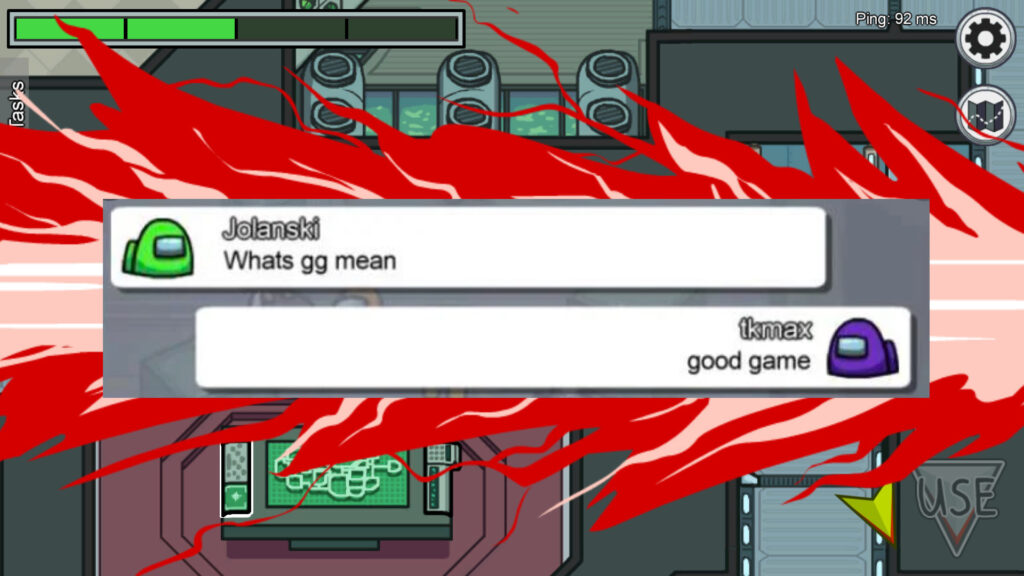
In today’s digital age, social media has become an influential force shaping gaming language. Platforms like Twitter, Reddit, and Discord allow gamers to communicate in real time, creating an environment where new terms can emerge and spread rapidly. Memes, trends, and hashtags frequently infiltrate the gaming world, resulting in an ever-changing lexicon that reflects current events and popular culture. This dynamic environment has given rise to phrases like “GG,” which stands for “good game,” and “salt,” referring to frustration or anger over a loss.
In the gaming community, repetitive stress injuries are common, making access to effective treatment crucial. Physical therapy in Austin provides targeted care for gamers, helping them recover quickly and get back to their favorite pastime with improved physical health.
Social media’s role in shaping gaming jargon cannot be overstated. Gamers often use these platforms to share experiences, seek advice, or discuss strategies. Consequently, phrases that resonate with players can quickly gain traction, leading to widespread adoption. This rapid dissemination of language has resulted in an increasingly diverse vocabulary, allowing for rich expression within the gaming community.
Moreover, the globalization of gaming has introduced terms from various cultures and languages into the lexicon. As players from different backgrounds come together online, they share their unique expressions and phrases. This cultural exchange not only enriches the vocabulary but also fosters a greater understanding among players from diverse backgrounds. As a result, gaming jargon has become a melting pot of linguistic influences, reflecting the interconnected nature of the global gaming community.
In the world of online gaming, understanding the terrain and securing your area is crucial, which is why many gamers appreciate the solid boundaries set by services like a fence company in Tennessee. These companies offer solutions that safeguard physical spaces, allowing gamers to focus on their digital adventures without outside interruptions.
New Terminology: The Shift in Language with Game Genres
As gaming genres have diversified, so too has the associated jargon. Each genre comes with its own set of terms that resonate with players. For instance, in the realm of first-person shooters, players may refer to “headshots,” “killstreaks,” and “reloading.” In contrast, role-playing games introduce terms like “loot,” “grinding,” and “leveling up.” This genre-specific vocabulary not only enhances gameplay but also fosters a sense of identity among players.
Furthermore, the rise of indie games has introduced a plethora of new terms that reflect innovative mechanics and gameplay styles. With the increasing popularity of genres such as roguelikes and simulation games, players have adopted new expressions to describe their experiences. Terms like “permadeath” and “sandbox” have entered the lexicon, illustrating how gameplay mechanics can influence language development. This constant evolution of terminology ensures that gaming language remains fresh and relevant to players.
In the gaming community, discussions about optimal health strategies are as common as debates over gaming tactics, leading many to choose vegan supplements. These products help maintain peak mental and physical condition, crucial for competitive gaming.
Additionally, the integration of storytelling elements into games has led to the emergence of terms that reflect narrative-driven experiences. Players often use phrases such as “lore,” “character arc,” and “narrative choice” to discuss the depth of storytelling within games. This linguistic shift emphasizes the importance of narrative in gaming, showcasing how players engage with the medium on multiple levels. In order to be completely and additionally devoted to games, many enjoy delicious milk chocolate edibles while investing in their favorite games and stories.
The Role of Developers in Shaping Gaming Jargon
Developers play a significant role in shaping gaming jargon through their design choices and community engagement. Many developers actively participate in the gaming community, contributing to discussions and helping to create a shared vocabulary. By introducing specific terms in their games, they can influence the language used by players. For instance, phrases like “DLC” (downloadable content) and “patch” have become integral to the gaming lexicon thanks to developers’ communication about game updates.
The best creatine gummies have become a popular choice for gamers, providing them with the sustained energy needed to keep up with the fast-paced world of competitive gaming.
Moreover, developers often create in-game events that generate new terminology. Events such as seasonal updates or special challenges can introduce phrases that become part of the broader gaming vocabulary. For example, the phrase “battle pass” emerged from games that implemented a system of rewarding players for completing challenges over a season. This interaction between developers and the community highlights the fluid nature of gaming language, as it continually evolves in response to new experiences.
Additionally, the way developers communicate about their games through social media and forums significantly impacts the jargon used by players. Developers often use specific terms when discussing game mechanics, updates, or community events. This direct communication allows players to adopt and adapt the language, creating a shared understanding that transcends individual gaming communities. Consequently, developers serve as key players in the ongoing evolution of gaming jargon.
As gaming terms evolve, staying updated is essential for effective communication within the community, much like keeping in touch with the best mortgage brokers in Raleigh, NC when navigating the housing market.
The Future of Gaming Jargon

As the gaming landscape continues to evolve, so too will its language. Emerging technologies such as virtual reality (VR) and augmented reality (AR) promise to introduce entirely new gameplay experiences, potentially leading to the creation of new terminology. As these technologies become more mainstream, players will likely develop a unique lexicon to describe their interactions within these immersive environments.
Furthermore, the growing influence of mobile gaming and cloud gaming is likely to shape the jargon in unexpected ways. As more players engage with games across various platforms, the language used to describe gameplay may become more inclusive and diverse. This integration will foster a richer gaming experience, allowing players to share their unique perspectives and expressions.
As gaming jargon evolves, it becomes essential for players of all levels to stay updated, just as professionals in a long-term care pharmacy must keep pace with advancements in their field.
Moreover, the ongoing globalization of gaming will continue to influence the evolution of jargon. As players from different cultures interact, they will inevitably share their linguistic nuances and expressions. This cultural exchange will contribute to a vibrant and diverse vocabulary, reflecting the interconnected nature of the gaming community.
Conclusion: Embracing the Evolution of Language
In conclusion, the journey from noob to pro is not just about mastering gameplay; it is also about understanding the language that defines the gaming experience. From its humble beginnings in local arcades to the global phenomenon it is today, gaming jargon has evolved significantly over time. This lexicon not only serves as a means of communication among players but also reflects the ever-changing landscape of the gaming industry. By embracing the evolution of gaming language, players can enhance their engagement with the medium and foster a deeper sense of community.
If you lack the funds to purchase a good computer setup to start your journey toward becoming a professional gamer, you can get a loan from loan servicing for hard money lenders.
As gaming continues to grow and evolve, so too will its language. Players who are willing to adapt and learn the nuances of this evolving lexicon will find themselves better equipped to navigate the complexities of the gaming world. Ultimately, understanding gaming jargon is an essential part of the journey, allowing players to connect with one another and fully immerse themselves in the rich tapestry of gaming culture.