
Photography is an art form that hinges on the delicate balance between light and composition. Whether capturing a breathtaking landscape, a candid portrait, or an intricate still life, mastering these elements is crucial for producing compelling and memorable images. In the world of professional photography, understanding how to manipulate light and compose a scene effectively separates the amateurs from the experts. Let’s delve into the key aspects of mastering light and composition in the realm of professional photography.
Harnessing the Power of Light
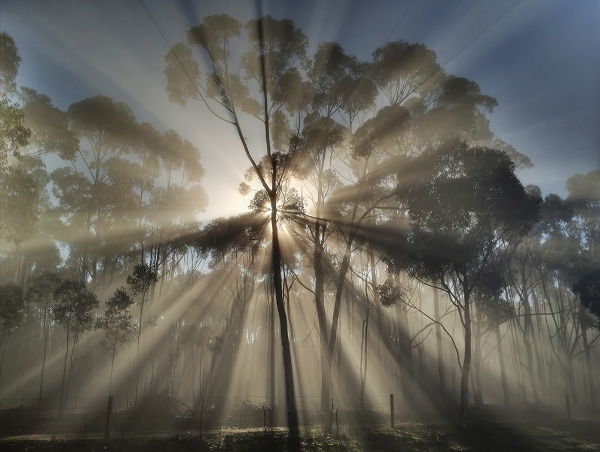
Light is the cornerstone of photography, influencing the mood, atmosphere, and visual impact of an image. Professional photographers have a keen eye for understanding different types of light – from soft, diffused natural light to dramatic, directional artificial light. They know how to leverage light to create depth, dimension, and emphasis within their compositions. Whether using techniques like backlighting to create stunning silhouettes or employing reflectors to fill in shadows, mastering the art of lighting is essential for elevating the quality of photographic work. When seeking a Mt Rainier family photographer, this expertise becomes particularly crucial for capturing unforgettable moments against the backdrop of majestic landscapes.
Crafting Compelling Compositions
Composition is the arrangement of elements within a frame, and it plays a fundamental role in conveying meaning and storytelling in photography. Professional photographers possess a deep understanding of composition principles such as the rule of thirds, leading lines, symmetry, and negative space. They know how to use these principles to guide the viewer’s eye, create visual interest, and evoke emotion in their photographs. Whether shooting landscapes, portraits, or still lifes, a strong composition can transform an ordinary scene into a captivating work of art.
Balancing Technique with Creativity
While technical proficiency is essential in professional photography, creativity is what sets exceptional photographers apart. Mastering light and composition requires a combination of technical skill and artistic vision. Professional photographers understand the technical aspects of their equipment, such as camera settings, exposure, and focal length, but they also know when to break the rules and experiment with unconventional techniques. By pushing the boundaries of traditional photography and embracing their unique creative voice, they’re able to produce images that resonate deeply with viewers and leave a lasting impression.
Conclusion
In the world of professional photography, mastering light and composition is a never-ending journey of exploration and discovery. By harnessing the power of light, crafting compelling compositions, and balancing technique with creativity, photographers can create images that transcend the ordinary and captivate audiences. Whether capturing the beauty of the natural world, the intimacy of human emotion, or the intricacies of everyday life, the art of photography continues to evolve, guided by the timeless principles of light and composition. So, next time you pick up your camera, remember the importance of mastering these fundamental elements and let your creativity shine through in every photograph you take.