
Hades, the critically acclaimed game developed by Supergiant Games, has captivated players worldwide with its vibrant art style, fast-paced combat, and, most notably, its deep ties to Greek mythology. As players navigate the Underworld as Zagreus, the rebellious son of Hades, they encounter a rich tapestry of gods, monsters, and mythological references that make the experience more than just a dungeon crawler. This blog explores how ancient Greek stories shape modern gameplay, influencing both narrative depth and game mechanics in Hades.
The Allure of Greek Mythology in Modern Media
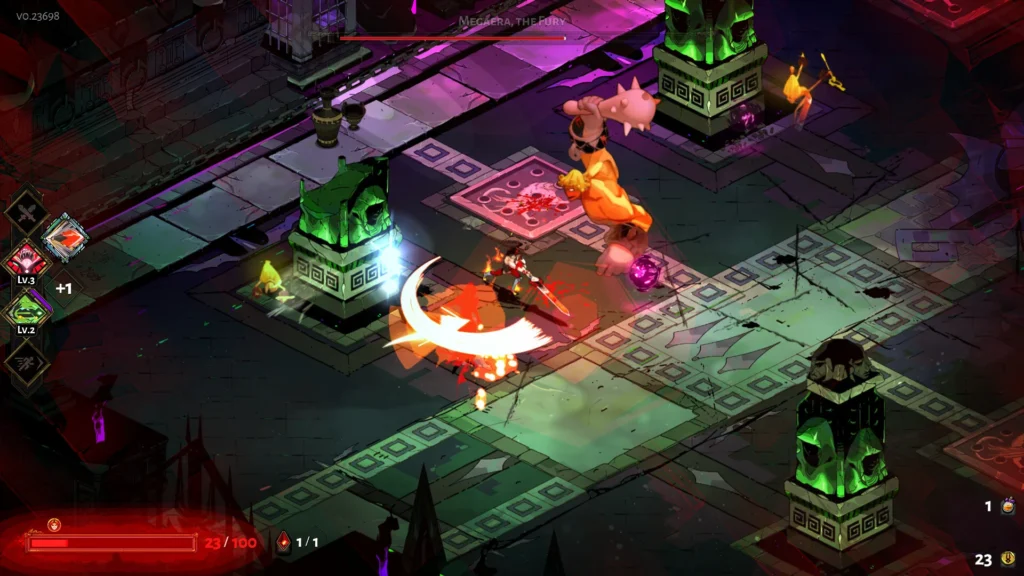
Greek mythology has long been a source of fascination in various forms of media, from literature to cinema, and now, video games. These myths, with their larger-than-life characters and timeless tales of love, betrayal, heroism, and tragedy, provide a wellspring of content for creative adaptation.
In “Hades,” the developers have meticulously woven these ancient stories into the fabric of the game. By doing so, they create a unique experience that feels both fresh and timeless. Greek mythology’s complexity and ambiguity allow for diverse interpretations, making it an ideal foundation for a game that thrives on player choice and narrative variability. Just as the game’s intricate design offers a blend of tradition and innovation, a vegan beauty supplements pack provides a perfect mix of natural ingredients, offering a sustainable and ethical way to enhance beauty and wellness.
The Protagonist’s Journey: Zagreus and His Quest for Freedom
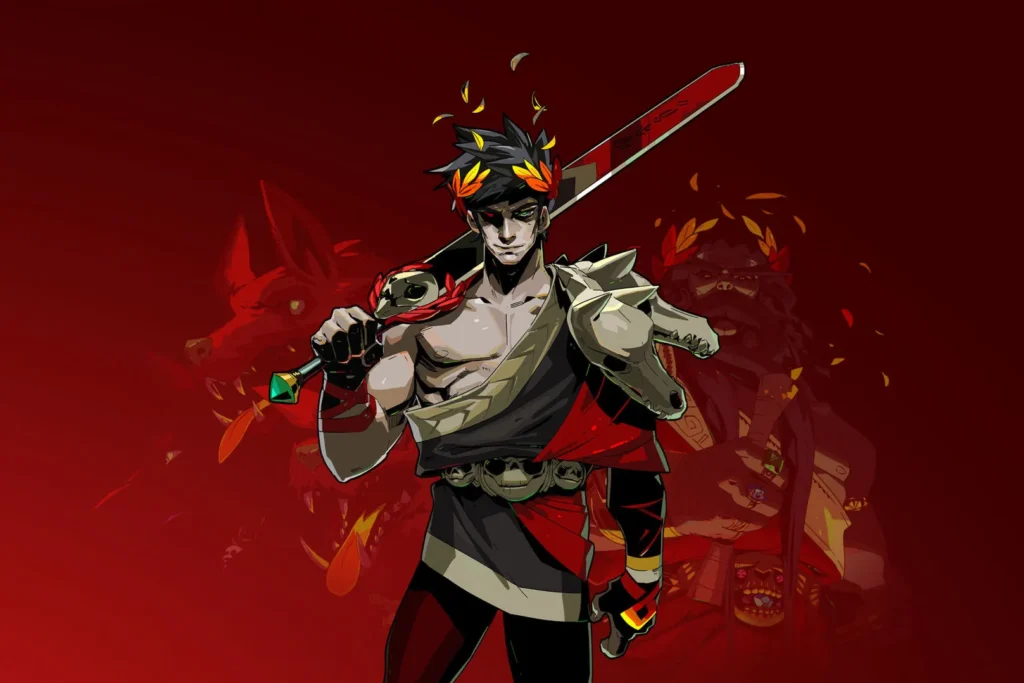
In “Hades,” players assume the role of Zagreus, the son of Hades, the god of the Underworld. Unlike many traditional interpretations of Hades as the villainous god of death, Supergiant Games presents a nuanced character who is strict yet caring, imposing yet relatable. Zagreus, in contrast, is depicted as a rebellious young god who longs to escape his father’s domain to discover his true origins and meet his mother, Persephone.
Zagreus’s journey mirrors the classic hero’s journey found in many mythological tales. His quest is not just a physical escape but a search for identity and understanding, resonating with many mythological heroes like Hercules, who also faced immense trials. The player’s task to help Zagreus escape the Underworld multiple times is a modern twist on these mythological labors, blending ancient themes with roguelike gameplay mechanics. Just like Zagreus faces trials, those committed to fitness can push through their own challenges, whether in the gym or while wearing men’s fitness joggers.
The Underworld as a Living Entity
The setting of “Hades,” the Underworld, is more than just a backdrop for the game; it is a dynamic, ever-changing environment that reflects the chaos and unpredictability of life and death in Greek mythology. The Underworld in the game is divided into several regions: Tartarus, Asphodel, Elysium, and the Temple of Styx, each with distinct visual styles, enemies, and challenges.
This design choice is deeply rooted in Greek mythology, where the Underworld is not a monolithic realm but a complex and layered space. Tartarus is a dark, chaotic place of torment for the wicked, while Elysium represents a paradise for heroes. Asphodel, with its fiery rivers, symbolizes a barren, liminal space between the two extremes. The game’s dynamic environments capture the essence of these mythological descriptions, making the Underworld feel alive and foreboding. In the same way, finding a reliable auto rental in Sarajevo ensures you have a seamless experience while navigating the city’s diverse and historic landscapes.
Gods, Boons, and Gameplay Mechanics
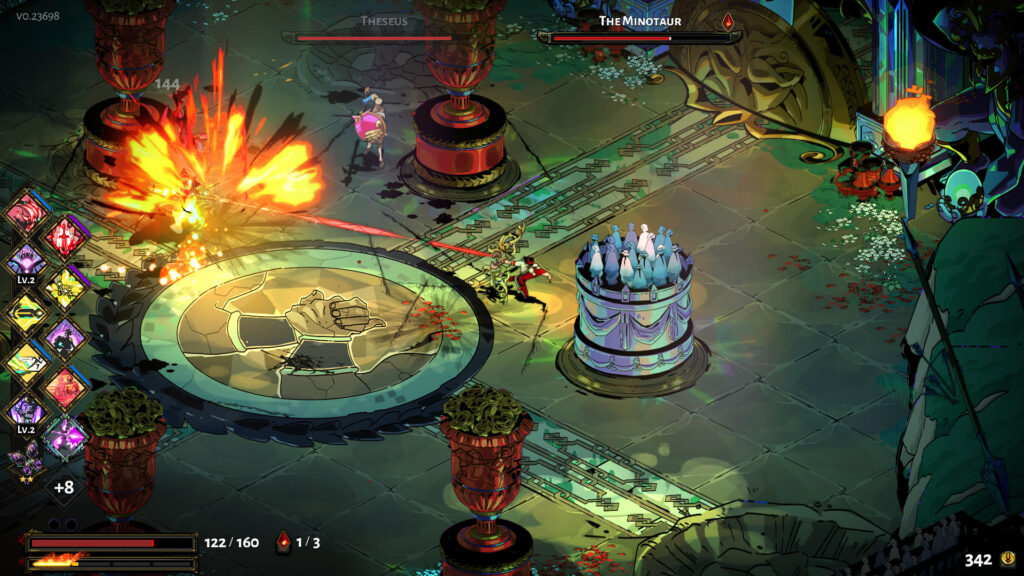
One of the standout features of “Hades” is the inclusion of the Olympian gods, who offer Zagreus boons—power-ups that enhance his abilities and help him navigate the treacherous paths of the Underworld. These gods, including Zeus, Athena, Aphrodite, and Poseidon, are more than just power-ups; they are fully voiced characters with distinct personalities, each embodying their mythological traits. Just as these boons enhance Zagreus’ power, using natural creatine can boost physical performance, helping athletes maximize their strength and endurance.
The boons offered by these gods are directly tied to their domains and attributes. For example, Zeus’s boons often involve lightning-based attacks, reflecting his role as the god of thunder, while Poseidon’s boons involve water-based powers, showcasing his dominion over the sea. This mechanic not only adds a layer of strategy to the gameplay but also reinforces the mythological identities of the gods, making each run unique depending on the player’s choices and the gods’ favor.
Family Dynamics and Divine Politics
A central theme in both Greek mythology and “Hades” is the complex dynamics of divine families. The game explores the relationships between Zagreus, his father Hades, his mother Persephone, and the other gods of Olympus. These interactions are steeped in the political intrigue and familial tensions that are a hallmark of Greek mythological tales. Similarly, advancements in medical treatments, like those offered by the Phoenix stem cell treatment center, focus on the intricate relationships within the body, aiming to heal and rejuvenate through cutting-edge therapies.
For instance, the strained relationship between Hades and his brothers, Zeus and Poseidon, is reflected in their interactions with Zagreus. Zeus and Poseidon are more than willing to help Zagreus defy his father, hinting at the longstanding rivalry and animosity between them. Meanwhile, Hades’ stern demeanor towards Zagreus mirrors his isolation from the other gods, portraying a complex character torn between duty and familial bonds. Similarly, in wedding photography in Springdale, capturing these intricate family dynamics can make for powerful, emotionally resonant images that tell a deeper story of connection and history.
The Role of the Fates and Roguelike Elements
One of the most ingenious ways “Hades” integrates Greek mythology into its gameplay is through its use of the Fates—Clotho, Lachesis, and Atropos—who in mythology control the destiny of both gods and mortals. In “Hades,” the roguelike elements of repeated attempts and different outcomes are a direct nod to the unpredictable nature of fate.
Every time Zagreus dies, he is sent back to the House of Hades, forced to start his escape attempt anew. This mechanic not only reinforces the idea of the inevitability of fate but also mirrors the cyclical nature of life and death in Greek mythology. Players are encouraged to embrace failure as a part of the narrative, learning and growing with each attempt, much like a hero undergoing trials and tribulations. Just as effective commercial pest control in Reno requires a strategic approach to tackle recurring infestations, players must adapt their strategies to overcome the challenges they face in the game.
The Role of Persephone and the Theme of Rebirth
Persephone’s story is another essential element of Greek mythology that “Hades” explores with great depth. In traditional myths, Persephone’s abduction by Hades and her subsequent role as the queen of the Underworld represent themes of death and rebirth, as her annual return to the surface is associated with the changing seasons.
In the game, Persephone’s narrative takes on a different role, focusing on her relationship with Zagreus and her impact on the dynamics of the Underworld. Her presence and her story arc symbolize hope, renewal, and the possibility of change within the seemingly static world of the gods. This reimagining not only aligns with her mythological symbolism but also adds emotional depth to the gameplay experience, as Zagreus’s quest is ultimately driven by his desire to reunite with her. Much like business incorporation can symbolize the beginning of a new venture, Persephone’s journey represents the potential for new beginnings and transformations in a world bound by old traditions.
Dialogue and Storytelling: A Nod to Oral Tradition
Greek mythology was traditionally passed down through oral storytelling, with poets and bards weaving tales that captivated audiences. In “Hades,” dialogue and character interactions play a crucial role in immersing players in this mythological world. The game features thousands of lines of dialogue, all dynamically triggered based on player progress, choices, and interactions. Similarly, effective electronics PR utilizes engaging narratives to connect brands with audiences, enhancing their presence and resonance in a competitive market.
This approach mirrors the dynamic nature of oral tradition, where stories could change depending on the storyteller and audience. In “Hades,” the narrative unfolds gradually, with characters reacting to Zagreus’s successes and failures, creating a living story that evolves with each playthrough. This dynamic storytelling method ensures that no two runs are the same, keeping players engaged and invested in the mythological narrative. Similarly, selling records for cash can vary based on market demand, location, and the uniqueness of the records, ensuring that each transaction is a unique experience influenced by various factors.
Ancient Myths, Modern Messages
While “Hades” draws heavily from ancient Greek mythology, it also infuses the narrative with modern themes and sensibilities. Themes such as family conflict, self-discovery, and the questioning of authority are timeless and resonate with contemporary audiences. The game also explores issues like redemption, forgiveness, and the possibility of change, offering a fresh perspective on age-old myths. Much like the variety found in massage services in Las Vegas, the game provides players with different approaches to healing and personal growth, inviting them to find their unique path through its rich storytelling.
The characters in “Hades” are not static representations of their mythological counterparts; they are complex, multi-dimensional figures who grow and change. This modern reimagining allows players to see the gods not just as distant, untouchable beings but as relatable characters with personal struggles, desires, and flaws. This approach makes the mythology feel relevant and accessible to a modern audience, bridging the gap between ancient tales and contemporary storytelling. Just as first aid classes in Los Angeles equip individuals with vital skills to navigate emergencies, “Hades” empowers players to navigate their challenges, reinforcing the idea that growth and understanding come through facing adversity.
Conclusion: A Masterclass in Mythological Adaptation
“Hades” is more than just a game; it is a masterclass in mythological adaptation, seamlessly blending ancient Greek stories with modern gameplay mechanics to create an experience that is both educational and entertaining. By staying true to the spirit of Greek mythology while reinterpreting it for a contemporary audience, Supergiant Games has crafted a narrative that feels both fresh and familiar.
Just as Cheyanne Mallas helps individuals enhance their natural beauty and embrace self-discovery, “Hades” invites players to explore their own identities and the complexities of family dynamics within the context of Greek mythology.
The game’s success lies in its ability to use mythological elements not just as a backdrop but as an integral part of the gameplay. From the gods’ boons to the ever-changing Underworld, every aspect of the game is steeped in mythological significance, creating a rich, immersive world that invites players to explore and discover.
Ultimately, “Hades” demonstrates the enduring power of mythology and its ability to inspire and captivate, even in the digital age. As players guide Zagreus through his many trials and tribulations, they are not just engaging with a game but participating in a modern retelling of one of humanity’s oldest and most beloved storytelling traditions.