
The gaming world has seen rapid advancements in technology, with peripherals evolving to offer better performance, more comfort, and increased functionality. One of the most enduring debates in this sphere is whether wireless or wired gaming peripherals offer the superior experience. From mice to keyboards to headsets, gamers have strong opinions on which type reigns supreme. This article delves into the pros and cons of both wireless and wired gaming peripherals, helping you make an informed choice for your setup.
Performance and Latency
Latency, or the delay between a command input and its execution on screen, is a critical factor in gaming. Wired peripherals have long been the standard for minimizing latency, as they provide a direct, uninterrupted connection to the computer. This is particularly important in fast-paced, competitive gaming where even milliseconds can make a difference.
Wired peripherals are typically praised for their reliable, low-latency performance. The direct connection ensures that there are no interference issues, which can be a problem with wireless devices. This reliability is why many professional gamers and esports athletes prefer wired options.
However, wireless technology has significantly improved over the years. Modern wireless gaming peripherals use advanced technologies like 2.4GHz wireless and Bluetooth Low Energy to reduce latency to near-wired levels. High-end wireless gaming mice and keyboards often feature latency as low as 1ms, which is virtually indistinguishable from their wired counterparts. This advancement has made wireless peripherals a viable option even for competitive gaming.
Battery Life and Power Management
One of the main drawbacks of wireless gaming peripherals is the need for battery power. Wireless mice, keyboards, and headsets require regular charging or battery replacement, which can be inconvenient during long gaming sessions. The battery life of these devices varies widely depending on usage patterns and the specific model.
High-end wireless peripherals often come with rechargeable batteries that can last for several days of continuous use. Some even feature quick-charging capabilities, allowing for several hours of gameplay after just a short charging period. Additionally, many wireless devices include smart power management features that automatically reduce power consumption when not in use.
Whenever you plug in your device to recharge, remember that your mind and your body also need to recharge. If feeling tired or down the weather, visit the diabetic center in Tulsa for some advice on how to freshen up.
On the other hand, wired peripherals have the advantage of consistent, uninterrupted power supply via their connection to the computer. This eliminates the need for batteries and ensures that the device is always ready for use. Gamers who prioritize uninterrupted gameplay without worrying about battery levels often prefer wired peripherals for this reason. Also, game can be interrupted by chores or some important issue that needs attention, so if you are in the process of changing the place of living, let the professional movers and packers do it for you and don’t stop the game.
Freedom of Movement and Convenience
One of the most significant advantages of wireless gaming peripherals is the freedom of movement they offer. Many companies offering franchising services suggest their guests prefer that freedom and always check it as a positive side of any accommodation. Without the constraint of cables, gamers can position themselves more comfortably and enjoy a cleaner, more organized gaming setup. This is especially beneficial for gamers who use large desks or play from different locations.
Wireless headsets, in particular, offer unparalleled convenience. They allow gamers to move around freely without being tethered to their PC or console. This is ideal for VR gaming or when participating in voice chat while away from the screen.

However, some gamers argue that the freedom of movement provided by wireless devices is not a necessity and that the presence of cables does not significantly impact their gaming experience. For these gamers, the potential downsides of wireless, such as battery management and potential interference, outweigh the benefits of cable-free operation.
On the other hand, when it comes to romantic games, some sex enhancement products are always a good way to recharge libido.
Interference and Connectivity Issues
Interference is a potential issue with wireless peripherals, particularly in environments with multiple wireless devices or heavy electronic interference. Wireless signals can be disrupted by other devices operating on the same frequency, leading to lag, dropped connections, or erratic behavior. The products of micro harmonics can ensure connectivity runs smoothly.
Modern wireless gaming peripherals are designed to minimize these issues through the use of advanced signal processing and robust connection protocols. High-quality wireless devices often include features such as dual-channel connectivity and adaptive frequency hopping to maintain a stable connection even in crowded wireless environments.
Despite these advancements, wired peripherals offer the most reliable connection, as they are not susceptible to wireless interference. For gamers who prioritize stability and reliability, wired devices are often the preferred choice.
Cost Considerations
Cost is another important factor when choosing between wireless and wired gaming peripherals. While fire damage repair in Charlotte doesn’t cost too much in relation to the service done, high-end technology can cost a lot of money. Generally, wireless devices tend to be more expensive due to the additional technology required for wireless communication and battery management. High-end wireless peripherals can cost significantly more than their wired counterparts.
However, the price gap has been narrowing as wireless technology becomes more widespread and cost-effective. Entry-level and mid-range wireless gaming peripherals are now available at prices comparable to wired devices, making wireless options more accessible to a broader range of gamers.
When considering cost, it’s also important to factor in the potential additional expenses associated with wireless peripherals, such as replacement batteries or charging docks. While wired devices might have a lower upfront cost, wireless devices can offer added convenience and flexibility that some gamers are willing to pay a premium for. It is always safe to ask for debt relief to provide financial support for all the equipment you need.
Aesthetic and Practical Considerations
The aesthetic appeal of a gaming setup can also influence the choice between wireless and wired peripherals. Wireless devices contribute to a cleaner, more minimalist look by eliminating the clutter of cables. This can enhance the overall appearance of a gaming station and make it easier to maintain an organized space.
In contrast, wired peripherals can lead to cable clutter, especially in setups with multiple devices. However, there are various cable management solutions available, such as cable clips and organizers, that can help keep things tidy. Some gamers appreciate the reliability of wired connections so much that they are willing to invest in these solutions to mitigate the downsides of cable clutter. For those looking to enhance their gaming experience further, accessories like ice cream cone edibles extra strong can also add a touch of enjoyment without compromising setup organization.
The Case for Wireless Gaming Peripherals
Wireless gaming peripherals offer several compelling advantages that make them a popular choice among gamers:
- Freedom of Movement: Wireless devices provide the flexibility to move around without being constrained by cables, which can enhance comfort and convenience during gameplay.
- Clean Aesthetic: A wireless setup reduces cable clutter, contributing to a more organized and visually appealing gaming environment.
- Advanced Technology: Modern wireless peripherals offer low latency, reliable connectivity, and smart power management, making them suitable for both casual and competitive gaming.
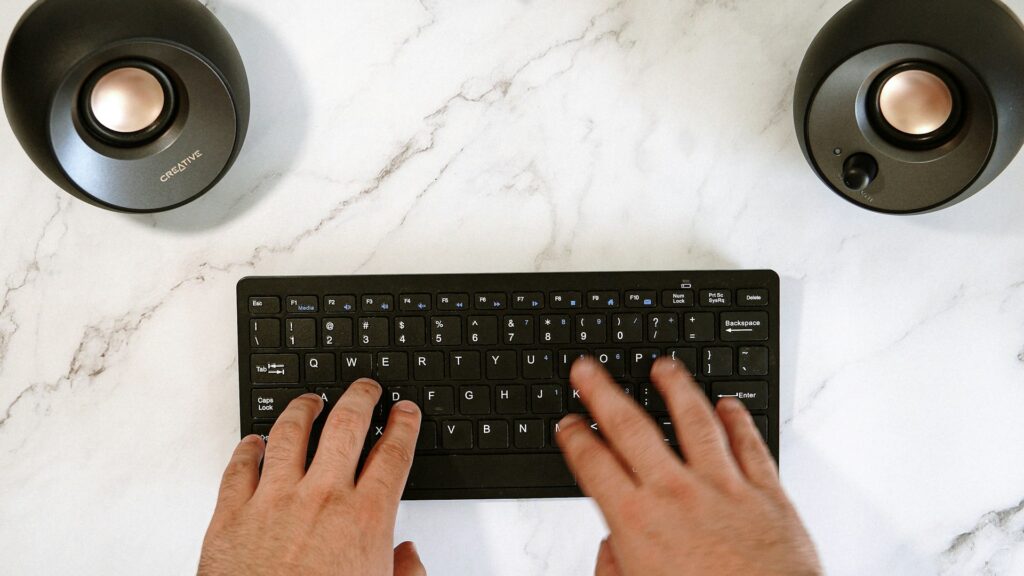
For gamers who value these benefits, the potential drawbacks of wireless devices, such as battery management and cost, are often outweighed by the advantages.
The Case for Wired Gaming Peripherals
Wired gaming peripherals continue to be favored by many gamers for several reasons:
- Reliable Performance: Wired devices provide a stable, low-latency connection that is free from interference, making them ideal for competitive gaming.
- Consistent Power Supply: Without the need for batteries, wired peripherals offer uninterrupted power, ensuring they are always ready for use.
- Cost-Effective: Wired devices are generally less expensive than their wireless counterparts, making them a budget-friendly option for gamers.
For those who prioritize performance and reliability, the benefits of wired peripherals often outweigh the drawbacks of cable management. Wired peripherals should be taken into account when building the place, so for construction legal issues it is always wise to consult a contracting expert witness.
Hybrid Solutions: The Best of Both Worlds?
In response to the ongoing debate, some manufacturers have developed hybrid gaming peripherals that offer both wired and wireless functionality. These devices can be used wirelessly for convenience and freedom of movement or connected via a cable for maximum performance and reliability. To provide stable electricity supply, consider solar panel replacement in Hillsborough.
Hybrid peripherals often come with a detachable cable, allowing gamers to switch between modes as needed. This versatility makes them an attractive option for gamers who want the flexibility of wireless devices without sacrificing the performance of wired connections.
Conclusion: Making the Right Choice for Your Gaming Needs
The choice between wireless and wired gaming peripherals ultimately comes down to personal preference and individual gaming needs. Both types of devices have their strengths and weaknesses, and what works best for one gamer might not be ideal for another. Similarly, different designer dresses in Dubai suit differently to different women.
When deciding between wireless and wired peripherals, consider the following factors:
- Gaming Style: Competitive gamers may prioritize the low latency and reliability of wired devices, while casual gamers might appreciate the convenience and flexibility of wireless options.
- Budget: Wired peripherals are generally more cost-effective, but wireless devices offer added convenience that some gamers find worth the extra expense.
- Setup Aesthetic: Wireless devices contribute to a cleaner, more organized gaming station, while wired devices require effective cable management to maintain a tidy appearance.
- Practical Considerations: Think about how often you play, the types of games you enjoy, and whether battery management or potential interference is a significant concern for you.
Ultimately, the ongoing debate between wireless and wired gaming peripherals reflects the diverse needs and preferences of the gaming community. By understanding the pros and cons of each type, you can make an informed decision that enhances your gaming experience and suits your personal style. Whether you choose wireless for its freedom and convenience or wired for its reliability and performance with the consultation with an emergency electrician in Plano, TX, the key is to find the peripherals that best support your gaming goals and preferences.